

• Home
  • Agric
  • Sci & Tech
  • Health
  • Environment
  • Hausa News
  • More
    • Business/Banking & Finance
    • Politics/Elections
    • Entertainments & Sports
    • International
    • Investigation
    • Law & Human Rights
    • Africa
    • ACCOUNTABILITY/CORRUPTION
    • Hassan Gimba
    • Column
    • Prof. Jibrin Ibrahim
    • Prof. M.K. Othman
    • Defense/Security
    • Education
    • Energy/Electricity
    • Entertainment/Arts & Sports
    • Society and Lifestyle
    • Food & Agriculture
    • Health & Healthy Living
    • International News
    • Interviews
    • Investigation/Fact-Check
    • Judiciary/Legislature/Law & Human Rights
    • Oil & Gas/Mineral Resources
    • Press Freedom/Media/PR/Journalism
    • General News
    • Presidency
  • About Us
    • Contact Us
    • Board Of Advisory
    • Privacy Policy
    • Ethics Policy
    • Teamwork And Collaboration Policy
    • Fact-Checking Policy
    • Advertising
  • Media OutReach Newswire
    • Wire News
  • The Stories
Facebook Twitter Instagram
Trending
  • Nigeria approves Africa’s first institute of sports management and development studies
  • NRS introduces unified tax ID system for all taxpayers in Nigeria
  • Togo scraps visa requirements for African passport holders
  • MPC meeting: Analysts expect CBN to hold rates amid inflation pressures, By Israel Ojoko
  • Five reasons CBN is likely to hold or raise the MPR this month – Research
  • Experts raise concerns over China’s zero-tariff policy on African minerals
  • WHO urges calm as Ebola outbreak declared PHEIC
  • Nigeria, UAE strengthen maritime security cooperation
Facebook Twitter Instagram YouTube
AsheNewsAsheNews
  • Home
  • Agric

    Herders abandon cattle after farm invasion in Abia

    May 18, 2026

    Association warns against consuming fungus-infested tomatoes

    May 17, 2026

    LIFE-ND trains farmers in basic bookkeeping

    May 15, 2026

    Lagos to launch food security hub in 2026

    May 15, 2026

    FG to use microchips for nationwide livestock identification

    May 15, 2026
  • Sci & Tech

    Kaduna state trains 4,000 students in vocational skills

    May 18, 2026

    Association commits to bridging tech gap, strengthening STEM partnerships

    May 14, 2026

    Lagos to establish cybersecurity operations centre

    May 13, 2026

    ECOWAS pushes information integrity

    May 13, 2026

    NSE urges engineers to join politics

    May 13, 2026
  • Health

    WHO urges calm as Ebola outbreak declared PHEIC

    May 19, 2026

    NYSC mandates NERD certificates for mobilisation

    May 18, 2026

    WHO warns of growing pandemic threats, preparedness gaps

    May 18, 2026

    Hypertension: The silent killer affecting millions across Nigeria

    May 18, 2026

    Nigeria’s HIV fight hindered by stigma, funding gaps

    May 18, 2026
  • Environment

    University of Abuja student wins 2026 Amnesty international intervarsity debate

    May 19, 2026

    NEMA holds flood preparedness campaign in Katsina

    May 19, 2026

    Niger Delta experts call for urgent environmental clean-up

    May 19, 2026

    NESREA seals Kano rice mill over environmental violations

    May 19, 2026

    Lagos targets 2,000MW embedded power supply

    May 18, 2026
  • Hausa News

    Otti plans 250-room 5-star hotel in Umuahia

    April 11, 2026

    Anti-quackery task force seals 4 fake hospitals in Rivers

    August 29, 2025

    [BIDIYO] Yadda na lashe gasa ta duniya a fannin Ingilishi – Rukayya ‘yar shekara 17

    August 6, 2025

    A Saka Baki, A Sasanta Saɓani Tsakanin ‘Yanjarida Da Liman, Daga Muhammad Sajo

    May 21, 2025

    Dan majalisa ya raba kayan miliyoyi a Funtuwa da Dandume

    March 18, 2025
  • More
    1. Business/Banking & Finance
    2. Politics/Elections
    3. Entertainments & Sports
    4. International
    5. Investigation
    6. Law & Human Rights
    7. Africa
    8. ACCOUNTABILITY/CORRUPTION
    9. Hassan Gimba
    10. Column
    11. Prof. Jibrin Ibrahim
    12. Prof. M.K. Othman
    13. Defense/Security
    14. Education
    15. Energy/Electricity
    16. Entertainment/Arts & Sports
    17. Society and Lifestyle
    18. Food & Agriculture
    19. Health & Healthy Living
    20. International News
    21. Interviews
    22. Investigation/Fact-Check
    23. Judiciary/Legislature/Law & Human Rights
    24. Oil & Gas/Mineral Resources
    25. Press Freedom/Media/PR/Journalism
    26. General News
    27. Presidency
    Featured
    Recent

    Nigeria approves Africa’s first institute of sports management and development studies

    May 19, 2026

    NRS introduces unified tax ID system for all taxpayers in Nigeria

    May 19, 2026

    Togo scraps visa requirements for African passport holders

    May 19, 2026
  • About Us
    1. Contact Us
    2. Board Of Advisory
    3. Privacy Policy
    4. Ethics Policy
    5. Teamwork And Collaboration Policy
    6. Fact-Checking Policy
    7. Advertising
    Featured
    Recent

    Nigeria approves Africa’s first institute of sports management and development studies

    May 19, 2026

    NRS introduces unified tax ID system for all taxpayers in Nigeria

    May 19, 2026

    Togo scraps visa requirements for African passport holders

    May 19, 2026
  • Media OutReach Newswire
    • Wire News
  • The Stories
AsheNewsAsheNews
Home»Viewpoint»Protests and Destruction Amidst Infrastructure Deficit in Nigeria
Viewpoint

Protests and Destruction Amidst Infrastructure Deficit in Nigeria

Abdallah el-KurebeBy Abdallah el-KurebeSeptember 27, 2024Updated:November 27, 2024No Comments4 Mins Read
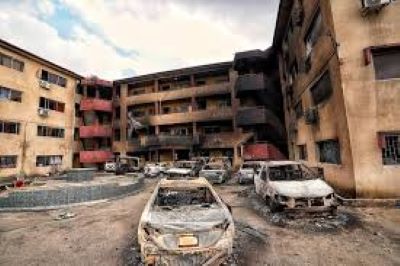
Infrastructure destruction
A typical infrastructure destruction
Share
Facebook Twitter LinkedIn Pinterest Email

Nigeria has a storied history of protests driven by economic hardship, social injustices, and governance failures. From pre-EndSARS protests to the recent August 1 hunger demonstrations, citizens have consistently taken to the streets to demand change. While these protests underscore the urgent need for reforms, the destruction of public and private properties during these events raises critical concerns. As Nigeria grapples with its infrastructure deficit, it is imperative to understand why protesters should avoid vandalism and why government officials must prioritize good governance to prevent violent agitations.

By Abdallah el-Kurebe

Pre-EndSARS Protests: Before the EndSARS movement, Nigeria witnessed several significant protests. One notable instance was the January 2012 fuel subsidy protests. When the government announced the removal of fuel subsidies, citizens erupted in demonstrations across the nation. The protests highlighted the populace’s frustration with economic policies perceived as detrimental to their well-being. While largely peaceful, these protests saw instances of violence and property damage, reflecting deep-seated discontent.

EndSARS Movement: The EndSARS protests in October 2020 were a watershed moment in Nigeria’s history. Initially focused on ending police brutality, the movement quickly expanded to address broader issues of corruption, unemployment, and poor governance. The peaceful demonstrations at locations like the Lekki Toll Gate in Lagos captured global attention. However, the tragic events of October 20, 2020, when security forces allegedly opened fire on unarmed protesters, led to widespread chaos and destruction, with significant damage to public and private properties.

ALSO READ Why Tinubu should fear Bangladesh-style unannounced protests – Falola

August 1 Hunger Protests: The recent August 1, 2024, hunger protests were fueled by economic hardship, including soaring food prices and the removal of fuel subsidies. Thousands of Nigerians took to the streets, demanding urgent governmental intervention. Unfortunately, these protests, too, devolved into violence in states such as Jigawa, Kano, Katsina, Borno, and Yobe, resulting in the imposition of 24-hour curfews. The destruction that accompanied these protests further strained the already fragile infrastructure and economy.

The Case for Peaceful Protests

While the frustration driving these protests is understandable, protesters must refrain from destroying public and private properties. Here are compelling reasons why:

  1. Infrastructure Damage Exacerbates Hardship: Nigeria’s infrastructure is already deficient. Damaging roads, bridges, and public buildings during protests only worsens the living conditions for everyone, including the protesters themselves. Rebuilding these structures diverts scarce resources away from other essential services.
  2. Undermines Public Support: Violent protests can alienate potential allies. When protests turn destructive, public sympathy often wanes, and the focus shifts from the underlying issues to the chaos and damage caused. Peaceful protests, on the other hand, are more likely to garner widespread support and attention.
  3. Legal and Safety Concerns: Vandalism and looting are illegal and can lead to arrests and legal repercussions. Moreover, violent protests pose significant safety risks to both protesters and bystanders. Maintaining peace ensures the safety and security of all involved.

Government’s responsibility is to provide good governance

Government officials play a crucial role in preventing protests from escalating into violence by addressing the root causes of public discontent. Here’s why good governance is essential:

  1. Addressing Economic Hardships: Policies that alleviate economic pressures, such as affordable fuel and food prices, can significantly reduce the likelihood of protests. Governments must prioritize economic stability and equitable growth to improve citizens’ quality of life.
  2. Ensuring Security and Justice: Effective law enforcement that respects human rights can prevent abuses that often spark protests. Transparent investigations and accountability for misconduct within security forces are vital.
  3. Investing in Infrastructure: Sustainable development and maintenance of infrastructure are essential. Reliable roads, electricity, and public services not only improve daily life but also demonstrate the government’s commitment to its citizens.
  4. Promoting Inclusive Dialogue: Governments must engage with citizens through regular consultations and dialogues. Listening to and addressing public grievances before they escalate into protests can foster a more harmonious society.

Lessons from Kenya

Kenya’s recent protests serve as a pertinent lesson for Nigeria. In Kenya, citizens have similarly taken to the streets to demand better governance and economic reforms. However, the Kenyan government’s proactive measures in addressing some of the protesters’ demands and engaging in dialogue have helped to deescalate tensions. This approach highlights the importance of government responsiveness in preventing protests from turning violent.

Finally, protests are a vital part of any democratic society, serving as a means for citizens to express their grievances and demand change. However, the destruction of public and private properties undermines the very objectives protesters seek to achieve. For their part, government officials must commit to good governance, addressing the root causes of public discontent and investing in sustainable development. By learning from past experiences and examples like Kenya, Nigeria can navigate its challenges more effectively, ensuring that protests remain a constructive force for change rather than a precursor to chaos.

#EndSARS Infrastructure destruction
Share. Facebook Twitter Pinterest LinkedIn WhatsApp Reddit Tumblr Email
Abdallah el-Kurebe
  • Website
  • Facebook
  • Twitter
  • LinkedIn

Related Posts

Tinubu’s baffling Northern exclusion strategy, by Farooq A. Kperogi

May 16, 2026

Xenophobia’s bitter irony: South Africa’s shameful attacks on fellow Africans, By Peter Wamboga-Mugirya

May 15, 2026

When democracy must defend itself: Karl Popper’s paradoxes, the Open Society and Nigeria’s democratic question

May 3, 2026

Leave A Reply Cancel Reply

Nigeria approves Africa’s first institute of sports management and development studies

May 19, 2026

NRS introduces unified tax ID system for all taxpayers in Nigeria

May 19, 2026

Togo scraps visa requirements for African passport holders

May 19, 2026

MPC meeting: Analysts expect CBN to hold rates amid inflation pressures, By Israel Ojoko

May 19, 2026
About Us
About Us

ASHENEWS (AsheNewsDaily.com), published by PenPlus Online Media Publishers, is an independent online newspaper. We report development news, especially on Agriculture, Science, Health and Environment as they affect the under-reported rural and urban poor.

We also conduct investigations, especially in the areas of ASHE, as well as other general interests, including corruption, human rights, illicit financial flows, and politics.

Contact Info:
  • 1st floor, Dogon Daji House, No. 5, Maiduguri Road, Sokoto
  • +234(0)7031140009
  • ashenewsdaily@gmail.com
Facebook Twitter Instagram Pinterest
© 2026 All Rights Reserved. ASHENEWS Daily Designed & Managed By DeedsTech

Type above and press Enter to search. Press Esc to cancel.