


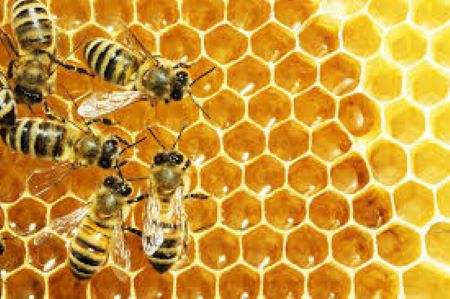
Australian scientists at the Harry Perkins Institute of Medical Research have discovered that honeybee venom, particularly its main component melittin, can kill 100% of aggressive breast cancer cells—including the difficult-to-treat triple-negative and HER2-enriched subtypes—within 60 minutes, while sparing healthy cells.
The study, published in Nature Precision Oncology in 2020, was led by Dr. Ciara Duffy, who tested venom from 312 honeybees and bumblebees collected in Western Australia, Ireland, and England. The venom from honeybees showed potent anti-cancer effects, whereas bumblebee venom, which lacks melittin, was ineffective.
Melittin works by inserting into cancer cell membranes, forming pores that disrupt membrane integrity and cause rapid cell death. Within 20 minutes, it also interferes with cancer signaling pathways essential for tumor growth and division. Laboratory observations revealed that melittin induces membrane blebbing and detachment, leading to cancer cell destruction within minutes.
In addition to its standalone effects, melittin enhanced the efficacy of chemotherapy drugs like docetaxel in mouse models, resulting in greater tumor suppression. The venom from Perth honeybees, noted for their health, produced consistent results across different regions.
While these findings are promising, the research remains at an early stage, conducted in cell cultures and animal models. Further studies are required to determine safe delivery methods, toxicity profiles, and clinical effectiveness in humans before honeybee venom or melittin can be considered viable breast cancer treatments.
