


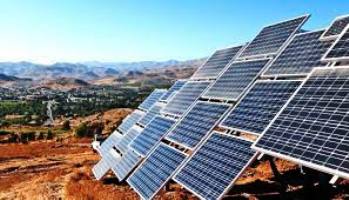
The Nigerian Institute of Medical Research (NIMR) has unveiled a 100 KVA solar power system to tackle persistent electricity challenges and support critical research and diagnostic operations at the institute.
The solar installation, donated by the Excellence Community Education Welfare Scheme (ECEWS), is expected to provide an uninterrupted power supply to key laboratories and research facilities.
Speaking at the unveiling, the Director-General of NIMR, Prof. John Obafunwa, said the intervention would significantly improve operational efficiency, reduce dependence on fossil-fuel-generated electricity, and promote environmental sustainability.
Obafunwa, represented by the Director of Administration, Mr. Bitrus Nelson, described the project as strategic and timely, noting that reliable electricity remains central to NIMR’s mandate of generating scientific evidence for national health policies and interventions.
“Today’s event represents much more than the commissioning of a 100 KVA facility. It signifies a shared commitment to sustainable development, resilient research systems, and stronger global partnerships in advancing public health outcomes,” he said.
He explained that the solar system now powers several critical units within the institute, including the COBAS laboratory for HIV viral load testing, molecular laboratories for PCR-based analysis, a biobank housing ultra-low temperature freezers, as well as seminar, training, and other support facilities.
The Director-General added that uninterrupted power supply is essential for laboratory research, cold chain systems, emergency preparedness, and data management, stressing that the new installation would help preserve valuable research specimens and ensure continuity of critical services.
The Managing Director of ECEWS, Dr. Andy Eyo, described NIMR as a vital institution in Nigeria’s public health and global health security architecture, adding that the project is part of broader efforts to strengthen healthcare infrastructure across the country.
“Without NIMR, we would be more challenged than we can imagine. NIMR has played a significant role in Nigeria’s public health history and in responding to emerging public health threats,” he said.
Eyo disclosed that the N300 million project comprises 312 solar panels of 705 watts each, two 209 KVA lithium battery units, and two 50 KVA inverters for AC power conversion.
He said the system was designed based on lessons from previous renewable energy deployments in the health sector and had undergone extensive testing with NIMR engineers.
“This is the most sophisticated solar facility we have deployed in the health sector. It is designed not only to provide stable power but also to reduce the institute’s energy costs, allowing more resources to be redirected to research and quality healthcare,” he added.
Representing the Minister of State for Health, Dr. Iziaq Salako, the NIMR Director-General commended ECEWS for its continued support to Nigeria’s health and research sector.
He noted that renewable energy investments in health institutions were critical for efficiency, cost-effectiveness, and service continuity, in line with the Federal Government’s commitment to sustainable development.
He further revealed that NIMR’s electricity bill shortly after he assumed office in August 2024 exceeded N48 million monthly and later rose to between N49 million and N52 million, despite modest government subventions.
He said management had introduced measures to curb consumption, including prepaid meters and stricter energy management practices.
The Director-General expressed appreciation to ECEWS and its partners, urging staff to continue using electricity prudently.
He added that the intervention would strengthen NIMR’s capacity to sustain critical research, improve diagnostic services, and contribute to Nigeria’s broader climate and renewable energy goals.
