


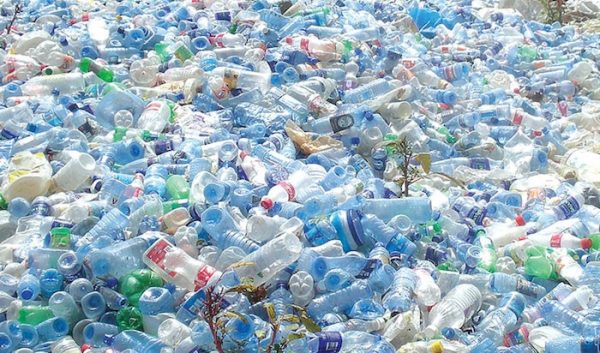
The Federal Government on Tuesday announced it will begin enforcing the Producer Pays Principle (PPP) in the beverages and packaging sector to promote a circular economy and safeguard the environment.
Prof. Innocent Barikor, Director-General of the National Environmental Standards and Regulations Enforcement Agency (NESREA), shared the update at a stakeholders’ workshop in Lagos State.
The event, themed “Stakeholders Engagement and Sensitisation Workshop on Extended Producer Responsibility (EPR) Programme for the Packaging Sector”, brought together industry players, regulators, and policymakers to discuss the transition from voluntary to mandatory compliance.
EPR encourages a circular economy by holding producers accountable for waste from their products throughout their lifecycle. It also promotes recycling, creating value chains while reducing environmental pollution.
Barikor described the shift from voluntary compliance to mandatory enforcement, set to take effect before the end of 2026, as a pivotal moment for Nigeria’s sustainability efforts.
“Waste management, particularly plastic waste, has become a pressing national priority requiring collective action,” he said.
“Under NESREA’s mandate, we aim to protect the Nigerian environment while contributing to global sustainable development. Central to this strategy is the Polluter Pays Principle, a key tool in achieving the Sustainable Development Goals.
“The EPR programme ensures that producers, not just the government or consumers, bear responsibility for a product’s environmental impact. From 2025 to 2026, we will move from a voluntary framework to mandatory enforcement.”
Producers, importers, and brand owners will be legally responsible for the full lifecycle of their products—from design and production to disposal, collection, and recycling. Post-consumer packaging management is now a regulatory requirement, not merely a corporate social responsibility.
“Today, we formally sensitize stakeholders on the National Guidelines for implementing the EPR Programme in line with the circular economy for plastic packaging. These guidelines provide a roadmap for compliance under the emerging National Environmental (Plastic Waste Control) Regulations, 2026,” Barikor added.
He urged producers to register with NESREA for seamless regulatory tracking. The guidelines specify annual collection, recovery, and recycling targets and define the roles of producers and Producer Responsibility Organisations (PROs).
Barikor praised the collaboration between the Food Beverage Recycling Alliance (FBRA), recyclers, and other sector players, highlighting reporting and standardization protocols.
He stressed that the EPR programme is not a tax but an opportunity for innovation. “By embracing circular economy initiatives, Nigerian industries can lower operational costs, create green jobs in collection and recycling, and enhance their global brand reputation.”
He expressed appreciation to development partners, especially the Government and people of Japan and the United Nations Environment Programme (UNEP), for supporting the agency’s efforts to accelerate a circular plastic economy in Africa.
“To our private sector partners, we remain committed to supporting your transition while enforcing regulations to protect ecosystems. FBRA and other PROs are urged to ensure that all subscribers are well-informed and compliant with the EPR programme,” he concluded.
