


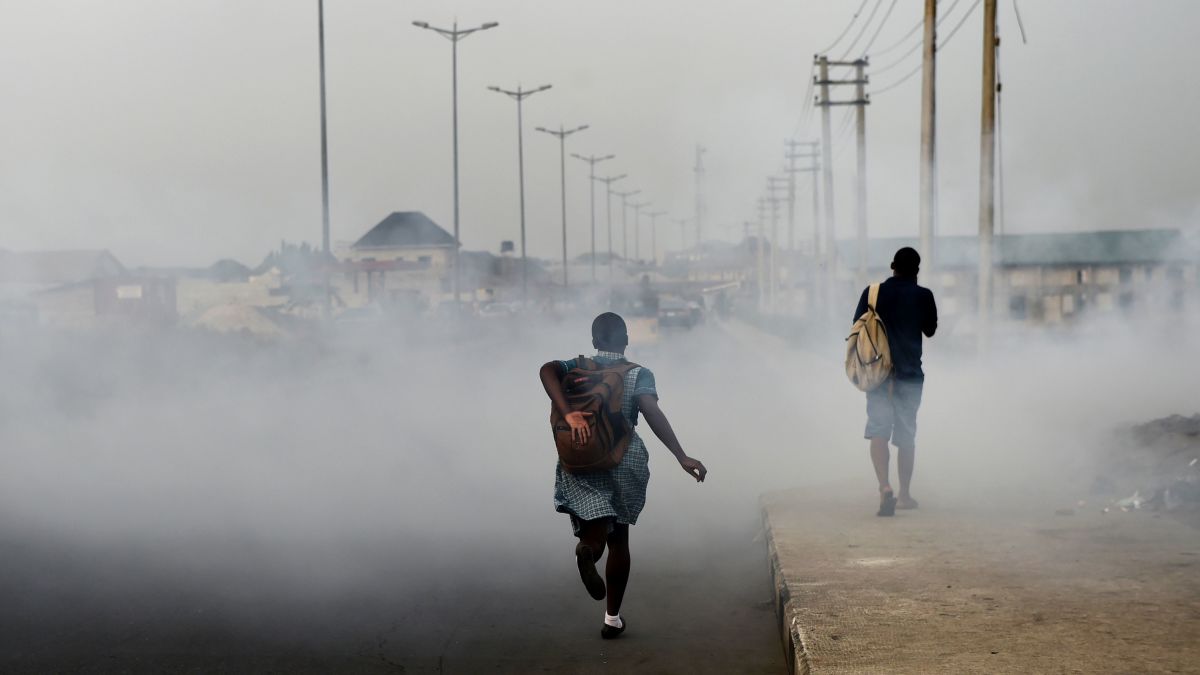
Some environmental experts in the Niger Delta have called for urgent interventions to tackle persistent environmental pollution in the region.
The experts spoke at the opening of the 2026 Press Week of the Correspondents’ Chapel, Nigeria Union of Journalists (NUJ), in Port Harcourt.
They noted that the persistent pollution had led to increased crises and destruction of means of livelihood.
The 2026 Correspondents’ Chapel Press Week has the theme: “The Imperatives of Comprehensive Clean-Up of the Niger Delta Environment: Role of the Media.”
Speaking at the event, the Traditional Ruler of Upata Kingdom, Eze Felix Otuwarikpo, called for a review of the Petroleum Industry Act (PIA).
Otuwarikpo stated that the law places responsibility for oil theft and pipeline vandalism on host communities. He said although Section 437 of the PIA provides for the use of host communities’ funds to repair oil assets damaged through sabotage, oil companies continue to rely on security agencies to protect pipelines.
“They do not involve host communities in safeguarding the pipelines and other oil facilities. Host communities should be given the responsibility to safeguard the oil pipelines. This will produce better results,” he said.
The traditional ruler blamed most oil pipeline leaks in the region on sabotage and urged the Federal Government to better protect the interests of host communities in the Niger Delta.
The National Vice President of NUJ, Zone F, Mr. Opaka Dokubo, stated that mangroves which once sustained livelihoods in the Niger Delta had been converted into tank farms.
Dokubo said that before the advent of oil exploration, people in the region depended on mangrove resources to put food on their tables. He urged oil companies, as well as federal and state governments, to give priority attention to the health and welfare of residents in the region.
“It is from the Niger Delta region that oil and natural gas are extracted to grow the nation’s economy. Our lives should be protected,” he said.
In her remarks, environmental activist Chief Constance Meju urged journalists to humanise environmental stories. She noted that the environmental crisis in the Niger Delta is underreported.
“Crime is increasing because the region has lost its sources of livelihood. Relevant authorities are urged to clean up the Niger Delta from pollution and alleviate the suffering of the people,” she said.
Earlier, the Chairman of the Correspondents’ Chapel, Mr. Amaechi Okonkwo, described the event as a call to action on the continued degradation of the Niger Delta environment.
Okonkwo stated that despite being the economic backbone of Nigeria for decades, the Niger Delta remains one of the most environmentally devastated regions in the world.
“The land, rivers, creeks and forests have suffered extensive pollution arising from oil exploration and exploitation activities. Communities that once depended on fishing and farming for survival now struggle daily with contaminated water, destroyed farmlands, loss of biodiversity and serious health challenges,” he said.
Okonkwo added that the media should continue to educate the public on environmental sustainability and support initiatives aimed at restoring the Niger Delta ecosystem.
The press week was supported by Renaissance Africa Energy Company, Nigeria LNG, and the Kebetkache Women Development Centre.
