


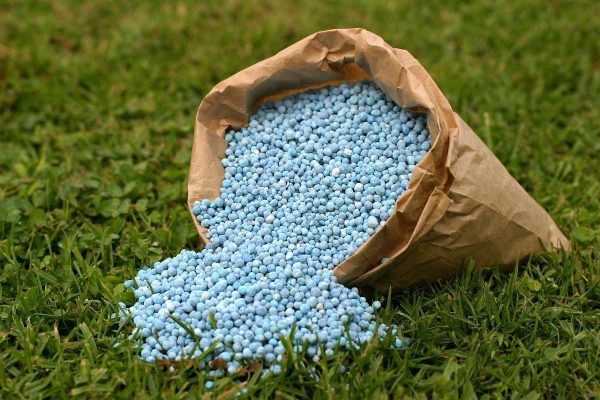
Nigeria’s fertilizer exports surged to N1.37 trillion in the first quarter of 2026, positioning the commodity group as one of the country’s fastest-growing foreign exchange sources amid a broader expansion in non-oil trade.
The latest trade data for Q1 2026 shows that fertilizer shipments have climbed sharply on the back of rising global demand and expanded production capacity, placing the sector among the top contributors to Nigeria’s external earnings alongside traditional export pillars such as crude oil and agricultural commodities.
The performance forms part of a wider export boom that lifted Nigeria’s total merchandise exports above N21 trillion during the period, with non-oil goods accounting for a significant share of inflows as the economy continues to diversify its FX base.
Fertilizer has emerged as a standout non-oil export category within the chemical and allied products segment, reflecting increased output from domestic production facilities and stronger demand from international markets in Africa, Asia, and Latin America.
Analysts note that the rise is also linked to structural shifts in global supply chains, where disruptions and price volatility in key producing regions have created openings for new suppliers. Nigeria’s expanding industrial capacity in fertilizer production has enabled it to tap into this gap, boosting export volumes and earnings.
The latest figures also underscore a broader trend of rising non-oil exports, which reached N3.19 trillion in Q1 2026, even as crude oil remains the dominant FX earner overall.
Economists say the growing contribution of fertilizer exports signals progress in Nigeria’s push to reduce dependence on crude oil, though they caution that sustaining momentum will depend on infrastructure reliability, energy supply stability, and competitiveness in global markets.
With fertilizer now ranking among the most dynamic export earners, policymakers are expected to further prioritize value-added manufacturing and agro-industrial expansion as key drivers of foreign exchange stability in the coming quarters.
