


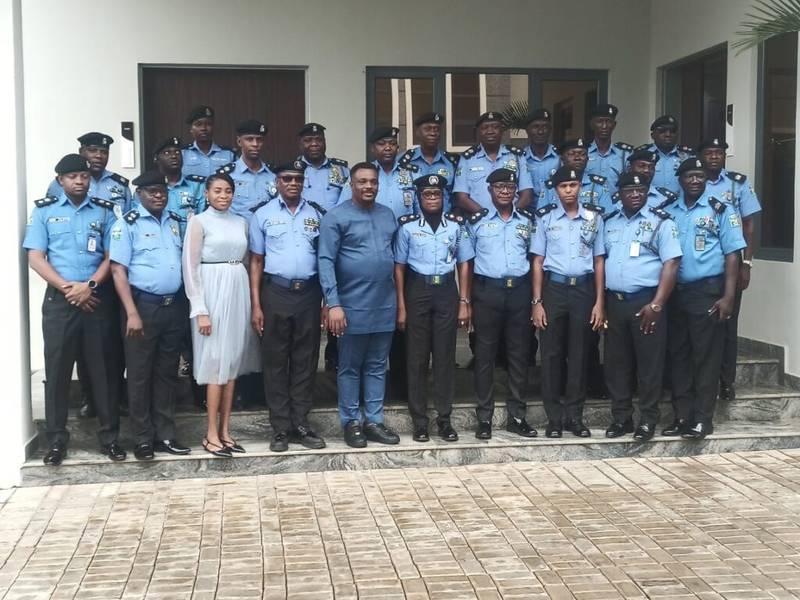
An NGO, CLEEN Foundation, supported by the Ford Foundation, has trained Divisional Police Officers (DPOs) in Kaduna on strategies to prevent Gender-Based Violence (GBV).
The two-day capacity-building workshop focused on strengthening police prevention of GBV and improving protection for vulnerable persons through better policing practices.
Speaking at the event on Wednesday in Kaduna, the foundation’s Executive Director, Mr. Peter Maduoma, said GBV remains one of Nigeria’s most widespread yet under-reported human rights challenges.
Maduoma, represented by the foundation’s Programme Director, Dr. Salaudeen Hashim, stated, “Findings from the Nigeria Demographic and Health Survey indicate that about one in three women has experienced physical, sexual, or emotional violence.”
He attributed the low reporting rate to fear of reprisals, social stigma, and the lack of survivor-centered response mechanisms. Maduoma emphasized that structural barriers conceal the true extent of the crisis across communities.
He explained, “DPOs occupy a strategic position as operational heads and primary links between police formations and communities. Survivors’ chances of justice depend on attitudes, protocols, and coordination at the divisional level.”
Maduoma noted that the workshop aimed to close existing capacity gaps and strengthen institutional responses to GBV. Participants would deepen their understanding of the Violence Against Persons Prohibition Act, the Police Act 2020, and existing gender response structures.
“The training will also equip officers with trauma-informed and survivor-centered investigative skills. Participants will develop divisional standard operating procedures for case intake, documentation, and referral pathways,” he added.
He urged officers to reject harmful beliefs that treat GBV as a private domestic issue and stressed that culture and religion should never justify human rights violations. Police can lead change by effectively using community policing structures, Force Order 291, and specialized human rights and gender desks.
Maduoma explained that the slogan “Prevention as a Response to GBV” emphasizes proactive policing, focusing on preventing violence rather than responding after harm occurs. He said, “A GBV case that is prevented does not become a murder investigation, child protection emergency, or community breakdown.”
Participants will also map GBV risks within their jurisdictions, examine community attitudes that enable abuse, review legal frameworks, and develop practical prevention plans for their divisions.
He maintained that preventing GBV is a core policing responsibility, citing Sections 273 and 277 of the Police Act 2020, which mandate crime prevention and commitments against sexual and gender-based violence.
The foundation’s boss reminded officers that many victims are afraid to report abuse because “they fear nothing will change.” He urged officers to act professionally, legally, and morally to inspire trust and protect vulnerable persons.
He called on participants to share field experiences and practical solutions. Maduoma appreciated police leadership’s support and encouraged an open-minded approach to the training. He emphasized collective efforts to make police divisions safe, fair, and just for all citizens and survivors.
He also thanked the Ford Foundation for funding the program, calling both institutions key partners in police reform and community safety.
Speaking with journalists, ACP AbdulKadir Yahaya described GBV as a critical global issue. He stressed that proper training of first responders is essential and praised CLEEN Foundation and the Ford Foundation for supporting police efforts.
Yahaya added, “The police cannot tackle GBV alone. We need support from government agencies, communities, organizations, and individuals. Every officer has a duty to protect the rights of women, children, and vulnerable persons.”
He disclosed that GBV cases are among the highest complaints received, with increasing incidents involving children and vulnerable groups, including elderly perpetrators like fathers and grandfathers.
He emphasized that securing justice requires medical examinations, psychosocial support, investigations, and prosecution. He identified inadequate support for these processes as a major challenge.
Yahaya urged DPOs to seek assistance from development partners and NGOs, stressing that effective coordination enhances investigations and prosecutions. Successful prosecution deters future abuse, while failure allows the cycle of violence to continue.
He urged citizens not to see GBV as a distant problem, noting that anyone’s child, relative, or neighbor could be a victim. He called for collective action through awareness, collaboration, diligent investigation, and prosecution to build safer communities.
