

• Home
  • Agric
  • Sci & Tech
  • Health
  • Environment
  • Hausa News
  • More
    • Business/Banking & Finance
    • POLITICS
    • Entertainments & Sports
    • International
    • Investigation
    • Law & Human Rights
    • Africa
    • ACCOUNTABILITY/CORRUPTION
    • Hassan Gimba
    • Column
    • Prof. Jibrin Ibrahim
    • Prof. M.K. Othman
    • Defense/Security
    • Education
    • Energy/Electricity
    • Entertainment/Arts & Sports
    • Society and Lifestyle
    • Food & Agriculture
    • Health & Healthy Living
    • International News
    • Interviews
    • Investigation/Fact-Check
    • LAW & HUMAN RIGHTS
    • Oil & Gas/Mineral Resources
    • PRESS FREEDOM/JOURNALISM/PR
    • General News
    • Presidency
  • About Us
    • Contact Us
    • Board Of Advisory
    • Privacy Policy
    • Ethics Policy
    • Teamwork And Collaboration Policy
    • Fact-Checking Policy
    • Advertising
  • Media OutReach Newswire
    • Wire News
  • The Stories
Facebook Twitter Instagram
Trending
  • Uber ends ride-hailing in Nigeria, Uganda
  • PAPU urges African psychologists to develop local solutions
  • Olubadan decries poor earnings for SW farmers
  • Lagos SSG urges investment to unlock Africa’s tourism
  • FG, IFAD explore AI to bridge farm advisory gap
  • Nurse urges safety steps to prevent spinal injuries
  • NMA warns against harassing healthcare workers
  • Private-sector credit rises to N83.43trn as businesses increase borrowing
Facebook Twitter Instagram YouTube
AsheNewsAsheNews
  • Home
  • Agric

    Olubadan decries poor earnings for SW farmers

    September 2, 2026

    FG, IFAD explore AI to bridge farm advisory gap

    September 2, 2026

    ACCI: AGROMEQA expo 2026 to boost mechanisation, tech transfer, agro-exports

    September 1, 2026

    HJRBDA empowers 50,000 farmers in Northern states

    September 1, 2026

    Shettima seeks tighter oversight of $500m agricultural programme, other food interventions

    September 1, 2026
  • Sci & Tech

    Uber ends ride-hailing in Nigeria, Uganda

    September 2, 2026

    African countries where cars are made [FULL LIST]

    September 2, 2026

    FG begins audience measurement rollout in Lagos

    September 1, 2026

    Turn waste into wealth, expert urges Nigerians

    September 1, 2026

    Abia hits 77% telecom coverage with MTN

    September 1, 2026
  • Health

    PAPU urges African psychologists to develop local solutions

    September 2, 2026

    Nurse urges safety steps to prevent spinal injuries

    September 2, 2026

    NMA warns against harassing healthcare workers

    September 2, 2026

    Expert links rising youth diabetes to unhealthy lifestyles

    September 2, 2026

    Alimosho General Hospital launches ₦250m fundraising for medical equipment

    September 2, 2026
  • Environment

    Lagos SSG urges investment to unlock Africa’s tourism

    September 2, 2026

    Ogun issues fresh flood alert

    September 1, 2026

    Building collapses in Nnewi, Anambra – No lives lost

    September 1, 2026

    FG: rail, port projects to cut accidents, create jobs

    August 31, 2026

    Agencies launch rescue after Kaduna flash flood

    August 31, 2026
  • Hausa News

    UNA signs MoU to launch air Bissau in Guinea-Bissau

    June 15, 2026

    Otti plans 250-room 5-star hotel in Umuahia

    April 11, 2026

    Anti-quackery task force seals 4 fake hospitals in Rivers

    August 29, 2025

    [BIDIYO] Yadda na lashe gasa ta duniya a fannin Ingilishi – Rukayya ‘yar shekara 17

    August 6, 2025

    A Saka Baki, A Sasanta Saɓani Tsakanin ‘Yanjarida Da Liman, Daga Muhammad Sajo

    May 21, 2025
  • More
    1. Business/Banking & Finance
    2. POLITICS
    3. Entertainments & Sports
    4. International
    5. Investigation
    6. Law & Human Rights
    7. Africa
    8. ACCOUNTABILITY/CORRUPTION
    9. Hassan Gimba
    10. Column
    11. Prof. Jibrin Ibrahim
    12. Prof. M.K. Othman
    13. Defense/Security
    14. Education
    15. Energy/Electricity
    16. Entertainment/Arts & Sports
    17. Society and Lifestyle
    18. Food & Agriculture
    19. Health & Healthy Living
    20. International News
    21. Interviews
    22. Investigation/Fact-Check
    23. LAW & HUMAN RIGHTS
    24. Oil & Gas/Mineral Resources
    25. PRESS FREEDOM/JOURNALISM/PR
    26. General News
    27. Presidency
    Featured
    Recent

    Uber ends ride-hailing in Nigeria, Uganda

    September 2, 2026

    PAPU urges African psychologists to develop local solutions

    September 2, 2026

    Olubadan decries poor earnings for SW farmers

    September 2, 2026
  • About Us
    1. Contact Us
    2. Board Of Advisory
    3. Privacy Policy
    4. Ethics Policy
    5. Teamwork And Collaboration Policy
    6. Fact-Checking Policy
    7. Advertising
    Featured
    Recent

    Uber ends ride-hailing in Nigeria, Uganda

    September 2, 2026

    PAPU urges African psychologists to develop local solutions

    September 2, 2026

    Olubadan decries poor earnings for SW farmers

    September 2, 2026
  • Media OutReach Newswire
    • Wire News
  • The Stories
AsheNewsAsheNews
Home»ECONOMY»Nigerian overnight financing rate: What it means for banks, markets and SMEs, By Kalu Aja
ECONOMY

Nigerian overnight financing rate: What it means for banks, markets and SMEs, By Kalu Aja

NewsdeskBy NewsdeskApril 24, 2026Updated:April 24, 2026No Comments4 Mins Read
CBN
Share
Facebook Twitter LinkedIn Pinterest Email

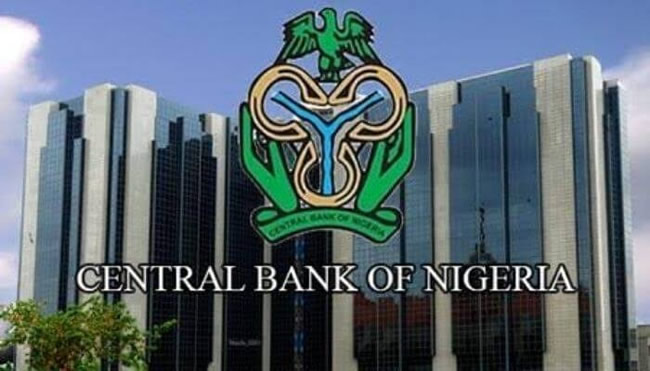
In April 2026, the Central Bank of Nigeria (CBN) collaborated with the Financial Markets Dealers Association (FMDA) to introduce the Nigerian Overnight Financing Rate (NOFR), a new transaction-based benchmark for the money market.

NOFR replaces the old Nigerian Inter-Bank Offered Rate (NIBOR), which many criticised for lacking transparency because it relied on quote-based submissions.

Unlike NIBOR, which required banks to submit estimated rates, NOFR calculates based on actual overnight transactions between banks and other financial institutions. This approach makes it more reliable, harder to manipulate, and better at reflecting the true cost of short-term borrowing in Nigeria.

Aligning the market with global best practices 

The move aligns Nigeria’s money market with global best practices. It mirrors the Secured Overnight Financing Rate (SOFR) in the United States and the Sterling Overnight Index Average (SONIA) in the United Kingdom, benchmarks that major economies adopted years ago to restore trust after scandals involving Libor rate-fixing.

ALSO READ CBN unveils NOFR as new benchmark for money market, releases comprehensive FAQs

For years, Nigeria’s money-market benchmark carried an “optics” problem. NIBOR relied on banks’ submissions rather than actual deals, making it vulnerable to manipulation and failing to reflect market conditions.

This situation created uncertainty for lenders and borrowers and prevented the CBN from effectively transmitting monetary policy.

NOFR, with its transparent, transaction-based rate, solves this issue. It gives the market, regulators, and businesses a clearer, more honest picture of overnight funding costs. This approach should lead to better pricing of financial products, improved risk management, and stronger monetary policy transmission.

What it means for business owners 

Let’s bring this down to the level of a real business owner. If you run a small or medium enterprise and have a N25 million overdraft facility with your commercial bank, NOFR will change how your interest is set.

Your rate, previously tied to NIBOR plus a spread, will move to NOFR, which means rates are based on actual market transactions rather than estimates.

First, your overdraft pricing will become more transparent. Because NOFR is based on real transactions, your bank can offer rates that more accurately reflect market conditions.

This reduces uncertainty and may mean you’re charged less risk premium, making your borrowing costs clearer. As a result, this lower-risk pricing can help reduce borrowing costs for SMEs. If NOFR remains more stable and lower than NIBOR, your overdraft’s interest rate could decrease, saving you money each year—even small rate reductions can translate to thousands of Naira saved.

Better predictability 

Secondly, you, as an SME borrower, will also enjoy better predictability. With NOFR based on real transactions, there is less rate volatility, making cash flow planning easier. More transparent rates can improve access to credit, as banks are more likely to lend when pricing is clear, and risk premiums are lower.

However, the benefit will not be immediate. Banks will need time to migrate their systems and loan pricing models to NOFR fully. In the short term, some SMEs may still see their existing facilities priced under the old regime until renewal or refinancing.

For SMEs, efficiency improves as NOFR reduces information gaps between banks and borrowers. This new benchmark lowers funding costs, passes savings to clients, and strengthens the CBN’s monetary policy. As a business owner, you can trust that your rates are fair and market-driven.

Implementation will provide the real test. If Nigeria implements NOFR properly, short-term borrowing becomes more transparent, efficient, and affordable for the real sector. Banks must fully adopt it, and the CBN must ensure it remains robust and free from manipulation. For now, Nigeria aligns well with global standards.

This reform marks a crucial turning point. By replacing an outdated benchmark, NOFR lays the foundation for a fairer financial system in Nigeria, promising more growth, transparency, and trust for businesses and banks alike. The CBN and FMDA’s commitment to delivering this reform deserves recognition, as it will help unlock sustainable progress for Nigeria’s economy.

Kalu is a Certified Financial Education Instructor and astute professional with extensive experience in capital market operations, Treasury, investment, asset management, and occupational pension services.

CBN NOFR
Share. Facebook Twitter Pinterest LinkedIn WhatsApp Reddit Tumblr Email
Newsdesk
  • Website

Related Posts

Private-sector credit rises to N83.43trn as businesses increase borrowing

September 2, 2026

OPay asks DSS, Police to probe viral shutdown rumour

September 2, 2026

Nigeria’s money supply climbs to N138.78trn despite CBN tightening

September 1, 2026

Leave A Reply Cancel Reply

Uber ends ride-hailing in Nigeria, Uganda

September 2, 2026

PAPU urges African psychologists to develop local solutions

September 2, 2026

Olubadan decries poor earnings for SW farmers

September 2, 2026

Lagos SSG urges investment to unlock Africa’s tourism

September 2, 2026
About Us
About Us

ASHENEWS (AsheNewsDaily.com), published by PenPlus Online Media Publishers, is an independent online newspaper. We report development news, especially on Agriculture, Science, Health and Environment as they affect the under-reported rural and urban poor.

We also conduct investigations, especially in the areas of ASHE, as well as other general interests, including corruption, human rights, illicit financial flows, and politics.

Contact Info:
  • 1st floor, Dogon Daji House, No. 5, Maiduguri Road, Sokoto
  • +234(0)7031140009
  • ashenewsdaily@gmail.com
Facebook Twitter Instagram Pinterest
© 2026 All Rights Reserved. ASHENEWS Daily Designed & Managed By DeedsTech

Type above and press Enter to search. Press Esc to cancel.