

• Home
  • Agric
  • Sci & Tech
  • Health
  • Environment
  • Hausa News
  • More
    • Business/Banking & Finance
    • Politics/Elections
    • Entertainments & Sports
    • International
    • Investigation
    • Law & Human Rights
    • Africa
    • ACCOUNTABILITY/CORRUPTION
    • Hassan Gimba
    • Column
    • Prof. Jibrin Ibrahim
    • Prof. M.K. Othman
    • Defense/Security
    • Education
    • Energy/Electricity
    • Entertainment/Arts & Sports
    • Society and Lifestyle
    • Food & Agriculture
    • Health & Healthy Living
    • International News
    • Interviews
    • Investigation/Fact-Check
    • Judiciary/Legislature/Law & Human Rights
    • Oil & Gas/Mineral Resources
    • Press Freedom/Media/PR/Journalism
    • General News
    • Presidency
  • About Us
    • Contact Us
    • Board Of Advisory
    • Privacy Policy
    • Ethics Policy
    • Teamwork And Collaboration Policy
    • Fact-Checking Policy
    • Advertising
  • Media OutReach Newswire
    • Wire News
  • The Stories
Facebook Twitter Instagram
Trending
  • FG pledges support for IOM climate migration investment initiative
  • Lagos onboards 19 accelerators for N10bn LASMECO micro enterprise scheme
  • Lagos pushes mandatory health insurance, PPPs to close N100bn healthcare gap
  • The Muslim 500 ranks Sultan Abubakar 17th World’s Most Influential for 2026
  • Ododo charges NYSC members on discipline, unity
  • Only 30% of Nigerian farmers use mechanisation – AFAN
  • Trump says Iran ceasefire on life support
  • WHO: Countries must not strand people at sea
Facebook Twitter Instagram YouTube
AsheNewsAsheNews
  • Home
  • Agric

    Only 30% of Nigerian farmers use mechanisation – AFAN

    May 12, 2026

    Ebonyi lecturer calls for massive palm tree plantations

    May 12, 2026

    How strategic partnerships will sustain blue economy in West Africa, by Abdallah el-Kurebe

    May 11, 2026

    Association trains maize, soybean farmers on financial, digital literacy

    May 10, 2026

    Uganda’s new anti-tick vaccine a revolution for African agriculture — Scientists

    May 9, 2026
  • Sci & Tech

    Moniepoint deepens investment in women’s tech talent development

    May 11, 2026

    Bauchi intensifies science school enrolment to boost health workforce

    May 11, 2026

    Association calls for stronger penalties to protect telecom infrastructure

    May 8, 2026

    Hemingway’s Safaris Africa, LCCI host AI robotics bootcamp

    May 8, 2026

    Nigeria ranks among top AI-adopting nations

    May 7, 2026
  • Health

    Lagos pushes mandatory health insurance, PPPs to close N100bn healthcare gap

    May 12, 2026

    WHO: Countries must not strand people at sea

    May 12, 2026

    WHO releases names of 6 countries with 8 cases of hantavirus [FULL LIST]

    May 12, 2026

    Malaria prevalence in Lagos drops to 2% from 15%

    May 12, 2026

    Japa syndrome worsens Nigeria’s healthcare crisis

    May 11, 2026
  • Environment

    FG pledges support for IOM climate migration investment initiative

    May 12, 2026

    NEMA receives 170 stranded Nigerians repatriated from Libya

    May 11, 2026

    NIESV Lagos urges infrastructure upgrade to curb rising rents

    May 11, 2026

    Oborevwori pledges more jobs through infrastructure projects

    May 11, 2026

    EU-backed WASOP launches new blue economy initiatives at Africa forward summit

    May 11, 2026
  • Hausa News

    Otti plans 250-room 5-star hotel in Umuahia

    April 11, 2026

    Anti-quackery task force seals 4 fake hospitals in Rivers

    August 29, 2025

    [BIDIYO] Yadda na lashe gasa ta duniya a fannin Ingilishi – Rukayya ‘yar shekara 17

    August 6, 2025

    A Saka Baki, A Sasanta Saɓani Tsakanin ‘Yanjarida Da Liman, Daga Muhammad Sajo

    May 21, 2025

    Dan majalisa ya raba kayan miliyoyi a Funtuwa da Dandume

    March 18, 2025
  • More
    1. Business/Banking & Finance
    2. Politics/Elections
    3. Entertainments & Sports
    4. International
    5. Investigation
    6. Law & Human Rights
    7. Africa
    8. ACCOUNTABILITY/CORRUPTION
    9. Hassan Gimba
    10. Column
    11. Prof. Jibrin Ibrahim
    12. Prof. M.K. Othman
    13. Defense/Security
    14. Education
    15. Energy/Electricity
    16. Entertainment/Arts & Sports
    17. Society and Lifestyle
    18. Food & Agriculture
    19. Health & Healthy Living
    20. International News
    21. Interviews
    22. Investigation/Fact-Check
    23. Judiciary/Legislature/Law & Human Rights
    24. Oil & Gas/Mineral Resources
    25. Press Freedom/Media/PR/Journalism
    26. General News
    27. Presidency
    Featured
    Recent

    FG pledges support for IOM climate migration investment initiative

    May 12, 2026

    Lagos onboards 19 accelerators for N10bn LASMECO micro enterprise scheme

    May 12, 2026

    Lagos pushes mandatory health insurance, PPPs to close N100bn healthcare gap

    May 12, 2026
  • About Us
    1. Contact Us
    2. Board Of Advisory
    3. Privacy Policy
    4. Ethics Policy
    5. Teamwork And Collaboration Policy
    6. Fact-Checking Policy
    7. Advertising
    Featured
    Recent

    FG pledges support for IOM climate migration investment initiative

    May 12, 2026

    Lagos onboards 19 accelerators for N10bn LASMECO micro enterprise scheme

    May 12, 2026

    Lagos pushes mandatory health insurance, PPPs to close N100bn healthcare gap

    May 12, 2026
  • Media OutReach Newswire
    • Wire News
  • The Stories
AsheNewsAsheNews
Home»Africa»The Shifting Sands of Franco-African Relations, By Abdul-Azeez Suleiman
Africa

The Shifting Sands of Franco-African Relations, By Abdul-Azeez Suleiman

EditorBy EditorJanuary 4, 2025Updated:January 4, 2025No Comments4 Mins Read
Share
Facebook Twitter LinkedIn Pinterest Email

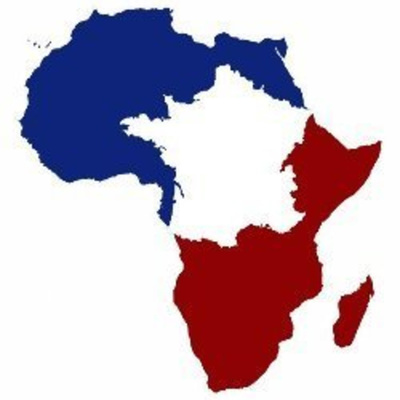
France’s historical military presence in Africa, deeply rooted in its colonial past, is experiencing a significant decline. This shift, driven by a confluence of factors including rising anti-French sentiment, the emergence of new global powers, and the destabilizing impact of recent military coups, is reshaping the continent’s security environment and the future of Franco-African relations. The ongoing debate surrounding the potential accommodation of French troops in Nigeria’s northern region offers a pertinent case study through which to examine these evolving dynamics.

One of the most crucial factors fueling this decline is the escalating anti-French sentiment across Africa. This isn’t a recent phenomenon but rather a culmination of decades of simmering resentment stemming from the legacy of colonialism. The perception of continued French interference in African internal affairs, often supporting regimes perceived as serving French interests, has greatly exacerbated this sentiment. Accusations of neo-colonialism, particularly concerning economic exploitation and the continued influence of the CFA franc, further fuel public anger. This manifests in widespread protests demanding the withdrawal of French troops and a growing preference for partnerships with alternative global actors. The amplification of anti-French narratives through social media has dramatically strengthened this opposition, creating a powerful force against French influence.

Furthermore, the rise of new regional and global powers is significantly impacting France’s influence. Previously, France held a dominant position, leveraging a network of bilateral defense agreements and military bases. However, this network is increasingly fragile. Countries like Chad, once a crucial ally, have begun to assert their independence, terminating their defense cooperation pact with France. This illustrates a broader trend of African nations seeking to diversify their security partnerships, adopting a more multipolar foreign policy approach. This is evident in the growth of relationships with countries like Russia, China, and Turkey, which offer alternative support and investment without the historical baggage of colonialism. The decision by Senegal to end all foreign military presences by 2025 underscores this growing desire for self-reliance.

The recent military coups in Mali, Burkina Faso, and Niger have dramatically accelerated the decline. These coups, fueled by a complex interplay of internal political issues and anti-French sentiment, resulted in the expulsion of French forces. France’s response, involving troop withdrawals, highlighted the limitations of its military strategy in the face of these changing realities. The inability of France to effectively support its allies and maintain stability in these strategically important countries has raised serious questions about its long-term capacity for intervention in the region. The swiftness of these coups also demonstrated the erosion of French influence over the political stability of its former colonies.

The practical consequence of these factors is a noticeable reduction in France’s military footprint across the continent. The number of deployed French troops has significantly diminished, with a smaller presence concentrated in a few key locations. While a minimal presence remains in certain areas, the overall military influence is undeniably diminished. This reduction reflects a strategic shift by France, acknowledging the changing dynamics and the limitations of its previous approach. The era of extensive French military intervention in Africa, as exemplified by operations like Serval and Barkhane, is clearly drawing to a close.

The potential accommodation of French military personnel in Nigeria’s northern region adds another layer of complexity to this evolving situation. While France may offer valuable counter-terrorism expertise and logistical support, the acceptance of French troops would face significant challenges. The strong anti-French sentiment across much of Africa, amplified by similar sentiments within Nigeria itself, would likely fuel considerable opposition. Any agreement would require meticulous consideration of domestic political sensitivities and the potential for fueling further anti-French sentiment. The Nigerian government would need to balance the potential security benefits against the significant political risks of alienating a significant segment of the population. The alternative partnerships Nigeria may be cultivating with other nations could also factor into the decision-making process.

In conclusion, the decline of France’s military influence in Africa is a multifaceted phenomenon reflecting the changing geopolitical environment of the continent. The convergence of rising anti-French sentiment, the rise of alternative global partners, and the destabilizing effects of recent military coups have fundamentally altered Franco-African relations. While France may retain some level of engagement, its military role will likely be far less prominent.

The future of Franco-African relations will likely be defined by diplomatic and economic engagement rather than military intervention. The Nigerian government’s potential decision regarding the accommodation of French troops exemplifies the complexities of this evolving situation, highlighting the need for careful consideration of political, security, and public opinion considerations. The era of significant French military intervention in Africa is undeniably waning, giving way to a new era where African nations increasingly chart their own security destinies.

Franco-African relations
Share. Facebook Twitter Pinterest LinkedIn WhatsApp Reddit Tumblr Email
Editor
  • Website

Related Posts

Museveni’s 7th swearing-in turns Kampala into regional diplomatic hub

May 12, 2026

When democracy must defend itself: Karl Popper’s paradoxes, the Open Society and Nigeria’s democratic question

May 3, 2026

To our beloved brothers in South Africa, By Femi Fani-Kayode

May 3, 2026

Leave A Reply Cancel Reply

FG pledges support for IOM climate migration investment initiative

May 12, 2026

Lagos onboards 19 accelerators for N10bn LASMECO micro enterprise scheme

May 12, 2026

Lagos pushes mandatory health insurance, PPPs to close N100bn healthcare gap

May 12, 2026

The Muslim 500 ranks Sultan Abubakar 17th World’s Most Influential for 2026

May 12, 2026
About Us
About Us

ASHENEWS (AsheNewsDaily.com), published by PenPlus Online Media Publishers, is an independent online newspaper. We report development news, especially on Agriculture, Science, Health and Environment as they affect the under-reported rural and urban poor.

We also conduct investigations, especially in the areas of ASHE, as well as other general interests, including corruption, human rights, illicit financial flows, and politics.

Contact Info:
  • 1st floor, Dogon Daji House, No. 5, Maiduguri Road, Sokoto
  • +234(0)7031140009
  • ashenewsdaily@gmail.com
Facebook Twitter Instagram Pinterest
© 2026 All Rights Reserved. ASHENEWS Daily Designed & Managed By DeedsTech

Type above and press Enter to search. Press Esc to cancel.