


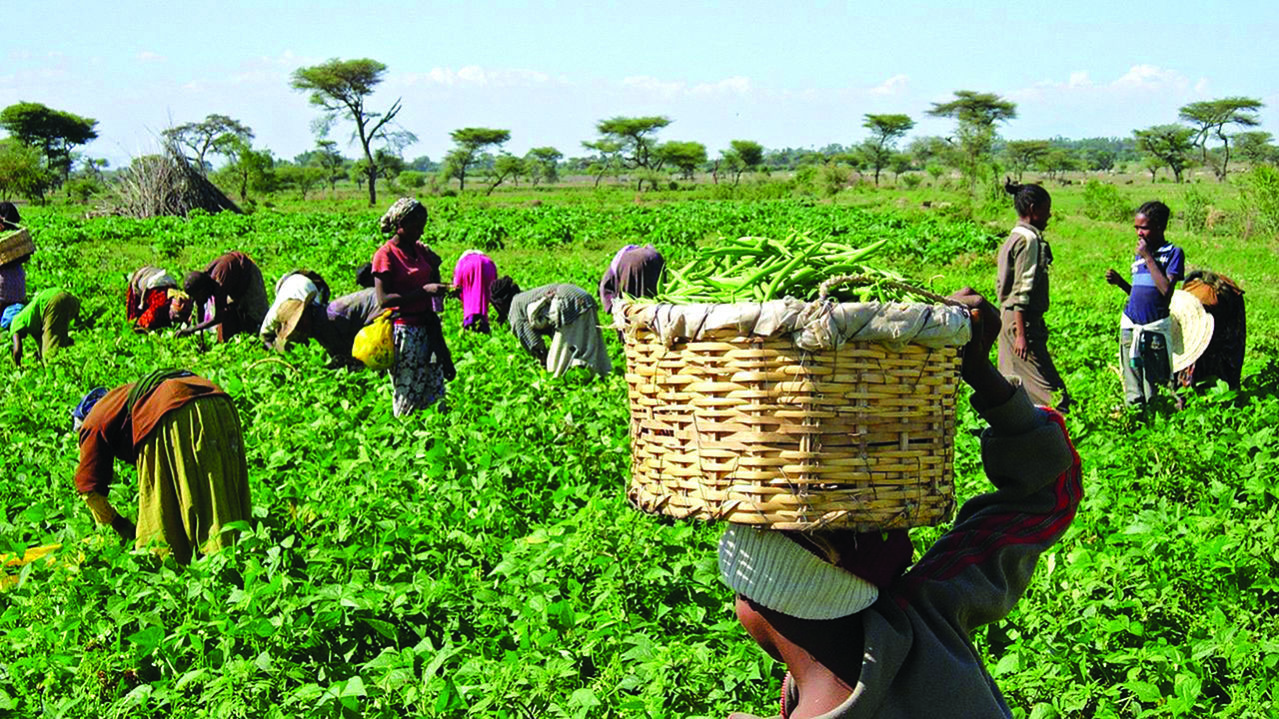
Farmers in the Federal Capital Territory (FCT) and surrounding areas have expressed mixed feelings about the impact of rainfall patterns and rising farm input costs on agricultural production.
They shared their concerns in interviews with reporters on Tuesday in Abuja.
While early rains have encouraged many to begin planting, high costs of seeds, fertilizers, agrochemicals, and labor remain major challenges.
Mrs. Blessing Emenike, a vegetable farmer, said rising fertilizer prices have forced many farmers to reduce the size of their cultivated land.
“Last year, a bag of fertilizer sold for about N32,000, but now it’s around N50,000, and not everyone can afford it. Seeds have also doubled in price. All the chemicals we use are very expensive. If the government could subsidize them, farming would be easier. Some farmers are considering planting fewer hectares because they cannot afford enough inputs,” she said.
Mr. Williams Abalaka, a maize farmer in Dutse Alhaji, reported that he has started planting following the onset of rainfall. He noted that the rains have been favorable so far, though frequent heavy downpours have slowed activities.
“The rains have softened the soil and made planting easier, but heavy rains sometimes hinder farm work. Erosion is a problem due to poor drainage, and insecurity fears keep farmers from going to their farms. Many now prefer using poultry droppings, which are cheaper than fertilizers. The main issue remains the high cost of inputs—fertilizers and improved seeds are much more expensive than last year, making it hard for small-scale farmers to expand,” he explained.
Mrs. Aisha Abubakar, a rice farmer in Dei-Dei, said she has reduced her farmland due to rising costs.
“I’ve started planting, but not as much as planned. Fertilizer, herbicides, and labor costs have increased significantly. If the government subsidizes inputs and offers accessible loans, farmers could produce more,” she stated.
Mr. Abdullahi Suleiman expressed concerns over unpredictable rainfall despite planting efforts.
“Prolonged dry spells between rains could affect germination and yields. We are monitoring weather conditions closely because farming depends heavily on rainfall. We remain hopeful, but climate challenges continue to impact productivity,” he said.
Mrs. Victoria Obadiah noted that farmers are better prepared this season compared to previous years, thanks to increased awareness campaigns and training.
However, she warned that rising input costs could limit productivity if support isn’t provided.
“Many farmers want to cultivate more land due to high food demand, but input costs are a barrier. The government needs to intervene through subsidies, better access to credit, and timely input distribution,” she urged.
Obadiah also emphasized the importance of climate-smart practices and advised farmers to utilize weather forecasts and extension services to improve yields and reduce losses.
Some farmers appealed to the government and development partners for stronger support programs to improve access to quality seeds, fertilizers, and modern equipment.
They remain optimistic that, with favorable weather and adequate support, agricultural production could increase, helping to improve food availability and affordability nationwide.
The farmers agree that increased food production is achievable this season, but challenges like rising input costs, insecurity, and changing rainfall patterns must be addressed for a successful harvest.
