


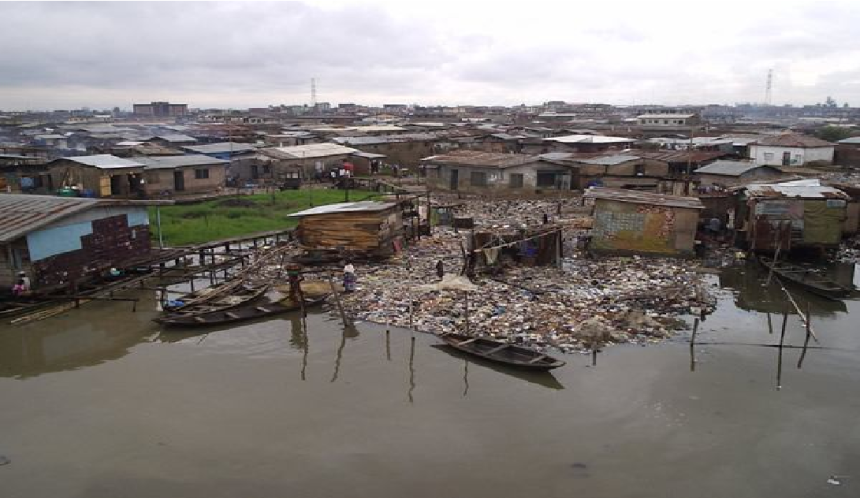
The Lagos State Environmental Protection Agency (LASEPA) has warned that rapid population growth is increasing pollution pressures in the state, while advocating for wider adoption of cleaner energy and recycling systems to address environmental challenges.
Dr. Babatunde Ajayi, the General Manager of LASEPA, made this call in an interview with reporters on Friday in Lagos to commemorate the 2026 World Environment Day.
Ajayi identified population growth as one of Lagos’s major environmental challenges.
“With population comes pollution,” he said.
He explained that increasing population results in higher waste generation, emissions, and noise pollution across the state.
Ajayi stated that the government is expanding waste management strategies to cope with rising waste volumes and tightening environmental standards for new religious, commercial, and entertainment facilities.
“We’re ensuring that these new facilities are soundproof,” Ajayi said.
He emphasized the importance of compliance with environmental regulations from the planning stage of projects to minimize environmental degradation.
Ajayi also highlighted that changing public behavior is critical for achieving long-term environmental sustainability and noted that compliance has improved across regulated sectors.
“The culture doesn’t change overnight; it takes time,” he said.
He added that enforcement remains one of the agency’s most effective tools for encouraging compliance and discouraging violations.
“We won’t get everyone to comply immediately,” he acknowledged.
Ajayi said LASEPA has intensified public awareness campaigns alongside enforcement measures to promote environmental responsibility among residents and businesses.
“Ultimately, people will change through increased enforcement and extensive advocacy,” he stated.
The LASEPA boss also pointed out that adopting cleaner energy is a practical way to reduce pollution in Lagos.
“One simple improvement is the adoption of green power,” he said.
Ajayi encouraged residents and small business owners to embrace solar energy and inverter systems as alternatives to fuel-powered generators, noting that such a shift would significantly cut air and noise pollution.
In addition, Comrade Friday Oku, President of the Association of Scraps and Waste Pickers of Lagos, emphasized that expanding recycling systems could create jobs for youth and women while helping to address environmental challenges.
Oku highlighted the vital role waste pickers play in Nigeria’s recycling value chain by recovering recyclable materials from streets, drainage channels, and dumpsites, thereby reducing pollution and improving urban sanitation.
“We are the backbone of recycling; without us, there is no circular economy,” he said.
He called for stronger support for recycling systems, including formal recognition of informal waste workers and better implementation of waste management policies to enhance resource recovery and reduce pollution.
