


By Adagbo Onoja
This is not a rejoinder to Prof Jibrin Ibrahim’s January 18th, 2024 opinion titled “The First Coup”. His opinion only serves this piece as the peg for a caution against overlooking the constitutive outside in the explanation of the phenomenon of coups in Africa, historically. Prof Jibrin Ibrahim’s piece on January 18th is striking in its restatement of the apprehension of both the cycle of coups and the wish for the syndrome to go away.
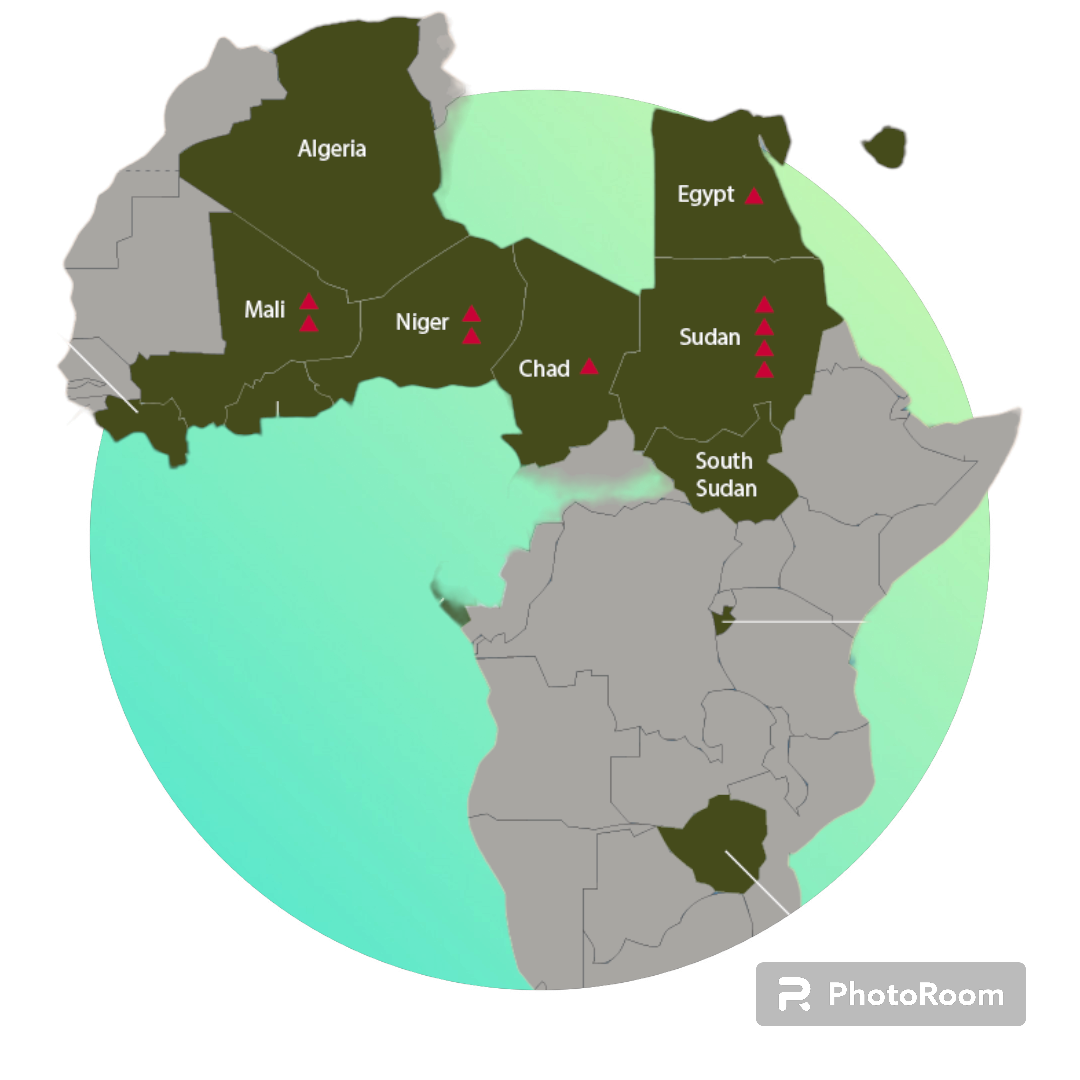
As much shared as that desire for an end to the coup syndrome, the current fear concentrates too much on internal conditions that provoke coups almost to the neglect of certain global geopolitical conditions that might account more for coups in the African context, particularly in the light of the recent ones. It has always been like that and nothing has changed. The conditions have actually intensified and may worsen, depending especially on how the US and China negotiate accommodation. In a world marked by radical contingency and extreme of hybridity, it may sound reductionist to isolate the US and China but they are the two whose actions and inactions can be definitive of the global.
The liberal internationalist optimism of the Joseph Nyes of this world that the 21st century is not the 20th century, implying that we can rule out a hot war may not be dismissed but neither can we dismiss the neorealist prediction of the impossibility of China’s peaceful rise. In other words, peer security competition for global primacy in a world of diverse spatialities of power could manifest in a resort to the military as an instrument for managing the competition by one power or another, particularly in Africa.
Is Africa being set up to chase shadows in self-disarming while neglecting the more potent sources of coup instigation on the continent?
Happily, Prof Ibrahim took good note of this by referencing what one can call the canonical text in the ideological narrativisation of the military as the only instrument capable of accomplishing modernisation in Africa by the late Samuel Huntington. It was another way of ascribing to the military such a role as a cover for the much needed conveyor belt of imperialist interests on the African continent. As one African country fell after another to one coup or another, the West got for itself a viable anti-communist guarantor during the Cold War. Why would anyone assume it cannot happen again in the return of that same great power competition but this time between the Washington and Beijing consensuses? The point, therefore, is that if a coup serves the interest of primacy, any of those perceiving the guarantee of their interests in Africa will consider facilitating a coup, irrespective of what they have said before.
Away from great power security competition, there are other countries and actors in the social order with agenda and resources to sponsor a coup. What the late Ibrahim Tahir said in an interview in 2006 in this respect is still as valid today as then. He said, inter alia: who will convince me or you or President Obasanjo himself for that matter that the next President of Nigeria and his security managers and Defence operators will have comfortable sleep with untold number of young people with hundreds of millions of Naira stashed away”
The more dangerous dimension of the current wholesome campaign against coups is how it could lead us into strategies of literarily disarming the military, with implications that it will not be in a position to rise to a national security challenge when needed. If Nigeria were to be ever defeated in a war – whatever type of war – it will hardly ever get out of that demystification of a hegemon. Of course, Nigeria is a hegemon even though a seriously wounded hegemon at the moment but it has excellent chances of rising, given that conflicts can be productive.
So, while guarding against temptation to coup within the military, Nigeria should not uncritically consume narratives that can mislead it to unmake the military. The military anywhere in the world misbehaves in many ways beyond staging a coup but there is no excuse for not building the best military academies for the Nigerian Armed forces, (best in terms of curriculum and resource persons rather than bogus buildings); sending its potential and actual stars to the most critical exposures in the social sciences or arming it to the teeth. The lessen of deterrence, as conservative and war mongering as it is, is that self-disarming is an invitation to self-humiliation for a nation as long as the current configuration of the world remains. A military that can think is a better guarantee against the coup syndrome than a quantitative military.
It is the view of a leading Nigerian scholar that Nigeria is still battling with getting off riding the military tiger
No scholar of the military institution would disagree with Prof Ibrahim that the military is incapable of building a society. In Africa, the military has historically served imperialism by serving as a conveyor belt for capitalist values against Communism. Specifically, the military orientation – the ideology of hierarchy and command – or what Ibrahim calls the “barrack culture” is the very anti-thesis of hegemony, the only way by which to build a society. By hegemony here is meant the negotiation of accommodation and consensus through haggling, bargaining and understanding rather than coercion and threat of extraordinary sanctions for non-compliance. The “barrack culture” serves the essence of the military profession which is to subdue enemies through force and violence but it doesn’t work for the larger society where criticism and debate leads to consensus among contending actors. And Nigeria is a good example of the unworkability of the barrack culture because its ideology of hierarchy and command sees debate as challenge to authority and punishes criticism.
So, Prof is correct in his analysis about the unsuitability of the military in the construction of the social and he is supported by the popular notion that though our children, classmates, students, brothers and sisters, the military should live in barracks far away from us because they are no longer the classmates, sons, daughters and brothers we knew them before induction into the barrack culture.
At the same time, however, no one will ever agree that we should ever have anything less than a military that is capable of overwhelming any threats to Nigeria and returning to heroic songs at the airports. If we do not want anything but a military like that, then we must be wary of disarming the military, consciously and unconsciously, by falling for another Huntington schema. Huntington was ever a provocative promoter of slippery theses, beginning with leading the scholarly framing of the military as the only instrument by which modernisation could be accomplished in the ‘Third World’ of yore; then to his idea of ‘Clash of Civilisations?’ which is complicit in the identity catastrophe from Rwanda to Kosovo to the ‘global war on terrorism’ and then to his book Who Are We which some people argue is the manifesto for resurgent racial supremacism in the US today. So, there is need to be circumspect in canvassing some of the scripts traceable to what Ake calls ‘social science as imperialism’.
There is nothing more potent an anti-thesis of coups than leading in tandem with popular democratic aspirations. Once that is done, no military can overthrow any governments anywhere since what the military fears most is being confronted with popular rejection of offer of liberation through a coup and the subsequent possibility of being chased away from power by we, the people.
Onoja is a journalist, academician and Publisher of Intervention
