

• Home
  • Agric
  • Sci & Tech
  • Health
  • Environment
  • Hausa News
  • More
    • Business/Banking & Finance
    • Politics/Elections
    • Entertainments & Sports
    • International
    • Investigation
    • Law & Human Rights
    • Africa
    • ACCOUNTABILITY/CORRUPTION
    • Hassan Gimba
    • Column
    • Prof. Jibrin Ibrahim
    • Prof. M.K. Othman
    • Defense/Security
    • Education
    • Energy/Electricity
    • Entertainment/Arts & Sports
    • Society and Lifestyle
    • Food & Agriculture
    • Health & Healthy Living
    • International News
    • Interviews
    • Investigation/Fact-Check
    • Judiciary/Legislature/Law & Human Rights
    • Oil & Gas/Mineral Resources
    • Press Freedom/Media/PR/Journalism
    • General News
    • Presidency
  • About Us
    • Contact Us
    • Board Of Advisory
    • Privacy Policy
    • Ethics Policy
    • Teamwork And Collaboration Policy
    • Fact-Checking Policy
    • Advertising
  • Media OutReach Newswire
    • Wire News
  • The Stories
Facebook Twitter Instagram
Trending
  • Nigeria bears highest sickle cell burden, experts warn
  • Education, agriculture programmes free at UNILESA
  • Sokoto–Badagry highway gets Senate approval
  • Ebonyi targets low-immunisation LGAs
  • LG unveils smart dehumidifier for homes, hospitals
  • FX reserves projected at $51.04bn target despite Middle East turmoil, By Hope Moses-Ashike 
  • Senate confirms Yuguda as CBN deputy governor
  • Veterinarians urged to join Nigeria’s public health planning
Facebook Twitter Instagram YouTube
AsheNewsAsheNews
  • Home
  • Agric

    Nigeria loses 24m tonnes of topsoil annually, govt warns

    April 29, 2026

    World agriculture forum inaugurates Nigeria Country council

    April 28, 2026

    U.S. revives GSM-102 credit scheme to deepen agricultural trade with Nigeria

    April 27, 2026

    Poultry farmers seek increased financing to boost production

    April 27, 2026

    Malnutrition: FG rolls out community food bank programme in Northeast

    April 27, 2026
  • Sci & Tech

    Oyedele calls for tech upgrades to boost Nigeria’s growth

    April 29, 2026

    Australian scientists turn plastic waste into clean fuel using sunlight

    April 29, 2026

    Emir Sanusi urges universities to lead AI policy formulation

    April 29, 2026

    Artemis II: Space exploration, and the question of African future, By Prof. M. K. Othman

    April 28, 2026

    Nigeria needs unified cybersecurity – Expert warns

    April 27, 2026
  • Health

    Nigeria bears highest sickle cell burden, experts warn

    April 29, 2026

    Ebonyi targets low-immunisation LGAs

    April 29, 2026

    Enugu intensifies fight against malaria

    April 29, 2026

    Stigma, denial drive HIV rise in Kano

    April 29, 2026

    Kano commences 2026 Africa vaccination week

    April 28, 2026
  • Environment

    Veterinarians urged to join Nigeria’s public health planning

    April 29, 2026

    Nigeria adopts 2026–2035 national nutrition policy

    April 29, 2026

    CTV audience grows over 300% to 8m viewers on GOtv

    April 27, 2026

    Yobe council approves N59.8bn for project, infrastructure

    April 27, 2026

    Rainstorm damages homes, school in Kaduna

    April 27, 2026
  • Hausa News

    Otti plans 250-room 5-star hotel in Umuahia

    April 11, 2026

    Anti-quackery task force seals 4 fake hospitals in Rivers

    August 29, 2025

    [BIDIYO] Yadda na lashe gasa ta duniya a fannin Ingilishi – Rukayya ‘yar shekara 17

    August 6, 2025

    A Saka Baki, A Sasanta Saɓani Tsakanin ‘Yanjarida Da Liman, Daga Muhammad Sajo

    May 21, 2025

    Dan majalisa ya raba kayan miliyoyi a Funtuwa da Dandume

    March 18, 2025
  • More
    1. Business/Banking & Finance
    2. Politics/Elections
    3. Entertainments & Sports
    4. International
    5. Investigation
    6. Law & Human Rights
    7. Africa
    8. ACCOUNTABILITY/CORRUPTION
    9. Hassan Gimba
    10. Column
    11. Prof. Jibrin Ibrahim
    12. Prof. M.K. Othman
    13. Defense/Security
    14. Education
    15. Energy/Electricity
    16. Entertainment/Arts & Sports
    17. Society and Lifestyle
    18. Food & Agriculture
    19. Health & Healthy Living
    20. International News
    21. Interviews
    22. Investigation/Fact-Check
    23. Judiciary/Legislature/Law & Human Rights
    24. Oil & Gas/Mineral Resources
    25. Press Freedom/Media/PR/Journalism
    26. General News
    27. Presidency
    Featured
    Recent

    Nigeria bears highest sickle cell burden, experts warn

    April 29, 2026

    Education, agriculture programmes free at UNILESA

    April 29, 2026

    Sokoto–Badagry highway gets Senate approval

    April 29, 2026
  • About Us
    1. Contact Us
    2. Board Of Advisory
    3. Privacy Policy
    4. Ethics Policy
    5. Teamwork And Collaboration Policy
    6. Fact-Checking Policy
    7. Advertising
    Featured
    Recent

    Nigeria bears highest sickle cell burden, experts warn

    April 29, 2026

    Education, agriculture programmes free at UNILESA

    April 29, 2026

    Sokoto–Badagry highway gets Senate approval

    April 29, 2026
  • Media OutReach Newswire
    • Wire News
  • The Stories
AsheNewsAsheNews
Home»Viewpoint»Trump’s America and labelling of Kwankwaso, Fulani, and Nigerian Muslims, By Yushau A. Shuaib
Viewpoint

Trump’s America and labelling of Kwankwaso, Fulani, and Nigerian Muslims, By Yushau A. Shuaib

EditorBy EditorFebruary 12, 2026Updated:February 12, 2026No Comments5 Mins Read
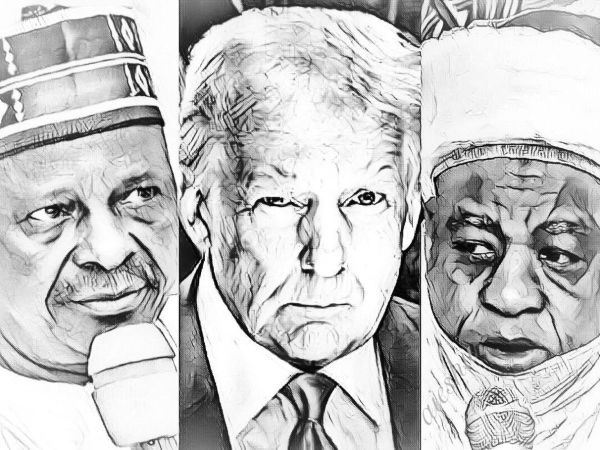
Mixed photo of Kwankwaso-Trump-and-Sultan
Share
Facebook Twitter LinkedIn Pinterest Email

I write this with deep concern—not anger, but concern—over what increasingly appears to be a troubling pattern in the posture of the United States under President Donald Trump toward Nigeria, particularly its Muslim communities and northern leadership.

Since Trump’s return to office, a narrative has steadily gathered momentum in Washington: that Nigeria is a theatre of “Christian genocide,” orchestrated or tolerated by Muslim political actors. It is a grave allegation. It is also one that many credible Nigerian authorities, religious leaders, security experts, and independent analysts have consistently challenged as simplistic, selective, and dangerously misleading.

Nigeria’s security crisis is real. Terrorism, banditry, communal clashes, and criminal violence have devastated communities—Muslim and Christian alike—in Borno, Zamfara, Niger, Benue, Plateau, Kaduna and beyond. But to reduce this complex web of criminality, governance failure, climate pressure, and arms proliferation into a one-dimensional religious war is not analysis; it is advocacy.

The genesis of this framing can be traced to lobbying efforts and reports amplified in foreign policy circles—some originating from discredited advocacy groups, whose data and claims have been publicly questioned by investigative journalists. Yet, these narratives have found fertile ground among certain US lawmakers and religious pressure blocs eager to fit Nigeria into a broader global persecution template.

President Trump’s earlier designation of Nigeria as a “Country of Particular Concern” (CPC) over alleged religious persecution was controversial. The redesignation months later reinforced the perception that Washington had settled on a narrative, regardless of Nigeria’s internal complexities.

ALSO READ Why Kwankwaso was singled out in a US bill, By Farooq Kperogi

ALSO READ US lawmakers push sanctions bill targeting Kwankwaso, Miyetti Allah

Driven by this ill-informed framing, Trump ordered a Christmas Day airstrike on Sokoto—historically the seat of Nigeria’s Islamic Caliphate—as a symbolic gesture aimed at appeasing his Christian constituency. The strike occurred despite Sokoto being neither an epicentre of terrorism nor banditry. The Muslims did not protest the deliberate provocation, even after discovering that local collaborators were feeding Americans the so-called ‘Christian genocide’ narrative as a strategic ploy to influence Nigeria’s 2027 presidential elections.

Now comes the introduction of the “Nigeria Religious Freedom and Accountability Act of 2026” by US lawmakers Chris Smith, Riley Moore, Brian Mast, Mario Diaz-Balart, and Bill Huizenga. The bill seeks sanctions—including visa bans and asset freezes—against former Kano State Governor Rabiu Musa Kwankwaso and certain Fulani-affiliated groups such as the Miyetti Allah Cattle Breeders Association of Nigeria (MACBAN) and Miyetti Allah Kautal Hore.

More disturbingly, the legislation appears designed to pave the way for categorising Muslim political leaders as well as “Fulani-ethnic nomad militias” as foreign terrorist organisations.

It is so worrisome to scandalise a prominent political figure like Kwankwaso—a Muslim who is not known as a religious extremist—on the eve of his alignment ahead of Nigeria’s upcoming presidential election is deeply scandalous. Equally dangerous is the attempt to criminalise an entire ethnic identity under the sweeping label of “Fulani militia,” setting a perilous precedent.

Criminal elements exist across all ethnic and religious lines in Nigeria. But the Fulani, like the Igbo, Yoruba, Tiv, Kanuri, Ijaw or any other group, are a diverse population numbering in the millions. Collective blame is not justice; it is profiling.

Nigeria has welcomed increased U.S. military engagement, with AFRICOM officials meeting Nigerian security leaders and American troops now permitted to operate in the country. The government has also invested millions of dollars in diplomatic outreach and strategic lobbying. Yet the shift from partnership to punitive labelling raises an uncomfortable question: what exactly is Washington seeking?

And more importantly, what does Trump’s new posture mean for Nigerians, Muslims and non-Muslims alike? Should it push us toward suspicion of one another or toward questioning the motives behind externally driven narratives, including those shaped by controversial reports from certain advocacy groups, especially the Onitsha-based Intersociety operated by a screwdriver salesman and other IPOB platforms?

If the concern is truly religious freedom, then policy must be anchored in verifiable evidence, not selective outrage. Terrorism’s epicentres—Borno under Boko Haram, Zamfara under banditry networks, Niger under insurgent infiltration—do not fit neatly into a Christian-versus-Muslim binary. Victims in these theatres include imams, pastors, farmers, traders, and children of every faith.

As I reflected in my previous articles, the narrative that Nigeria’s Muslims are collectively complicit in anti-Christian persecution is not only inaccurate; it is inflammatory. It risks deepening mistrust within Nigeria’s fragile social fabric. It emboldens extremists who thrive on polarisation. And it externalises what should remain a sovereign, evidence-driven security discourse.

But sanctions based on politicised framing or fictitious advocacy-driven reports by secessionist and anti-Muslim groups undermine the credibility of international accountability mechanisms.

If President Trump’s America truly seeks stability in West Africa, it must engage Nigeria in partnership, not profiling; in evidence, not emotion; in diplomacy, not designation.

Nigeria’s Muslims and Fulani ethnic groups do not need appeasement. They need fairness. Our country needs fact-based engagement, not fear.

Yushau A. Shuaib is the author of “An Encounter with the Spymaster” and “Award-Winning Crisis Communication Strategies.” yashuaib@yashuaib.com

President Donald Trump Rabiu Kwakwaso Sultan Abubakar
Share. Facebook Twitter Pinterest LinkedIn WhatsApp Reddit Tumblr Email
Editor
  • Website

Related Posts

OPINION: Why Ondo North must choose substance over symbolism in the red chamber

April 26, 2026

[VIEWPOINT] Why Adeyanju earns 90% approval in Ondo North senate poll, By Bashir Adefaka

April 23, 2026

INEC’s farcical self-acquittal of Amupitan, By Farooq Kperogi

April 21, 2026

Leave A Reply Cancel Reply

Nigeria bears highest sickle cell burden, experts warn

April 29, 2026

Education, agriculture programmes free at UNILESA

April 29, 2026

Sokoto–Badagry highway gets Senate approval

April 29, 2026

Ebonyi targets low-immunisation LGAs

April 29, 2026
About Us
About Us

ASHENEWS (AsheNewsDaily.com), published by PenPlus Online Media Publishers, is an independent online newspaper. We report development news, especially on Agriculture, Science, Health and Environment as they affect the under-reported rural and urban poor.

We also conduct investigations, especially in the areas of ASHE, as well as other general interests, including corruption, human rights, illicit financial flows, and politics.

Contact Info:
  • 1st floor, Dogon Daji House, No. 5, Maiduguri Road, Sokoto
  • +234(0)7031140009
  • ashenewsdaily@gmail.com
Facebook Twitter Instagram Pinterest
© 2026 All Rights Reserved. ASHENEWS Daily Designed & Managed By DeedsTech

Type above and press Enter to search. Press Esc to cancel.