

• Home
  • Agric
  • Sci & Tech
  • Health
  • Environment
  • Hausa News
  • More
    • Business/Banking & Finance
    • Politics/Elections
    • Entertainments & Sports
    • International
    • Investigation
    • Law & Human Rights
    • Africa
    • ACCOUNTABILITY/CORRUPTION
    • Hassan Gimba
    • Column
    • Prof. Jibrin Ibrahim
    • Prof. M.K. Othman
    • Defense/Security
    • Education
    • Energy/Electricity
    • Entertainment/Arts & Sports
    • Society and Lifestyle
    • Food & Agriculture
    • Health & Healthy Living
    • International News
    • Interviews
    • Investigation/Fact-Check
    • Judiciary/Legislature/Law & Human Rights
    • Oil & Gas/Mineral Resources
    • Press Freedom/Media/PR/Journalism
    • General News
    • Presidency
  • About Us
    • Contact Us
    • Board Of Advisory
    • Privacy Policy
    • Ethics Policy
    • Teamwork And Collaboration Policy
    • Fact-Checking Policy
    • Advertising
  • Media OutReach Newswire
    • Wire News
  • The Stories
Facebook Twitter Instagram
Trending
  • Food prices remain elevated despite N7.65trn imports, FG interventions
  • CBN clearing airline debts to boost Nigeria–UK aviation ties — Tinubu
  • [VIEWPOINT] Why Adeyanju earns 90% approval in Ondo North senate poll, By Bashir Adefaka
  • NMA suspends national president
  • Sightsavers trains health workers in sign language
  • Youth protest INEC leadership in Sokoto
  • Breast cancer care training held in Abuja
  • Shettima inaugurates Kano grain facility
Facebook Twitter Instagram YouTube
AsheNewsAsheNews
  • Home
  • Agric

    Food prices remain elevated despite N7.65trn imports, FG interventions

    April 23, 2026

    Shettima inaugurates Kano grain facility

    April 23, 2026

    Lawmakers back post-harvest innovation

    April 23, 2026

    Nigeria’s farms power economy

    April 22, 2026

    Nigeria tops global root, tuber production

    April 22, 2026
  • Sci & Tech

    RMRDC launches data-driven raw materials platform to boost investment, industrial growth

    April 21, 2026

    Apple names John Ternus as new CEO to lead $4trn tech giant

    April 21, 2026

    Tinubu appoints Fatima Zuntu as NBMA Director-General

    April 21, 2026

    LIFE-ND trains Abia workers in ICT, AI

    April 20, 2026

    How Nigeria can turn research into economic growth — Onwualu

    April 20, 2026
  • Health

    NMA suspends national president

    April 23, 2026

    Sightsavers trains health workers in sign language

    April 23, 2026

    Breast cancer care training held in Abuja

    April 23, 2026

    Free breast cancer screening launched for Abuja female journalists

    April 23, 2026

    Nigeria ramps up cancer prevention, education

    April 22, 2026
  • Environment

    NGE warns NBC over sanction threat

    April 22, 2026

    Don urges geographers to tackle forest crisis

    April 21, 2026

    Ado residents decry poor electricity supply

    April 21, 2026

    ILO certifies 21 new social protection experts in Nigeria

    April 21, 2026

    LAWMA steps up flood prevention ahead of rainy season

    April 21, 2026
  • Hausa News

    Otti plans 250-room 5-star hotel in Umuahia

    April 11, 2026

    Anti-quackery task force seals 4 fake hospitals in Rivers

    August 29, 2025

    [BIDIYO] Yadda na lashe gasa ta duniya a fannin Ingilishi – Rukayya ‘yar shekara 17

    August 6, 2025

    A Saka Baki, A Sasanta Saɓani Tsakanin ‘Yanjarida Da Liman, Daga Muhammad Sajo

    May 21, 2025

    Dan majalisa ya raba kayan miliyoyi a Funtuwa da Dandume

    March 18, 2025
  • More
    1. Business/Banking & Finance
    2. Politics/Elections
    3. Entertainments & Sports
    4. International
    5. Investigation
    6. Law & Human Rights
    7. Africa
    8. ACCOUNTABILITY/CORRUPTION
    9. Hassan Gimba
    10. Column
    11. Prof. Jibrin Ibrahim
    12. Prof. M.K. Othman
    13. Defense/Security
    14. Education
    15. Energy/Electricity
    16. Entertainment/Arts & Sports
    17. Society and Lifestyle
    18. Food & Agriculture
    19. Health & Healthy Living
    20. International News
    21. Interviews
    22. Investigation/Fact-Check
    23. Judiciary/Legislature/Law & Human Rights
    24. Oil & Gas/Mineral Resources
    25. Press Freedom/Media/PR/Journalism
    26. General News
    27. Presidency
    Featured
    Recent

    Food prices remain elevated despite N7.65trn imports, FG interventions

    April 23, 2026

    CBN clearing airline debts to boost Nigeria–UK aviation ties — Tinubu

    April 23, 2026

    [VIEWPOINT] Why Adeyanju earns 90% approval in Ondo North senate poll, By Bashir Adefaka

    April 23, 2026
  • About Us
    1. Contact Us
    2. Board Of Advisory
    3. Privacy Policy
    4. Ethics Policy
    5. Teamwork And Collaboration Policy
    6. Fact-Checking Policy
    7. Advertising
    Featured
    Recent

    Food prices remain elevated despite N7.65trn imports, FG interventions

    April 23, 2026

    CBN clearing airline debts to boost Nigeria–UK aviation ties — Tinubu

    April 23, 2026

    [VIEWPOINT] Why Adeyanju earns 90% approval in Ondo North senate poll, By Bashir Adefaka

    April 23, 2026
  • Media OutReach Newswire
    • Wire News
  • The Stories
AsheNewsAsheNews
Home»Health & Healthy Living»Why 53.9% of Nigerian children are multi-dimensionally poor – Report
Health & Healthy Living

Why 53.9% of Nigerian children are multi-dimensionally poor – Report

EditorBy EditorDecember 27, 2024Updated:December 27, 2024No Comments4 Mins Read
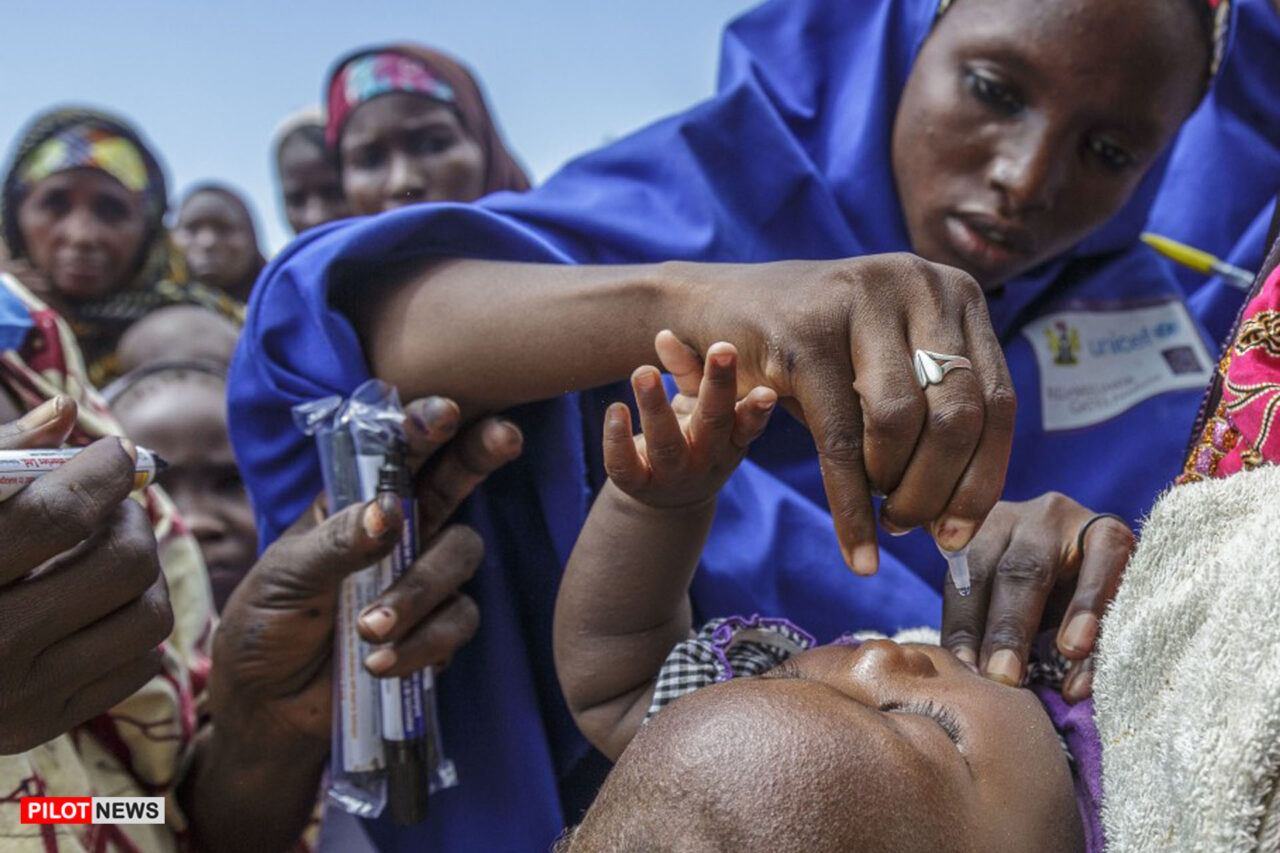
Vaccination
Vaccination
Share
Facebook Twitter LinkedIn Pinterest Email

The Situation Analysis (SitAn) of Children in Nigeria Report has identified some of the reasons why 53.9 per cent of children in the country are multi-dimensionally poor.

The report, launched during the 2024 World Children’s Day celebration on Nov. 20, is a policy document prepared by the Federal Government with support from the United Nations Children’s Fund (UNICEF) to identify and understand specific child issues.

According to the report, corruption, unemployment, lack of political will, violence and insurgency and inadequate investment in social sectors play significant roles in making Nigerian children poor.

It added that displacement and resettlement place additional pressure on existing resources, further exacerbating child poverty in Nigeria.

The report defined child poverty as “a situation where children experience deprivation of the material, spiritual and emotional resources needed to stay alive, develop and thrive, thus leaving them unable to enjoy their rights, achieve their full potential and participate as full and equal members of society.”

It stated that the seven poverty indicators for children are: health, water, sanitation, nutrition, shelter, education and information.

Explaining the Multidimensional Poverty Index (MPI) analysis, the report noted that across the 36 states of the federation and the Federal Capital Territory (FCT), disparities exist in the multi-dimensional poverty of children.

It added that “in Osun State, the incidence of poverty was lowest at 17.5 per cent, incidence of deprivation was 35.5 per cent and the Human Development Index (HDI) ranking was 14th in Nigeria.

“In Sokoto State, the incidence of poverty was very high at 89.9 per cent, incidence of deprivation was 50.4 per cent and the HDI ranking was 37 per cent.

“In Lagos State, poverty incidence was 27.8 per cent, incidence of deprivation was 36.8 per cent, while the HDI ranking was one per cent.”

The report indicated that when disaggregated by rural and urban, 29.7 per cent of urban children were multi-dimensionally poor against 65.7 per cent of rural children.

It added that children living in Sokoto State 80.4 per cent, Kebbi 74.9 per cent and Zamfara 74 per cent were worse off, experiencing the highest multidimensional deprivation.

“On the other hand, less than 20 per cent of children living in Edo (19 per cent) and Lagos State (17.3 per cent) were multi-dimensionally poor.

“Multi-dimensionally poor children living in Sokoto State deprived in 74.1 per cent of the total number of deprivations compared to 57.7 per cent of children living in Lagos.”

It said that households with higher number of members and/or children show higher multidimensional deprivation rates than smaller households.

It also implied that children in homes with uneducated household heads and/or mothers are more likely to be multi-dimensionally poor compared with children whose household heads attained secondary or higher education levels.

It stated that a larger proportion of children with illiterate mothers are multi-dimensionally poor than children with literate mothers.

“A striking case of multiple deprivations among children can be observed in the case of Almajiri children.

“These children are always on the move and are deprived of decent living conditions, good food and nutrition, water and basic sanitation, access to healthcare facilities, access to education and parental care.

“They are also deprived protection from violence and abuse, participation in decisions affecting their lives, and are often subjected to child labour and abuse.

“They are also taken advantage of during times of conflict and often obliged to carry arms.”

To ameliorate the situation, the report recommended that stakeholders should play certain roles.

It said that family and close caregivers should play crucial roles in alleviating child poverty and securing protection for children.

The report notes that children in poverty depend greatly on the existence of public healthcare, education and social services to develop capabilities and learn to function.

It added that these institutions and their programmes therefore must be inclusive and structured in an affordable and accessible way and be used by children who need them.

“Effective governance at all levels will ensure sound policy, equitable spread and judicious use of resources for investments that enhance household livelihoods, reduce poverty and foster the rights of children.

“Government needs to support families and households by providing minimum income that is sustainable to ensure that financial barriers do not prevent children from reaching their potential.”

SitAn was first published in 2022 primarily based on household survey data from the Multiple Indicator Cluster Survey (MICS 2016-2017) and the Demographic and Health Survey (DHS 2018).

An updated version was published and launched in 2024 to support government’s efforts to shape policies and shift investment patterns to benefit Nigerian children.

NAN

Children UNICEF
Share. Facebook Twitter Pinterest LinkedIn WhatsApp Reddit Tumblr Email
Editor
  • Website

Related Posts

NMA suspends national president

April 23, 2026

Sightsavers trains health workers in sign language

April 23, 2026

Breast cancer care training held in Abuja

April 23, 2026

Leave A Reply Cancel Reply

Food prices remain elevated despite N7.65trn imports, FG interventions

April 23, 2026

CBN clearing airline debts to boost Nigeria–UK aviation ties — Tinubu

April 23, 2026

[VIEWPOINT] Why Adeyanju earns 90% approval in Ondo North senate poll, By Bashir Adefaka

April 23, 2026

NMA suspends national president

April 23, 2026
About Us
About Us

ASHENEWS (AsheNewsDaily.com), published by PenPlus Online Media Publishers, is an independent online newspaper. We report development news, especially on Agriculture, Science, Health and Environment as they affect the under-reported rural and urban poor.

We also conduct investigations, especially in the areas of ASHE, as well as other general interests, including corruption, human rights, illicit financial flows, and politics.

Contact Info:
  • 1st floor, Dogon Daji House, No. 5, Maiduguri Road, Sokoto
  • +234(0)7031140009
  • ashenewsdaily@gmail.com
Facebook Twitter Instagram Pinterest
© 2026 All Rights Reserved. ASHENEWS Daily Designed & Managed By DeedsTech

Type above and press Enter to search. Press Esc to cancel.