


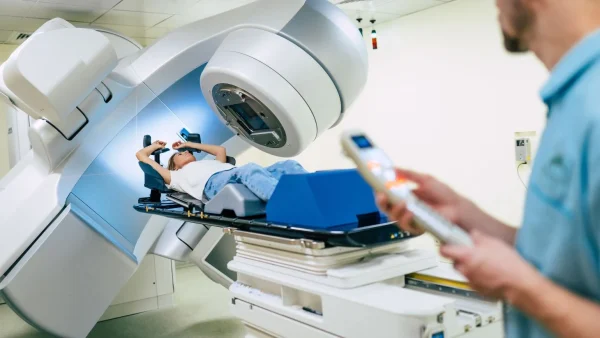
Medical experts have warned that cancer cases in Nigeria are increasing. They say the rise is partly because better tools are now available to detect cancer and to keep better records, showing the true number of people affected.
Experts also say the increase is not just from better detection. More people are also being exposed to things that raise cancer risk—like poor diets, smoking, drinking too much alcohol, not exercising, and going to the hospital too late.
According to the International Agency for Research on Cancer, the most common cancers in Nigeria are breast, prostate, cervical, colorectal, and non-Hodgkin lymphoma.
Nigeria’s Health Minister, Prof. Muhammad Pate, says the country sees about 127,000 new cancer cases every year, with around 80,000 deaths.
At the opening of a new cancer centre in Katsina, Prof. Pate repeated that Nigeria faces about 127,000 new cancer cases yearly, leading to 80,000 deaths. He called it a serious health challenge.
He said cancer and other non-infectious diseases are becoming a bigger threat in Nigeria. These illnesses cause suffering and cost families a lot of money.
Still, he assured Nigerians that the government is working to improve healthcare as part of President Bola Tinubu’s “Renewed Hope Agenda.”
He also said the government plans to build cancer centres in all six regions of the country to help detect cancer early and reduce deaths.
Meanwhile, experts say the actual number of cancer cases could be higher. Better detection, lifestyle habits, lack of regular checkups, and more awareness are all contributing to the increase.
Dr. Adamu Umar from the Nigerian Medical Association said Nigeria may see more cancer cases reported—not because more people are getting cancer, but because the country now has better ways to detect and track it.
Speaking to a reporter, Dr. Umar said cancer used to be underreported in Nigeria because of poor testing facilities, low awareness, cultural beliefs, and a shortage of trained doctors.
He said the current numbers don’t show the full picture. For every cancer case diagnosed, many more likely go unnoticed.
However, he said Nigeria has made progress in cancer care. New testing centres, modern treatment hospitals, and better coordination between health centres are helping to find more cases.
Institutions like the National Institute for Cancer Research and Treatment are also improving the way cancer is tracked in the country.
Dr. Umar said local cancer registries are now starting to grow, giving a clearer view of the country’s cancer situation.
He believes Nigeria is now entering a time where better data and testing will help show the real size of the problem.
He also said both better systems and unhealthy lifestyles are pushing the number of cases up.
More Nigerians are eating processed food, not exercising, and skipping regular medical checkups. This puts them at greater risk for cancers like breast, prostate, and cervical cancer.
He said many people still avoid hospitals until it’s too late. In rural areas, myths and wrong beliefs make things worse.
Most Nigerians don’t go for regular checkups. By the time they visit a hospital, it is often too late to help.
Dr. Umar urged the government to train more cancer doctors, make treatment cheaper, and ensure every Nigerian is part of the national health insurance, which could provide free yearly checkups.
He called cancer a “monster” and said fighting it requires strong national commitment. Early detection, he said, is the key to success.
Dr. Qudus Lawal from End Cervical Cancer Nigeria also said more cases are now being recorded—not because the disease is spreading faster, but because detection has improved.
Dr. Lawal, a specialist at Irrua Teaching Hospital, said one reason for better detection is that more hospitals are now connected to international cancer reporting systems.
He said that more hospitals are now sharing data with global cancer databases, giving a clearer picture than before.
Still, he warned that even with better numbers, many cancer cases are still not reported.
He explained that while better reporting is showing more cases, risk factors like smoking, alcohol, lack of exercise, and poor diet are also increasing.
Dr. Lawal warned that if people don’t change their habits, cancer rates will keep rising in the future.
He said Nigeria needs to promote cancer screening, treat early signs, and prevent cases where possible.
In the past, many Nigerians died from cancer without knowing they had it. Now, better awareness and systems are helping to detect those cases.
He concluded by saying it’s not just about reporting numbers. It’s about using the data to prevent cancer and treat it effectively.
