


The Medical Rehabilitation Therapists Board of Nigeria (MRTB) has introduced new standards for rehabilitation practice nationwide, launched digital regulatory portals, and implemented major policy reforms approved by the Federal Government.
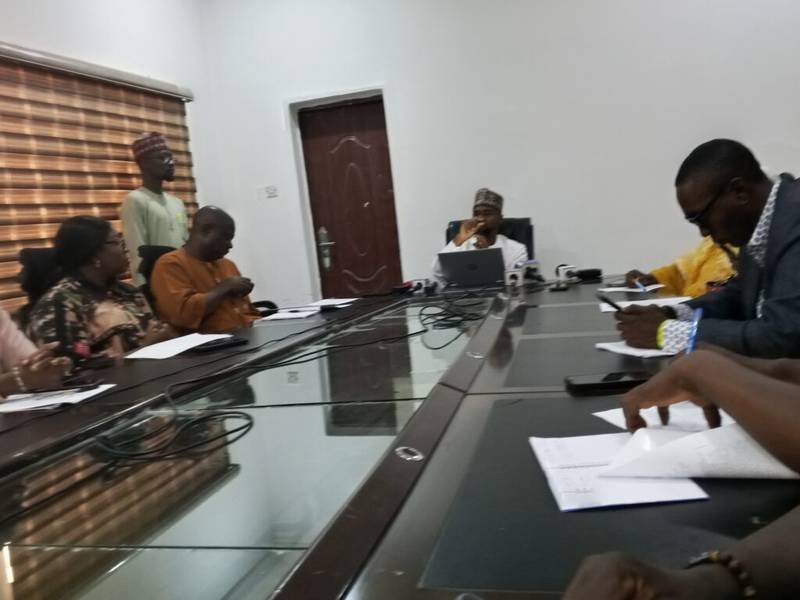
Prof. Rufia Ahmad, the Registrar of the board, announced this on Tuesday in Abuja during a news conference on the regulation of medical rehabilitation services in Nigeria.
Ahmad stated that the public can now verify the licensing status of rehabilitation therapists and the accreditation of facilities through new online platforms nationwide.
She added that rehabilitation services will be integrated into Primary Health Care and considered under the National Health Insurance framework to reduce out-of-pocket costs for patients.
The registrar also disclosed that the Minister of Education has approved the establishment of medical rehabilitation programs in 20 universities across Nigeria to expand workforce capacity and improve professional distribution.
According to Ahmad, these reforms aim to safeguard public health and ensure the delivery of safe, effective, and high-quality rehabilitation care for all Nigerians.
“For too long, Nigerians have accessed rehabilitation services without knowing if the provider is qualified or the facility is safe. These new standards and digital tools put verification in the hands of the public and ensure every patient receives care from licensed professionals in accredited facilities. This is how we protect lives and restore dignity through rehabilitation,” she said.
She warned that unregulated rehabilitation practice poses significant risks to patient safety and undermines the credibility of Nigeria’s health system.
All rehabilitation practitioners and facilities are now required to comply immediately with licensing, registration, accreditation, and inspection requirements established by the MRTB.
“To enhance transparency, MRTB has digitalized all core activities in line with the President’s Renewed Hope Agenda. The new portals cover Standards of Practice, Registration, Licensing, Accreditation, Inspection, Indexing, Professional Examination, and Internship. The public can use these platforms to check license status, confirm facility accreditation, and report misconduct,” she explained.
The Ministry of Health and Social Welfare has approved integrating rehabilitation services into Primary Health Care systems nationwide. Rehabilitative services and assistive devices will also be considered under health insurance to reduce financial barriers and improve access.
“This shift will bring rehabilitation closer to communities and support progress toward universal health coverage,” Ahmad added.
She also announced a Public-Private Partnership approved by the Minister of State for Health and Social Welfare, aimed at expanding access to rehabilitation services and creating employment opportunities for qualified professionals.
The Minister of Humanitarian Affairs and Poverty Reduction has approved efforts to revive rehabilitation centers across Nigeria, which will operate transition clinics to support patients moving from hospital care to community-based rehabilitation and long-term recovery.
A Rehabilitation Technical Working Group, supported by MRTB and inaugurated by the Minister of Health, completed a Systematic Rehabilitation Situation Assessment. This assessment identified gaps in service delivery, workforce capacity, infrastructure, and access.
Based on the findings, a National Rehabilitation Policy, Strategic Plan, and Monitoring and Evaluation Framework are under development to guide reforms and prioritize rehabilitation in health planning and budgets.
Nigeria’s reforms align with the WHO Rehabilitation 2030 Initiative adopted in 2023, which emphasizes leadership, financing, workforce, service delivery, data use, and assistive devices.
Stakeholder engagement remains central to MRTB’s regulatory approach, with ongoing collaboration with healthcare providers, professional associations, patients, caregivers, and government agencies to improve standards and outcomes.
The registrar explained that rehabilitation includes interventions that help individuals recover lost abilities and regain independence after disease, injury, disability, trauma, or substance addiction.
Physical rehabilitation restores mobility and daily functioning, such as walking, dressing, bathing, and using assistive devices. Mental rehabilitation aims to improve cognitive, emotional, behavioral, and psychiatric health, enhancing quality of life and social participation.
Social rehabilitation focuses on reintegrating those affected by social exclusion, addiction, or incarceration into society.
With one-third of the global population needing rehabilitation—and rising demand due to non-communicable diseases, aging, conflict, and disasters—MRTB reaffirmed its commitment to building a safer, more accountable rehabilitation system for all Nigerians.
