


The Nasarawa State Government and Digital Peers International (DPI) have intensified youth engagement on responsible plastic use and sustainable waste management to promote environmental protection and economic opportunities.
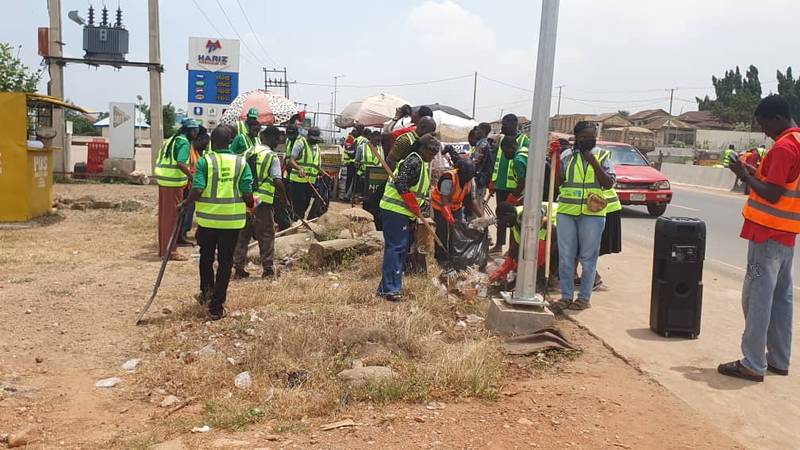
The initiative, titled “Deploying the Power of IT-Engaged Youths in Effective Plastic Use and Plastic Waste Management,” was highlighted during a clean-up exercise in Masaka on Tuesday.
Organized under the DPI–SGP 2.0 Project, the event aimed to foster environmental sustainability, responsible plastic use, and youth-driven solutions to plastic pollution.
DPI CEO Dr. Ibukun Odusote, represented by Programme Officer Mr. Pada Zadunya, explained that the initiative also seeks to encourage cleaner communities.
She added that the exercise was designed to drive behavioral change, promote innovation in plastic waste management, support green enterprise development, and create sustainable youth employment.
“It aims to raise awareness, change behaviors, foster innovation in waste management, support green businesses, and generate opportunities for young people,” she stated.
Odusote commended the support from the United Nations Development Programme-Global Environment Facility Small Grants Programme (UNDP-GEF SGP) Nigeria and the Abuja Environmental Protection Board (AEPB).
She reaffirmed DPI’s commitment to sustaining environmental impact beyond the project’s lifespan.
The Director-General of the Nasarawa State Waste Management and Sanitation Authority (NASWAMSA), Mr. Mohammed Bello-Isa, said the initiative aligns with government efforts to ensure a clean environment.
Represented by Director of Waste Management, Mr. Ishaq Abubakar-Ibrahim, Bello-Isa noted that the exercise would help improve environmental conditions in the area.
He urged residents to see waste as a resource capable of generating income and employment through recycling and waste-to-wealth initiatives.
He highlighted that about 65% of waste is organic and can be processed into manure to support agriculture.
Bello-Isa also noted that plastic recycling offers significant economic opportunities, creating jobs and wealth for residents.
He disclosed support from the Federal Ministry of Environment for a plastic recycling plant in Karu.
Additionally, Dr. Joseph David-Anzaku, NASWAMSA’s Director of Public Health, praised the initiative as timely and impactful.
He warned that indiscriminate waste disposal contributes to the spread of diseases and other public health issues, increasing healthcare costs.
The event included a community clean-up and youth sensitization campaign on sustainable plastic use, recycling, and environmental responsibility.
Participants expressed hope that the initiative would promote sustainable practices and economic opportunities in the plastic value chain.
