


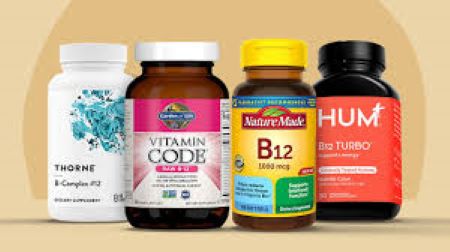
Vitamin B12 is one of the 13 essential vitamins our bodies need to work properly. As a result, it’s common to see it everywhere — from cereal boxes to your favourite energy drinks. It’s also available as a supplement and included in most daily multivitamins.
Key takeaways:
- Vitamin B12 is an essential vitamin. It’s mainly found in animal products, and most people get the recommended amount (about 2.4 mcg daily) from their diet.
- If your vitamin B12 levels are low, your healthcare provider may recommend an over-the-counter (OTC) supplement or prescription form of vitamin B12. A common dose of OTC vitamin B12 is 1,000 mcg each day.
- The risk of vitamin B12 side effects is low — even if you take too much. Your body can only absorb a small amount of vitamin B12 at a time. So any extra leaves your body when you pee.
But how much vitamin B12 do we really need, and what happens if we take too much?
What is vitamin B12?
Vitamin B12, or cobalamin, is one of the eight B vitamins your body needs to function properly. It’s considered an essential vitamin, which means your body can’t make it on its own. Instead, you need to consume vitamin B12 from food or supplements.
You need vitamin B12 for three main roles in the body: making red blood cells, protecting your nerves, and making DNA.
There are several different types of vitamin B12. The most common forms found in supplements include cyanocobalamin, hydroxycobalamin, adenosylcobalamin, and methylcobalamin. There’s no evidence that your body absorbs any one form better than another.
Good to know: Vitamin B12 is mainly found in animal sources, not in plants. So people who follow a vegetarian or vegan diet may have a harder time getting enough vitamin B12 from their food.
How much vitamin B12 do you need each day?
The amount of vitamin B12 you need each day depends on your age. The recommended daily amounts of vitamin B12 are broken down in the chart below:
| Age | Recommended daily amount |
| Birth to 6 months | 0.4 mcg |
| 7-12 months | 0.5 mcg |
| 1-3 years | 0.9 mcg |
| 4-8 years | 1.2 mcg |
| 9-13 years | 1.8 mcg |
| 14 years and older | 2.4 mcg |
| During pregnancy | 2.6 mcg |
| While breastfeeding | 2.8 mcg |
Can you take too much vitamin B12?
Not typically. Vitamin B12 is a water-soluble vitamin. That means your body can easily get rid of any extra you consume through your urine.
To be more specific, your body absorbs vitamin B12 mostly through a protein called intrinsic factor. Intrinsic factor is made by your stomach cells, and it binds to vitamin B12 so your body can absorb it. But intrinsic factor can only bind to a small amount of vitamin B12 at a time. So any extra goes into your urine and leaves the body when you pee.
Are there risks or side effects from high doses of vitamin B12?
Since your body can’t absorb large amounts of B12, it’s not likely that high doses will cause any risks or side effects in healthy people. Two issues — skin-related side effects and an increased cancer risk — have come up in association with high doses of B12. But there’s not enough evidence for either one to be of concern. That being said, there are a few rare cases when high doses of vitamin B12 can be a problem for people with certain health conditions.
Skin-related side effects
Some people have experienced skin-related side effects (acne, rosacea, rash, and flushing) after receiving high doses of vitamin B12 via injection. Examples of high doses include vitamin B12 intravenous infusion treatments or injections into the muscle more than once a week. Skin-related effects seem to be more commonly associated with hydroxocobalamin than cyanocobalamin. Oral vitamin B12 dietary supplements haven’t been connected to these side effects.
However, some injectable vitamin B12 products also contain iodine, so researchers think these reactions could be due to iodine and not B12 itself. At this time, there isn’t enough evidence connecting the two to cause concern.
Increased cancer risk
Some research has suggested that high doses of vitamin B12 may increase cancer risk. Other research makes a link between higher vitamin B12 intake and a decreased cancer risk. Other studies show no association between the two at all.
There simply isn’t enough data right now to know for sure what, if any, link exists between high doses of vitamin B12 and cancer risk.
Health condition-related risks
Although high doses of vitamin B12 aren’t an issue for most healthy people, people with certain health conditions have a higher risk of serious side effects from vitamin B12. These risks are mainly associated with large doses of the prescription form of injectable vitamin B12 (cyanocobalamin). Examples include:
- Megaloblastic anemia: In rare cases, high doses of vitamin B12 can cause low potassium levels and high platelet levels when it’s taken for megaloblastic anemia. Your healthcare provider will likely monitor you for these side effects. But let them know if you have muscle cramps, confusion, or trouble breathing if you’re taking vitamin B12 for this condition.
- Leber’s disease: This condition causes damage to the optic nerve that worsens over time. Vitamin B12 in the form of cyanocobalamin can worsen damage to the optic nerve in people with Leber’s disease. A different form of vitamin B12 is recommended if you have Leber’s disease.
- Kidney problems: Prescription vitamin B12 injections contain small amounts of aluminum. Kidney problems can make it harder to remove aluminum from the body. Large amounts of aluminum are toxic, so it’s best to avoid large doses of injectable B12 if you have kidney problems.
As mentioned, these issues are rare, and your healthcare provider will screen for them before prescribing you vitamin B12. They’ll also watch out for any problems while you’re taking it.
What’s the best way to get enough vitamin B12?
In most cases, your daily diet provides enough vitamin B12. Most adults and children get between 4 mcg to 6 mcg per day. Vitamin B12 in your diet comes from animal sources (such as chicken, milk, and eggs) as well as foods that have been fortified with vitamin B12. Fortified means that vitamin B12 is added to food that wouldn’t naturally contain it. Common examples include non-dairy milk (almond, soy, etc.) and breakfast cereals.
If you need more vitamin B12 than your diet provides, supplements can help make up the difference.
Do you need a vitamin B12 supplement?
It’s best to talk to your healthcare provider before taking any over-the-counter (OTC) vitamins or supplements. They can look at your blood work to see if your levels are where they should be. And if they aren’t, they can help figure out why and recommend the right dose and dosage form for your needs.
That being said, you’re more likely to have low vitamin B12 levels if you:
- Are age 65 or older
- Take metformin (Glucophage)
- Take oral contraceptive pills
- Take acid-reducers such as omeprazole (Prilosec) or famotidine (Pepcid)
- Have health conditions that affect your stomach or bowels, such as celiac disease
- Have had weight-loss surgery
- Have had surgery on your small intestine
- Are vegetarian or vegan (or are an infant breastfed by a vegetarian or vegan)
How much vitamin B12 should you take?
If your vitamin B12 levels are low, a common recommended OTC dose is about 1,000 mcg daily. But your healthcare provider can advise you about how much vitamin B12 you should look for in a supplement.
The amount of vitamin B12 in OTC dietary supplements varies. It’s available in combination with other vitamins and minerals or as a supplement by itself. Typical vitamin B12 amounts are:
- In multivitamin/mineral supplements: 5 mcg to 25 mcg
- In B-complex vitamins: 50 mcg to 500 mcg
- In vitamin B12 supplements: 500 mcg to 5,000 mcg
Keep in mind: Oral tablets are the most common form of vitamin B12 supplement. But if you have a condition or are taking a medication that prevents your body from absorbing vitamin B12, an oral tablet likely won’t work for you. A dissolving tablet or liquid that you place under the tongue is a better option, as they absorb in your mouth — not your stomach.
How much vitamin B12 is in prescription forms?
If your vitamin B12 levels are very low, or OTC supplements don’t work for you, your healthcare provider may recommend a prescription form. There are three main types of prescription vitamin B12 products:
- Cyanocobalamin injection (Dodex): 1000 mcg/mL
- Hydroxocobalamin injection: 1000 mcg/mL
- Cyanocobalamin nasal spray (Nascobal): 500 mcg per spray
Your healthcare provider will give you specific dosing instructions for prescription vitamin B12 medications if you need them.
Vitamin B12 side effects
Vitamin B12 is well-tolerated and has few side effects. In clinical studies, prescription vitamin B12 caused the following side effects in a small number of people taking them:
- Nausea
- Mild diarrhea
- Itchy skin
- Common cold symptoms
More severe side effects are also possible. Like any medication, vitamin B12 can cause allergic reactions in some people. Stop taking it and seek medical care if you develop a body rash, swelling of the mouth and lips, or trouble breathing after taking it.
Vitamin B12 can also cause a rare condition called polycythemia vera, a condition that causes the creation of too many red blood cells. Symptoms develop over time and can include itchy skin, fatigue, and dizziness. Let your provider know if these symptoms happen to you.
What should I do if I accidentally take too much vitamin B12?
If you or a loved one take a large amount of vitamin B12, it’s not likely to be an issue. But it might put your mind at ease to contact your healthcare provider or call Poison Control at 1-800-222-1222 for guidance. If any symptoms seem concerning or life-threatening, seek emergency care right away. There could be something else going on that needs emergency treatment.
The bottom line
Vitamin B12 is an essential vitamin for healthy red blood cells, nerves, and DNA production. You typically get enough of it from animal products in your diet. But if your vitamin B12 levels are low, you may need to take an OTC or prescription supplement.
It’s best to talk to your healthcare provider before taking vitamin B12. They can test your levels and recommend the best dose and dosage form for your needs. But if you take more vitamin B12 than you need, it’s not likely to be an issue. Your body gets rid of any extra vitamin B12 in your urine. So large doses aren’t likely to be harmful for most people.
Written by Stacia Woodcock, PharmD | Analysis by Patricia Pinto-Garcia, MD, MPH
Woodcock, PharmD, is a pharmacy editor for GoodRx. She earned her Doctor of Pharmacy degree from the University of Kentucky and is licensed in New York and Massachusetts and
Pinto-Garcia, MD, MPH, is a medical editor at GoodRx. She is a licensed, board-certified pediatrician with more than a decade of experience in academic medicine.
