


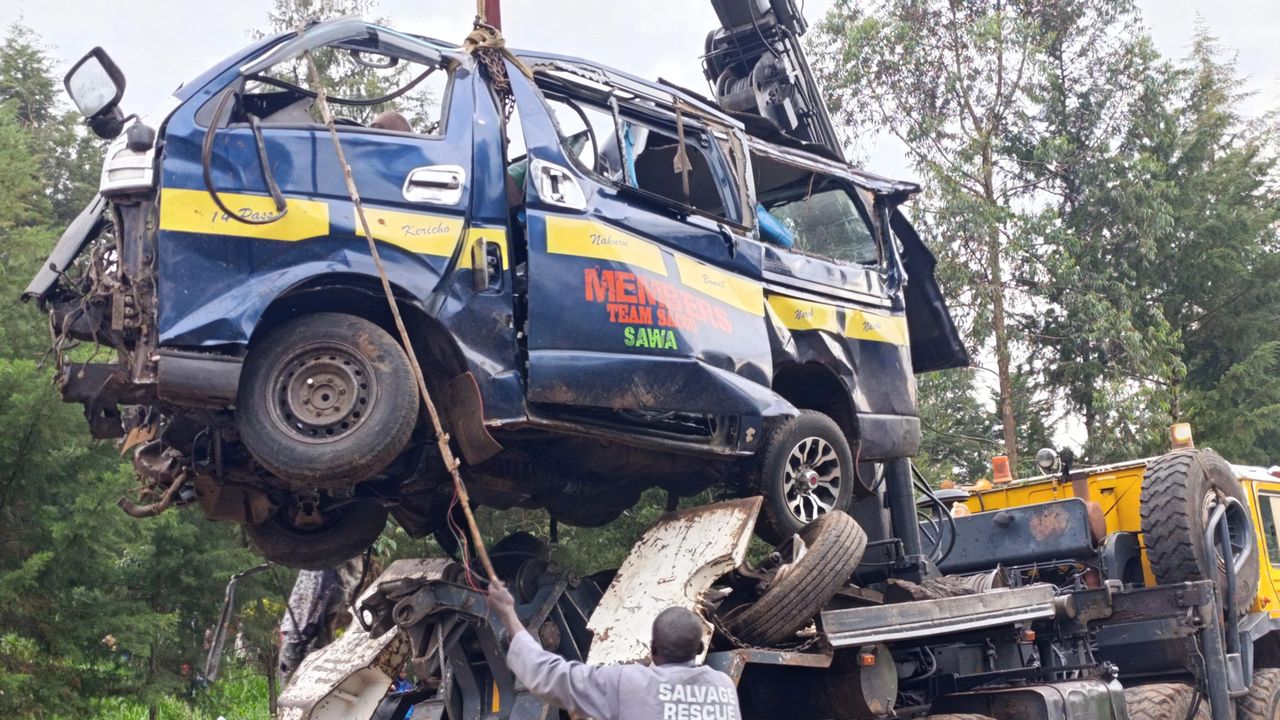
Every year, road traffic crashes claim the lives of approximately 1.19 million people globally, with an additional 20 to 50 million people suffering non-fatal injuries—many of which result in lifelong disabilities, according to the latest global road safety data by the World Health Organization (WHO).
Who is most at risk?
The toll of road traffic injuries falls disproportionately on certain groups. Men are nearly three times more likely to die in road crashes than women, pointing to behavioral and exposure differences in road use. More alarmingly, road traffic injuries remain the leading cause of death for children and young adults, cutting countless lives short during their most productive years.
Vulnerable road users—pedestrians, cyclists, and motorcyclists—account for more than half of all road traffic deaths, a stark reminder of the dangers faced by those outside of protected vehicles. Furthermore, 92% of road traffic fatalities occur in low- and middle-income countries, where infrastructural, regulatory, and emergency care systems often lag behind.
What causes these crashes?
The leading risk factors for road crashes include:
Speeding
Driving under the influence of alcohol or drugs
Non-use of seat-belts, helmets, or child restraints
Distracted driving, including mobile phone use
Unsafe road design and poor infrastructure
Deficient vehicle safety standards
Inadequate post-crash emergency care
Weak enforcement of traffic laws
A preventable tragedy
Experts emphasize that road traffic injuries are largely preventable through a combination of effective interventions. These include:
Designing safer infrastructure and integrating road safety in urban and transport planning
Mandating improved vehicle safety standards
Strengthening post-crash emergency response systems
Strict enforcement of traffic laws related to speeding, seat-belt use, and driving under the influence
Running public awareness campaigns to promote safe driving habits
As the world continues to urbanize and motorize, prioritizing road safety is critical to reducing preventable deaths and injuries on the roads.
