


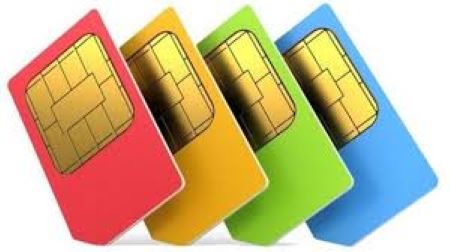
Globacom has partnered with the National Council for Women Societies (NCWS) to expand its “Safe SIM Programme,” aimed at promoting safe internet use among Nigerian children.
The partnership was announced during a meeting with NCWS members in Abuja on Thursday, led by the council’s National President, Princess Edna Azura, alongside senior officials of the telecommunications company.
Head of Operations for the Safe SIM Programme, Mr David Ibrahim, described the initiative as a school-based intervention designed to support children’s learning while protecting them from harmful online content and digital risks.
Ibrahim explained that the specialized SIM card—configured for use in tablets, phones, and similar devices—restricts access to inappropriate websites and creates a safer digital environment for educational engagement.
According to him, the technology was developed in response to growing parental concerns about children’s exposure to pornography, betting platforms, and other unsafe online spaces while using internet-enabled devices for schoolwork or entertainment.
He noted that many parents struggle to monitor their children’s digital activities, and the programme provides a technological safeguard capable of blocking harmful sites through continuous monitoring supported by a dedicated round-the-clock server.
Ibrahim said Globacom is collaborating with key stakeholders nationwide, including faith-based organizations such as the Christian Association of Nigeria, to ensure widespread awareness and responsible digital practices among young users.
He cited research indicating that many Nigerian children aged four to sixteen have already encountered negative online material, stressing the need for proactive systems to prevent long-term social and behavioral consequences.
The official added that the SIM card is not commercially available and can only function after proper configuration, ensuring controlled deployment through schools, religious institutions, and partner organizations involved in child development programmes.
Ibrahim disclosed that although Nigeria has an estimated 50 million children, only about 100,000 Safe SIM units are currently available, underscoring the importance of partnerships like NCWS to scale the initiative responsibly.
He further revealed that the programme includes a complementary digital literacy component known as “TechHeroes,” designed to train children to use technology productively while avoiding harmful platforms and online distractions.
Responding, NCWS President Azura commended the initiative as timely, noting that it provides a secure, child-friendly communication framework aligned with efforts to safeguard the welfare and future of Nigerian children.
Azura observed that while digital technology has become essential for learning, communication, and social interaction, it also introduces risks such as cyberbullying, exploitation, and exposure to inappropriate content—requiring structured protective measures.
She emphasized that child protection remains a shared responsibility, adding that collaboration between the private sector and civil society demonstrates how innovation can be harnessed to empower children while ensuring their safety online.
