

• Home
  • Agric
  • Sci & Tech
  • Health
  • Environment
  • Hausa News
  • More
    • Business/Banking & Finance
    • POLITICS
    • Entertainments & Sports
    • International
    • Investigation
    • Law & Human Rights
    • Africa
    • ACCOUNTABILITY/CORRUPTION
    • Hassan Gimba
    • Column
    • Prof. Jibrin Ibrahim
    • Prof. M.K. Othman
    • Defense/Security
    • Education
    • Energy/Electricity
    • Entertainment/Arts & Sports
    • Society and Lifestyle
    • Food & Agriculture
    • Health & Healthy Living
    • International News
    • Interviews
    • Investigation/Fact-Check
    • LAW & HUMAN RIGHTS
    • Oil & Gas/Mineral Resources
    • PRESS FREEDOM/JOURNALISM/PR
    • General News
    • Presidency
  • About Us
    • Contact Us
    • Board Of Advisory
    • Privacy Policy
    • Ethics Policy
    • Teamwork And Collaboration Policy
    • Fact-Checking Policy
    • Advertising
  • Media OutReach Newswire
    • Wire News
  • The Stories
Facebook Twitter Instagram
Trending
  • Aliyu dares opposition to showcase achievements in power
  • How Wakaso turns personal mental health struggles into lifeline for women in Niger
  • Abuja DStv, GOtv users decry outages, seek compensation
  • Canada commits C$80m to DRC Ebola response
  • BOSCHMA urges hospitals to expand electronic health records use
  • NDLEA urges early action, family support to curb drug abuse
  • Naira eyes sub-N1,300/$ rate as FX supply strengthens
  • CEC raises renewable energy generation by 97% to 158.78 GWh, cuts carbon emissions
Facebook Twitter Instagram YouTube
AsheNewsAsheNews
  • Home
  • Agric

    Zamfara L-PRES joins review mission to boost livestock delivery

    October 10, 2026

    NAFN urges Tinubu to attend 2026 agricultural show

    October 9, 2026

    Inyang’s election puts Nigeria at forefront of global oil palm smallholder movement

    October 9, 2026

    Expert urges climate-smart farming to boost output

    October 9, 2026

    Bauchi ministry condemns contact chemicals for grain preservation

    October 9, 2026
  • Sci & Tech

    Abuja DStv, GOtv users decry outages, seek compensation

    October 10, 2026

    Zambia’s biosafety agency, DSaT call for science-based approach to grow country’s agenda

    October 10, 2026

    UNDP, Cisco partner to boost digital skills for young Nigerians

    October 10, 2026

    AI surge poses new risks, BIS head says

    October 9, 2026

    Kogi leverages satellite intelligence to curb insecurity – Adviser

    October 8, 2026
  • Health

    How Wakaso turns personal mental health struggles into lifeline for women in Niger

    October 10, 2026

    Canada commits C$80m to DRC Ebola response

    October 10, 2026

    BOSCHMA urges hospitals to expand electronic health records use

    October 10, 2026

    NDLEA urges early action, family support to curb drug abuse

    October 10, 2026

    Kogi health ministry commends sightsavers for white cane donation

    October 9, 2026
  • Environment

    CEC raises renewable energy generation by 97% to 158.78 GWh, cuts carbon emissions

    October 10, 2026

    FG, NBA urge faster project delivery to boost livelihoods in Niger Basin

    October 10, 2026

    LASTMA rescues motorist after car-train crash in Oshodi

    October 9, 2026

    Ojokoro LCDA chair urges residents to collect PVCs

    October 9, 2026

    FAAN to temporarily close Owerri airport runway for repairs

    October 9, 2026
  • Hausa News

    UNA signs MoU to launch air Bissau in Guinea-Bissau

    June 15, 2026

    Otti plans 250-room 5-star hotel in Umuahia

    April 11, 2026

    Anti-quackery task force seals 4 fake hospitals in Rivers

    August 29, 2025

    [BIDIYO] Yadda na lashe gasa ta duniya a fannin Ingilishi – Rukayya ‘yar shekara 17

    August 6, 2025

    A Saka Baki, A Sasanta Saɓani Tsakanin ‘Yanjarida Da Liman, Daga Muhammad Sajo

    May 21, 2025
  • More
    1. Business/Banking & Finance
    2. POLITICS
    3. Entertainments & Sports
    4. International
    5. Investigation
    6. Law & Human Rights
    7. Africa
    8. ACCOUNTABILITY/CORRUPTION
    9. Hassan Gimba
    10. Column
    11. Prof. Jibrin Ibrahim
    12. Prof. M.K. Othman
    13. Defense/Security
    14. Education
    15. Energy/Electricity
    16. Entertainment/Arts & Sports
    17. Society and Lifestyle
    18. Food & Agriculture
    19. Health & Healthy Living
    20. International News
    21. Interviews
    22. Investigation/Fact-Check
    23. LAW & HUMAN RIGHTS
    24. Oil & Gas/Mineral Resources
    25. PRESS FREEDOM/JOURNALISM/PR
    26. General News
    27. Presidency
    Featured
    Recent

    Aliyu dares opposition to showcase achievements in power

    October 10, 2026

    How Wakaso turns personal mental health struggles into lifeline for women in Niger

    October 10, 2026

    Abuja DStv, GOtv users decry outages, seek compensation

    October 10, 2026
  • About Us
    1. Contact Us
    2. Board Of Advisory
    3. Privacy Policy
    4. Ethics Policy
    5. Teamwork And Collaboration Policy
    6. Fact-Checking Policy
    7. Advertising
    Featured
    Recent

    Aliyu dares opposition to showcase achievements in power

    October 10, 2026

    How Wakaso turns personal mental health struggles into lifeline for women in Niger

    October 10, 2026

    Abuja DStv, GOtv users decry outages, seek compensation

    October 10, 2026
  • Media OutReach Newswire
    • Wire News
  • The Stories
AsheNewsAsheNews
Home»Health & Healthy Living»BudgIT report highlights Nigeria’s health sector funding gaps, infrastructure deficit 
Health & Healthy Living

BudgIT report highlights Nigeria’s health sector funding gaps, infrastructure deficit 

EditorBy EditorOctober 29, 2024Updated:October 29, 2024No Comments5 Mins Read
cholera
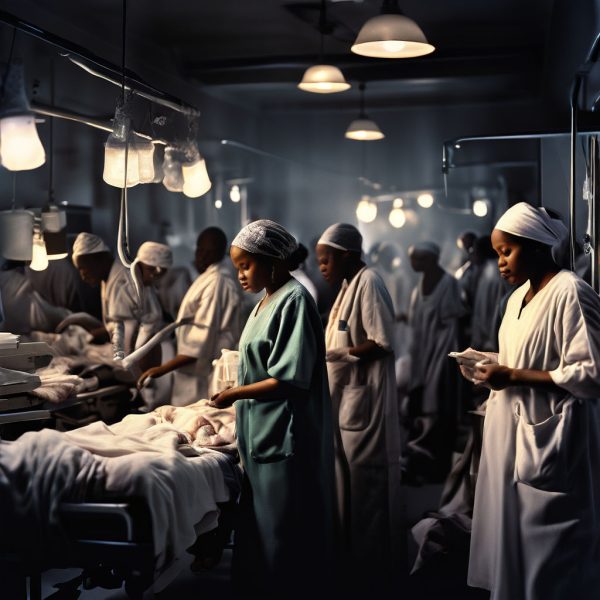
AI Generated image
Share
Facebook Twitter LinkedIn Pinterest Email

BudgIT, a leading civic-tech organisation, in its 2024 “State of States” report, has revealed critical insights into the state of healthcare funding and infrastructure across Nigeria.

The Head, of Research and Policy Advisory, Budgit, Mr Iniobong Usen made the revelation on Tuesday in Abuja at the inauguration of the report, with the theme ”Moving Healthcare Delivery from Suboptimal to Optimal.”

The state of states is an annual comparative assessment of the fiscal performance and position of the 36 states.

The first edition of the research was conducted in 2017, and there have been four other editions after that.

The report looks at how states can finance their budgets with revenues generated internally; how they are prioritising investments in human capital development, and the sustainability of their borrowings.

While analysing the fiscal challenges of Nigeria’s 36 states’ economic volatility, and budget credibility, the report focuses on public healthcare investments and the fiscal challenges affecting Nigeria’s healthcare systems.

Usen said that the report underlined the pressing health challenges facing Nigerian states, spotlighting significant fiscal, infrastructural, and manpower gaps that continue to hinder effective healthcare delivery.

“The report indicates that while all 36 states collectively allocated N2.3 trillion to healthcare, actual spending amounted to only N1.39 trillion, translating to a 58.16 per cent budget performance.

“This discrepancy highlights an ongoing trend of underutilised budgets in the health sector where earmarked funds fail to translate into actionable healthcare improvements.

“Additionally, nine states, including Edo, Ekiti, and Ogun showed no recorded expenditure on medical equipment in their 2023 budget reports, underscoring further gaps in infrastructure investment,” he said.

He said that BudgIT’s findings signalled an urgent need for more robust and transparent budget execution frameworks, ensuring that allocated funds are fully utilised. 

“For healthcare delivery to be optimised, budget allocation must correspond to actual spending with a focus on tangible improvements,” he said. 

He said that the report also brought to light Nigeria’s healthcare infrastructure deficits, particularly in primary healthcare (PHC) facilities, which account for 74.08 per cent of government-owned health facilities nationwide.

According to him, the National Health Facility Registry records 27,022 PHCs serving an average of 8,960 people per facility, close to the World Health Organisation’s (WHO) recommended ratio of one PHC per 10,000 people.

He said that the uneven distribution of these facilities across states, and inadequate funding have exacerbated service delivery issues, with several communities lacking access to basic healthcare.

Adding to this strain, he said that only 10.9 per cent of health facilities in Bauchi State have at least one general medical doctor.

“Taraba State’s doctor-to-patient ratio is particularly alarming, with just 201 doctors serving over 4 million people—equivalent to one doctor for every 17,959 residents, significantly below the WHO-recommended 1:600 ratio,” he disclosed

He said that the report also highlighted Nigeria’s battle with infectious diseases, which place a considerable burden on states’ healthcare resources.

“In Borno State, malaria cases peaked at 527,305 in 2023, with over 15,000 classified as severe.

“Other diseases, including cholera, tuberculosis (with 32,297 cases reported in Kaduna State), and measles, continue to challenge healthcare capacities, particularly in Northern states where these outbreaks are more prevalent,” he said.

He said that while battling these diseases, states faced severe shortages in medical supplies, drugs, and qualified personnel.

“For instance, the report found that many facilities lack basic drugs and supplies essential for managing both chronic and infectious diseases.

“The underfunding of essential health needs, compounded by an inadequate supply of healthcare professionals, is preventing Nigerian states from mounting effective responses to both preventable and contagious diseases,” he said.

To address these challenges, the BudgIT official recommended a strategic realignment of states’ revenue mobilisation towards health sector investments.

He said that the report underscored the need for states to reduce dependency on federally distributed revenue and adopt sustainable funding practices, including increased Internally Generated Revenue (IGR) and public-private partnerships for health financing.

He further called for greater accountability in debt management and spending, to ensure that borrowed funds are allocated to impactful healthcare projects with measurable returns.

Additionally, he advocated for improvements in primary healthcare facilities and personnel recruitment, particularly in rural and underserved areas, to enhance healthcare accessibility for Nigeria’s growing population.

Senior Program Officer, Bill and Melinda Gates Foundation, Dr Mojisola Odeku, said that the foundation was aligning with Nigeria’s priorities to drive human capital development, particularly through health, gender equality, education, and digital infrastructure.

Odeku said that health, as the foundation for advancing human capital, was critical for reducing vaccine-preventable diseases and strengthening reproductive, maternal, newborn, child, and nutrition (RMNCH) outcomes.

“Beyond health, we underline gender equality and literacy, especially empowering women, who are crucial in managing household economics and driving community-level change.

“Sustainable accountability at both the government and community levels is essential, advocating for optimal use of existing resources, rather than solely relying on increased funding.

“With a focus on food security, agricultural transformation, and digital public infrastructure, we seek to support Nigeria’s vision holistically, advancing solutions aligned with community-driven accountability and trust in primary health care,” she said.

She said that this encapsulated the foundation’s commitment to supporting Nigeria’s human capital priorities by bolstering health systems, promoting gender equality, optimising resources, and enhancing digital infrastructure.

The 2024 State of States Report serves as a call to action for Nigerian states to prioritise healthcare spending and management.

With infrastructure shortfalls, a severe shortage of medical personnel, and escalating disease outbreaks, Nigerian states must adopt innovative fiscal strategies to build a more resilient health system.

BudgIT’s findings underscore the necessity for immediate, targeted investments in healthcare to bridge the current gaps and move toward sustainable, equitable healthcare delivery across Nigeria.

NAN

BudgIT healthcare funding Infrastrure
Share. Facebook Twitter Pinterest LinkedIn WhatsApp Reddit Tumblr Email
Editor
  • Website

Related Posts

How Wakaso turns personal mental health struggles into lifeline for women in Niger

October 10, 2026

Canada commits C$80m to DRC Ebola response

October 10, 2026

BOSCHMA urges hospitals to expand electronic health records use

October 10, 2026

Leave A Reply Cancel Reply

Aliyu dares opposition to showcase achievements in power

October 10, 2026

How Wakaso turns personal mental health struggles into lifeline for women in Niger

October 10, 2026

Abuja DStv, GOtv users decry outages, seek compensation

October 10, 2026

Canada commits C$80m to DRC Ebola response

October 10, 2026
About Us
About Us

ASHENEWS (AsheNewsDaily.com), published by PenPlus Online Media Publishers, is an independent online newspaper. We report development news, especially on Agriculture, Science, Health and Environment as they affect the under-reported rural and urban poor.

We also conduct investigations, especially in the areas of ASHE, as well as other general interests, including corruption, human rights, illicit financial flows, and politics.

Contact Info:
  • 1st floor, Dogon Daji House, No. 5, Maiduguri Road, Sokoto
  • +234(0)7031140009
  • ashenewsdaily@gmail.com
Facebook Twitter Instagram Pinterest
© 2026 All Rights Reserved. ASHENEWS Daily Designed & Managed By DeedsTech

Type above and press Enter to search. Press Esc to cancel.