


No fewer than 342,919 children under two years old in Benue State are stunted, representing 25 per cent of the 1,371,676 children in that age bracket.
The Benue State Nutrition Officer, Dr Faustina Shar, also revealed that 699,554 children, representing 51 per cent, are anaemic.
Shar disclosed these figures on Wednesday during a two-day Joint Inception and Planning Meeting on preventing malnutrition in the first 1,000 days of life.
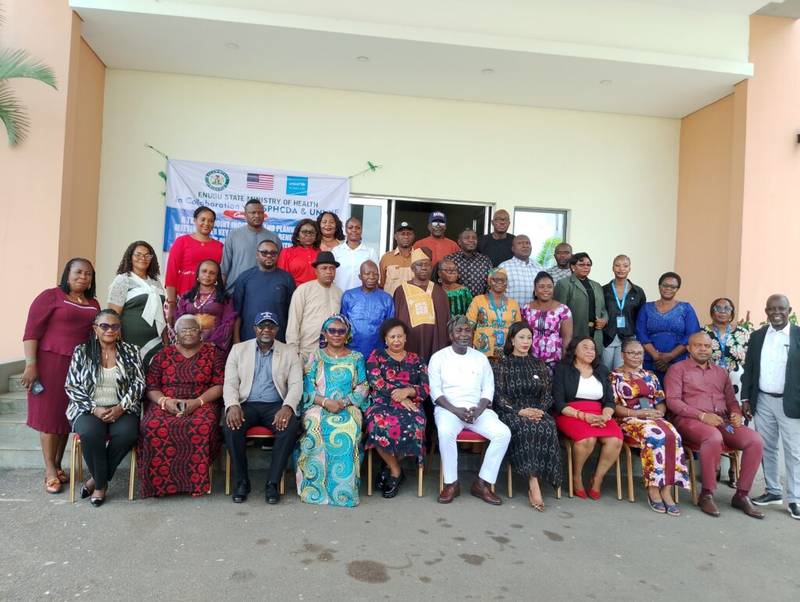
The meeting, held in Awka, was organised by UNICEF in collaboration with the Enugu and Benue State Governments, with funding from the United States.
Shar described the growing burden of malnutrition as a major public health concern that requires urgent and coordinated multi-sectoral intervention.
“Nutrition remains a critical component of development,” she said.
She explained that proper nutrition improves infant, child, adolescent and maternal health, strengthens immunity, and ensures safer pregnancy and childbirth outcomes.
According to her, good nutrition also reduces the risk of non-communicable diseases and enhances long-term human development and productivity.
Shar warned that malnutrition continues to limit the potential of millions globally, with effects spanning generations and undermining economic growth and human capital development.
She identified poverty, poor access to nutritious foods, weak sanitation and hygiene, ignorance, and harmful breastfeeding beliefs as major causes of malnutrition.
The nutrition officer also listed insecurity, poor food production methods, large family sizes, and weak healthcare and road infrastructure as contributing factors.
She noted that malnutrition remains a serious threat to Nigeria’s development, particularly among children under five years.
According to Shar, malnutrition contributes to poor cognitive development, weak immunity, and low educational attainment among affected children.
On maternal health, she said only 49.1 per cent of pregnant women in Benue attended at least four antenatal care visits, while 33.2 per cent did not attend any antenatal care throughout pregnancy.
Shar further disclosed that 63.9 per cent of women received iron, folic acid or multiple micronutrient supplements during pregnancy, and 29.47 per cent of women of reproductive age were anaemic.
She expressed concern over the declining breastfeeding practices in the state.
“Early breastfeeding declined from 47.4 per cent in 2021 to 29.4 per cent in 2024. Exclusive breastfeeding also dropped from 56.8 per cent to 39.9 per cent within the same period,” she said.
Shar added that only 16 per cent of children aged 6 to 23 months received minimum dietary diversity, while 36.8 per cent met the minimum meal frequency requirement.
She said stunting prevalence stood at 25.3 per cent, wasting at 6.7 per cent, Vitamin A supplementation coverage declined from 62 per cent in 2018 to 45.1 per cent in 2024, and only 21.7 per cent of children aged 12 to 59 months were dewormed.
Benue Commissioner for Health and Human Services, Dr Paul Ogwuche, described the state’s malnutrition rate as unfortunate and deeply concerning.
Ogwuche said the government recognised the importance of the first 1,000 days of a child’s life and remained committed to improving the nutritional well-being of women and children.
He pledged that the Benue Government would implement strategies discussed at the meeting to tackle malnutrition and improve healthcare outcomes.
Ogwuche commended UNICEF and the United States government for their support.
Earlier, UNICEF Chief of Field Office in Enugu, Mrs Juliet Chiluwe, stressed the importance of investing in children during their first 1,000 days, describing the period as critical to lifelong health, development and future productivity.
She reaffirmed UNICEF’s commitment to supporting Benue and Enugu states in addressing malnutrition and improving child and maternal health outcomes.
