


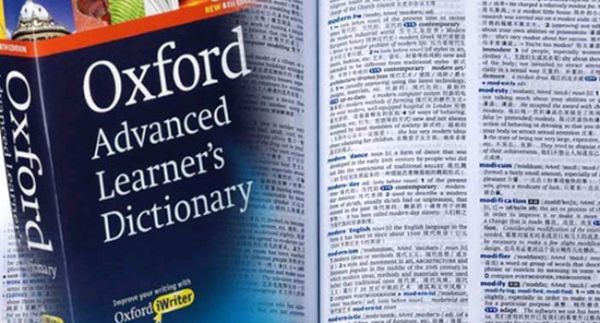
The Oxford English Dictionary (OED) has updated its glossary to include several Nigerian-originated words, among them “mammy market,” “nyash,” and “amala.”
The December 2025 update, released on the OED website on Wednesday, features more than 500 new words, phrases, and grammatical forms, reflecting the growing global influence of Nigerian language, culture, and cuisine.
Other Nigerian-originated words added to the dictionary include “moi moi,” “abeg,” “biko,” and “Ghana Must Go.” Internet slang such as “DM,” “brainfart,” and “chug” also appeared in the update.
In addition to new entries, more than 1,000 existing definitions were revised, while editors explored the historical development of words such as “troll,” “coffee,” and “snooker.”
According to the OED, the update draws from varieties of English spoken around the world, including West African English, Maltese English, Japanese English, and South Korean English, underscoring the expanding global footprint of non-British and non-American Englishes.
Among the Nigerian additions is “Afrobeats,” defined as “a style of popular music incorporating elements of West African music and of jazz, soul, and funk.”
The dictionary defines “abeg” as an interjection used to express a range of emotions depending on context, including surprise, exasperation, or disbelief. “Biko,” originally from the Igbo language, is described as an adverb and interjection used in polite requests or agreement, or to add emphasis or urgency, meaning “please.”
“Nyash” is defined as “a person’s (especially a woman’s) buttocks; the bottom; the backside.”
The update also includes “Ghana Must Go,” the popular name for the large, chequered plastic bags widely used across West Africa. The term traces its origin to the 1983 mass expulsion of undocumented Ghanaian migrants from Nigeria. It is defined as “a large, zippered bag made of durable plastic with a colourful check pattern, often used for carrying one’s belongings.”
The term “mammy market” is recognised as “a market typically run by women, originally found in military barracks but later also in youth service camps and educational institutions.”
In the category of cuisine, the dictionary added “amala,” a staple food made from yam, cassava, or unripe plantain flour, defined as “a kind of dough typically formed into a ball and served as an accompaniment to other dishes.” Also included is “moi moi,” a dish originating among the Yoruba people, described as “beans ground into a smooth paste and mixed with peppers, onions, and other ingredients.”
Earlier, in January 2025, the Oxford English Dictionary expanded its lexicon with 20 Nigerian words and expressions, highlighting the growing influence of Nigerian English, Pidgin, and street slang on global vocabulary. The additions included everyday terms such as “japa,” “agbero,” and “eba,” another cassava-based staple food.
Other entries, such as “419,” referring to internet fraud, and “abi,” a common conversational tag, were also included.
