

• Home
  • Agric
  • Sci & Tech
  • Health
  • Environment
  • Hausa News
  • More
    • Business/Banking & Finance
    • Politics/Elections
    • Entertainments & Sports
    • International
    • Investigation
    • Law & Human Rights
    • Africa
    • ACCOUNTABILITY/CORRUPTION
    • Hassan Gimba
    • Column
    • Prof. Jibrin Ibrahim
    • Prof. M.K. Othman
    • Defense/Security
    • Education
    • Energy/Electricity
    • Entertainment/Arts & Sports
    • Society and Lifestyle
    • Food & Agriculture
    • Health & Healthy Living
    • International News
    • Interviews
    • Investigation/Fact-Check
    • Judiciary/Legislature/Law & Human Rights
    • Oil & Gas/Mineral Resources
    • Press Freedom/Media/PR/Journalism
    • General News
    • Presidency
  • About Us
    • Contact Us
    • Board Of Advisory
    • Privacy Policy
    • Ethics Policy
    • Teamwork And Collaboration Policy
    • Fact-Checking Policy
    • Advertising
  • Media OutReach Newswire
    • Wire News
  • The Stories
Facebook Twitter Instagram
Trending
  • Cocoa farmers push for local processing factories
  • Faith leaders call for just energy transition in Nigeria
  • Drunken passenger forces plane to land in Germany
  • Association endorses federal govt support programme for cancer patients
  • Kebbi vulcanisers chairman trains 48 apprentices, earns Up to ₦30,000 daily
  • Sightsavers mobilises 87 district heads to administer Azithromycin to 1.2m children in Sokoto
  • AFAN blames middlemen, high transport costs for rising food prices
  • Court convicts ex-Power Minister Mamman over N33bn fraud
Facebook Twitter Instagram YouTube
AsheNewsAsheNews
  • Home
  • Agric

    Cocoa farmers push for local processing factories

    May 7, 2026

    AFAN blames middlemen, high transport costs for rising food prices

    May 7, 2026

    Lagos resident lament soaring tomato prices

    May 6, 2026

    FG unveils 2025–2030 revised national gender policy on agrifood systems

    May 6, 2026

    High fertiliser prices threaten 2026 farming season in Bauchi

    May 5, 2026
  • Sci & Tech

    Nigeria ranks among top AI-adopting nations

    May 7, 2026

    UBA, MTN MoMo, RedTech unveil cardless payment solution

    May 6, 2026

    Uganda unveils first homegrown biotech livestock vaccine, targets regional leadership

    May 3, 2026

    Samsung revenue jumps 43% in Q1

    May 1, 2026

    AfricaX summit to support commercialisation of innovations

    April 30, 2026
  • Health

    Association endorses federal govt support programme for cancer patients

    May 7, 2026

    Sightsavers mobilises 87 district heads to administer Azithromycin to 1.2m children in Sokoto

    May 7, 2026

    Lagos signs 10-year primary health care compact

    May 7, 2026

    Benue children stunted as malnutrition worsens — Nutrition officer

    May 7, 2026

    Lagos faces 500-year doctor shortage without urgent action — Commissioner warns

    May 7, 2026
  • Environment

    Faith leaders call for just energy transition in Nigeria

    May 7, 2026

    FG to close 1 carriageway of Eko bridge for repairs

    May 7, 2026

    Oyo introduces daily environmental sanitation enforcement

    May 6, 2026

    Shettima reaffirms FG commitment to humanitarian response

    May 6, 2026

    Lagos bridge crash kills 1, injures 4

    May 5, 2026
  • Hausa News

    Otti plans 250-room 5-star hotel in Umuahia

    April 11, 2026

    Anti-quackery task force seals 4 fake hospitals in Rivers

    August 29, 2025

    [BIDIYO] Yadda na lashe gasa ta duniya a fannin Ingilishi – Rukayya ‘yar shekara 17

    August 6, 2025

    A Saka Baki, A Sasanta Saɓani Tsakanin ‘Yanjarida Da Liman, Daga Muhammad Sajo

    May 21, 2025

    Dan majalisa ya raba kayan miliyoyi a Funtuwa da Dandume

    March 18, 2025
  • More
    1. Business/Banking & Finance
    2. Politics/Elections
    3. Entertainments & Sports
    4. International
    5. Investigation
    6. Law & Human Rights
    7. Africa
    8. ACCOUNTABILITY/CORRUPTION
    9. Hassan Gimba
    10. Column
    11. Prof. Jibrin Ibrahim
    12. Prof. M.K. Othman
    13. Defense/Security
    14. Education
    15. Energy/Electricity
    16. Entertainment/Arts & Sports
    17. Society and Lifestyle
    18. Food & Agriculture
    19. Health & Healthy Living
    20. International News
    21. Interviews
    22. Investigation/Fact-Check
    23. Judiciary/Legislature/Law & Human Rights
    24. Oil & Gas/Mineral Resources
    25. Press Freedom/Media/PR/Journalism
    26. General News
    27. Presidency
    Featured
    Recent

    Cocoa farmers push for local processing factories

    May 7, 2026

    Faith leaders call for just energy transition in Nigeria

    May 7, 2026

    Drunken passenger forces plane to land in Germany

    May 7, 2026
  • About Us
    1. Contact Us
    2. Board Of Advisory
    3. Privacy Policy
    4. Ethics Policy
    5. Teamwork And Collaboration Policy
    6. Fact-Checking Policy
    7. Advertising
    Featured
    Recent

    Cocoa farmers push for local processing factories

    May 7, 2026

    Faith leaders call for just energy transition in Nigeria

    May 7, 2026

    Drunken passenger forces plane to land in Germany

    May 7, 2026
  • Media OutReach Newswire
    • Wire News
  • The Stories
AsheNewsAsheNews
Home»Food & Agriculture»VIEWPOINT: I used to take cassava for granted – but it could help to wean the world off wheat
Food & Agriculture

VIEWPOINT: I used to take cassava for granted – but it could help to wean the world off wheat

EditorBy EditorMay 29, 2022No Comments4 Mins Read
Cassava
Cassava
Share
Facebook Twitter LinkedIn Pinterest Email

By Chiedozie Egesi

The hardy root crop could be part of the solution to the grain supply challenges aggravated by the Ukraine war

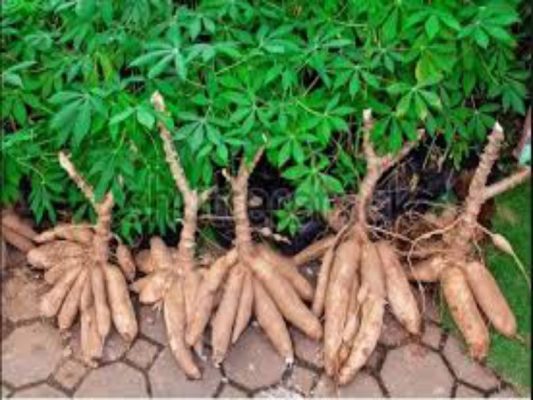
Cassava is a shrubby root that can produce a good harvest even in hot, dry conditions that kill off other crops.

Growing up in Nigeria, a staple of our family dinner table was a doughy dish called fufu. In the US or Europe, fufu would be called a dumpling. The difference is that dumplings, typically made with wheat flour in the northern hemisphere, in Nigeria are made from cassava flour.

I think about this crucial difference as the escalating food crisis in Ukraine exposes a dangerous global dependence on a single commodity: wheat. Nigeria, for example, is the world’s sixth largest wheat importer, with a significant portion coming from Ukraine and Russia. Like many African countries, Nigeria is bracing for the impact of surging wheat prices.

In response, the African Development Bank has ear-marked a whopping US $1 billion to boost wheat production across Africa. But it would be wise to spend a significant portion of this money on the continent’s most reliable crop, cassava.

Nigeria is the world’s largest cassava producer and it is playing a huge role in a revolution of sorts. This shrubby, hardy root crop looks nothing like wheat, though cassava flour is often used as an alternative to wheat flour and has a wide range of other uses. There’s even cassava beer. Moreover, if you think of wheat dependence as the food equivalent of oil dependence, cassava can help the world address a longstanding need for different sources of caloric fuel – because the food crisis we are now experiencing did not originate with the war in Ukraine. For the past decade, the combination of food production challenges from the climate crisis, severe crop diseases, armed conflicts and the Covid pandemic have caused a steady increase in hunger and poverty.

Cassava can make an important contribution towards shock-proofing global food systems. Especially in sub-Saharan Africa where it is already the fourth most important source of daily calories. Cassava can produce a good harvest in hot, dry conditions that kill off other crops. That makes it ideal for adapting to stressful growing conditions caused by the climate emergency, such as the series of droughts now impoverishing millions of agriculture-dependent people in east Africa.

While it is one of the most world’s most sustainable food crops, cassava also has been one of the most neglected. When I started my career as a crop scientist, I had little interest in it. My parents grew cassava on the small farm they kept to supplement their teachers’ salaries and I had enormous respect for the crop, seeing how, in years when our maize crop was poor, our cassava never wavered. So when I was offered a position as a cassava breeder with Nigeria’s National Root Crops Research Institute (NRCRI), I took it.

Now, I consider myself a cassava evangelist. I have been fortunate to arrive on the cassava scene when support has finally started to increase. Cassava breeders in Africa now have access to advanced tools that can screen varieties to quickly identify plants with valuable genetic traits, such as resistance to disease or improving a particular taste or texture.

I have also seen a global network of cassava enthusiasts emerge. There are now more than 1,000 – including experts from South America, where cassava originated, and Asia, where there is significant interest in the crop – interacting through an open data platform called CassavaBase. It’s a virtual community that explores the results of field trials and contributes to a data bank cataloguing cassava’s genetic diversity. Cassava breeders are also moving beyond the science world to develop partnerships with farmers and social scientists. For example, a significant portion of cassava producers in Africa are women and we’re learning that the qualities they value in cassava can be different from men.

I’m not claiming that cassava is the cure for all that ails the global food system. However, I do believe it can contribute to much-needed diversity.

Outside Africa, many people only encounter cassava hidden in a dessert – it is the main ingredient in tapioca pudding – or in gluten-free products. But I would encourage more people to enjoy cassava in their daily diets – it could be a crucial step towards shaking the world’s destabilising dependence on wheat.

Egesi is project director of the Next Generation Cassava Breeding Project, senior scientist at the International Institute of Tropical Agriculture (IITA), and adjunct professor of plant breeding and genetics at Cornell University.

Cassava Chiedozie Egesi Cornell University IITA National Roots Crops Research Institute Next Generation Cassava Breeding Project Russia-Ukraine War Wheat
Share. Facebook Twitter Pinterest LinkedIn WhatsApp Reddit Tumblr Email
Editor
  • Website

Related Posts

Cocoa farmers push for local processing factories

May 7, 2026

AFAN blames middlemen, high transport costs for rising food prices

May 7, 2026

Lagos resident lament soaring tomato prices

May 6, 2026

Leave A Reply Cancel Reply

Cocoa farmers push for local processing factories

May 7, 2026

Faith leaders call for just energy transition in Nigeria

May 7, 2026

Drunken passenger forces plane to land in Germany

May 7, 2026

Association endorses federal govt support programme for cancer patients

May 7, 2026
About Us
About Us

ASHENEWS (AsheNewsDaily.com), published by PenPlus Online Media Publishers, is an independent online newspaper. We report development news, especially on Agriculture, Science, Health and Environment as they affect the under-reported rural and urban poor.

We also conduct investigations, especially in the areas of ASHE, as well as other general interests, including corruption, human rights, illicit financial flows, and politics.

Contact Info:
  • 1st floor, Dogon Daji House, No. 5, Maiduguri Road, Sokoto
  • +234(0)7031140009
  • ashenewsdaily@gmail.com
Facebook Twitter Instagram Pinterest
© 2026 All Rights Reserved. ASHENEWS Daily Designed & Managed By DeedsTech

Type above and press Enter to search. Press Esc to cancel.