

• Home
  • Agric
  • Sci & Tech
  • Health
  • Environment
  • Hausa News
  • More
    • Business/Banking & Finance
    • Politics/Elections
    • Entertainments & Sports
    • International
    • Investigation
    • Law & Human Rights
    • Africa
    • ACCOUNTABILITY/CORRUPTION
    • Hassan Gimba
    • Column
    • Prof. Jibrin Ibrahim
    • Prof. M.K. Othman
    • Defense/Security
    • Education
    • Energy/Electricity
    • Entertainment/Arts & Sports
    • Society and Lifestyle
    • Food & Agriculture
    • Health & Healthy Living
    • International News
    • Interviews
    • Investigation/Fact-Check
    • Judiciary/Legislature/Law & Human Rights
    • Oil & Gas/Mineral Resources
    • Press Freedom/Media/PR/Journalism
    • General News
    • Presidency
  • About Us
    • Contact Us
    • Board Of Advisory
    • Privacy Policy
    • Ethics Policy
    • Teamwork And Collaboration Policy
    • Fact-Checking Policy
    • Advertising
  • Media OutReach Newswire
    • Wire News
  • The Stories
Facebook Twitter Instagram
Trending
  • NIA, NAICOM mourn death of Rotimi Edu
  • Association warns drivers on highway recklessness
  • FCT actors guild begins membership cleanup
  • Lagos urges Heightened vigilance against lassa fever
  • NAFDAC clears BON bread of mould controversy
  • Association warns against consuming fungus-infested tomatoes
  • NDLEA intercepts UK, Australia-bound drugs, destroys 65,000kg skunk
  • Nigeria to gain big from China zero-tariff policy
Facebook Twitter Instagram YouTube
AsheNewsAsheNews
  • Home
  • Agric

    Association warns against consuming fungus-infested tomatoes

    May 17, 2026

    LIFE-ND trains farmers in basic bookkeeping

    May 15, 2026

    Lagos to launch food security hub in 2026

    May 15, 2026

    FG to use microchips for nationwide livestock identification

    May 15, 2026

    Aquaculture experts urge fish farmers to reduce middlemen dependence

    May 14, 2026
  • Sci & Tech

    Association commits to bridging tech gap, strengthening STEM partnerships

    May 14, 2026

    Lagos to establish cybersecurity operations centre

    May 13, 2026

    ECOWAS pushes information integrity

    May 13, 2026

    NSE urges engineers to join politics

    May 13, 2026

    Moniepoint deepens investment in women’s tech talent development

    May 11, 2026
  • Health

    Lagos urges Heightened vigilance against lassa fever

    May 17, 2026

    Fight hypertension together, says NHS president

    May 17, 2026

    International alert launches women mediators network in Sokoto

    May 16, 2026

    UN women screens film on women’s inclusion

    May 16, 2026

    NAPTIP secures life imprisonment for 2 guards over serial rape of 6-year-old

    May 16, 2026
  • Environment

    FCT actors guild begins membership cleanup

    May 17, 2026

    Lagos promotes digital building permit system

    May 16, 2026

    Association denies approving 40% peculiar allowance for civil servants

    May 14, 2026

    NEMA launches 2026 national disaster preparedness campaign

    May 13, 2026

    Adamawa warns against farming, building on waterways ahead of 2026 rains

    May 13, 2026
  • Hausa News

    Otti plans 250-room 5-star hotel in Umuahia

    April 11, 2026

    Anti-quackery task force seals 4 fake hospitals in Rivers

    August 29, 2025

    [BIDIYO] Yadda na lashe gasa ta duniya a fannin Ingilishi – Rukayya ‘yar shekara 17

    August 6, 2025

    A Saka Baki, A Sasanta Saɓani Tsakanin ‘Yanjarida Da Liman, Daga Muhammad Sajo

    May 21, 2025

    Dan majalisa ya raba kayan miliyoyi a Funtuwa da Dandume

    March 18, 2025
  • More
    1. Business/Banking & Finance
    2. Politics/Elections
    3. Entertainments & Sports
    4. International
    5. Investigation
    6. Law & Human Rights
    7. Africa
    8. ACCOUNTABILITY/CORRUPTION
    9. Hassan Gimba
    10. Column
    11. Prof. Jibrin Ibrahim
    12. Prof. M.K. Othman
    13. Defense/Security
    14. Education
    15. Energy/Electricity
    16. Entertainment/Arts & Sports
    17. Society and Lifestyle
    18. Food & Agriculture
    19. Health & Healthy Living
    20. International News
    21. Interviews
    22. Investigation/Fact-Check
    23. Judiciary/Legislature/Law & Human Rights
    24. Oil & Gas/Mineral Resources
    25. Press Freedom/Media/PR/Journalism
    26. General News
    27. Presidency
    Featured
    Recent

    NIA, NAICOM mourn death of Rotimi Edu

    May 18, 2026

    Association warns drivers on highway recklessness

    May 18, 2026

    FCT actors guild begins membership cleanup

    May 17, 2026
  • About Us
    1. Contact Us
    2. Board Of Advisory
    3. Privacy Policy
    4. Ethics Policy
    5. Teamwork And Collaboration Policy
    6. Fact-Checking Policy
    7. Advertising
    Featured
    Recent

    NIA, NAICOM mourn death of Rotimi Edu

    May 18, 2026

    Association warns drivers on highway recklessness

    May 18, 2026

    FCT actors guild begins membership cleanup

    May 17, 2026
  • Media OutReach Newswire
    • Wire News
  • The Stories
AsheNewsAsheNews
Home»Food & Agriculture»South Africa rejects UN agritech resolution due to petty politics 
Food & Agriculture

South Africa rejects UN agritech resolution due to petty politics 

NewsdeskBy NewsdeskDecember 9, 2025Updated:December 9, 2025No Comments4 Mins Read
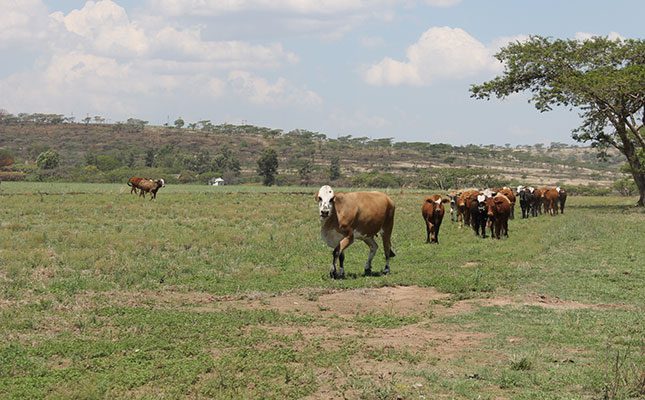
As diseases like foot-and-mouth disease continue to challenge livestock farming, stronger biosecurity and better surveillance remain essential for protecting herds across South Africa.
Share
Facebook Twitter LinkedIn Pinterest Email

South Africa recently voted against a United Nations resolution on ‘Agricultural Technology for Sustainable Development.’ The decision defies logic and undermines SA’s own economic interests.

While 129 nations, including most of Africa, voted in favour, South Africa joined just 28 states in opposing what developing countries urgently need: climate-smart farming, water-efficient irrigation and agritech tools to build rural resilience.

The resolution contained no political clauses, no reference to conflict, and no ideological language. It was a practical, developmental initiative aligned to South Africa’s stated policy objectives of empowering small farmers, women, youth and rural communities.

South Africa rejected it for one reason: Israel was the sponsor.

At a time when the country faces a persistent water crisis, collapsing infrastructure and rising food insecurity, rejecting a resolution designed to provide precisely the kinds of technologies we lack is indefensible.

The irony is glaring. Days before the vote, President Ramaphosa criticised the United States for skipping the G20 summit, declaring that “boycott politics never really work.” Yet when presented with an apolitical, humanitarian resolution offering concrete tools to fight hunger, drought and rural poverty, South Africa chose the very boycott politics he condemned.

We did not vote against a policy or economic programme — we voted against a country. In doing so, it is South Africa’s over two million small-scale farmers who will pay the price.

Nearly 60% of agrarian households live below the food poverty line. Their challenges are stark:

• Lack of secure land tenure, which prevents access to credit and long-term investment.
• Erratic rainfall and almost no irrigation infrastructure, leaving crops entirely dependent on weather patterns.
• Collapsed extension services, meaning farmers receive virtually no technical support.
• High post-harvest losses due to lack of cold storage, packaging facilities and market access.

These farmers do not need symbolic gestures. They require irrigation, water management, climate resilience and practical support — exactly what Israel’s resolution sought to advance.

Israel’s agricultural innovation was built for small plots, arid climates and resource-poor farmers. Drip irrigation, Israel’s flagship technology, can quadruple yields using a fraction of the water — ideal for farmers in the Northern Cape, the Eastern Cape and North West, where rainfall is unreliable, and infrastructure is dysfunctional.

Solar-powered micro-irrigation, already deployed across East Africa, gives farmers independence from failing municipal water systems. Israeli wastewater recycling, drought-resistant crops, low-cost storage, and soil-rehabilitation techniques have transformed communities in Kenya, Rwanda, and Senegal — conditions strikingly similar to those in rural South Africa.

Israel’s track record speaks for itself. Across Africa, Israeli cooperation has produced measurable results:

    • Through Mashav, Israel has trained more than 270,000 agricultural professionals from 132 countries in irrigation, water resource management, soil rehabilitation and post-harvest handling
    • In Turkana, Kenya, KKL-JNF’s Furrows in the Desert programme has turned barren land into more than 130 productive farms using Israeli water-harvesting, solar pumping and desert-agriculture techniques.
    • In Rwanda, the Israeli Horticulture Centre of Excellence has trained over 3,000 Rwandan farmers, extension officers and agripreneurs in Israeli techniques such as greenhouse farming, drip irrigation, fertigation and high-yield seedling production.
    • In Chad, KKL-JNF is transferring knowledge on water management, forestry and date-palm agriculture — directly relevant to South Africa’s arid provinces.

Container Farming Solutions

Yet by rejecting this resolution, we turned our backs on it all. The consequences are more than symbolic. This vote deprived South Africa of partnerships that could stabilise food production, rehabilitate farmland and bring urgently needed investment into rural communities.

Most African nations saw the value and voted in favour. South Africa instead chose isolation, even as rural poverty rises, water infrastructure collapses, and climate threats intensify.

South Africa’s vote against a purely developmental, humanitarian resolution is not principled diplomacy. It is self-sabotage. It is a betrayal of rural women, youth and smallholder farmers who need real solutions, not ideological posturing.

Israel’s innovations have helped African nations overcome drought, famine and land degradation. They can help South Africa, too –  if only our government is willing to put its people above its Middle East politics.

South Africa
Share. Facebook Twitter Pinterest LinkedIn WhatsApp Reddit Tumblr Email
Newsdesk
  • Website

Related Posts

Association warns against consuming fungus-infested tomatoes

May 17, 2026

LIFE-ND trains farmers in basic bookkeeping

May 15, 2026

Lagos to launch food security hub in 2026

May 15, 2026

Leave A Reply Cancel Reply

NIA, NAICOM mourn death of Rotimi Edu

May 18, 2026

Association warns drivers on highway recklessness

May 18, 2026

FCT actors guild begins membership cleanup

May 17, 2026

Lagos urges Heightened vigilance against lassa fever

May 17, 2026
About Us
About Us

ASHENEWS (AsheNewsDaily.com), published by PenPlus Online Media Publishers, is an independent online newspaper. We report development news, especially on Agriculture, Science, Health and Environment as they affect the under-reported rural and urban poor.

We also conduct investigations, especially in the areas of ASHE, as well as other general interests, including corruption, human rights, illicit financial flows, and politics.

Contact Info:
  • 1st floor, Dogon Daji House, No. 5, Maiduguri Road, Sokoto
  • +234(0)7031140009
  • ashenewsdaily@gmail.com
Facebook Twitter Instagram Pinterest
© 2026 All Rights Reserved. ASHENEWS Daily Designed & Managed By DeedsTech

Type above and press Enter to search. Press Esc to cancel.