


• Home
  • Agric
  • Sci & Tech
  • Health
  • Environment
  • Hausa News
  • More
    • Business/Banking & Finance
    • Politics/Elections
    • Entertainments & Sports
    • International
    • Investigation
    • Law & Human Rights
    • Africa
    • ACCOUNTABILITY/CORRUPTION
    • Hassan Gimba
    • Column
    • Prof. Jibrin Ibrahim
    • Prof. M.K. Othman
    • Defense/Security
    • Education
    • Energy/Electricity
    • Entertainment/Arts & Sports
    • Society and Lifestyle
    • Food & Agriculture
    • Health & Healthy Living
    • International News
    • Interviews
    • Investigation/Fact-Check
    • Judiciary/Legislature/Law & Human Rights
    • Oil & Gas/Mineral Resources
    • Press Freedom/Media/PR/Journalism
    • General News
    • Presidency
  • About Us
    • Contact Us
    • Board Of Advisory
    • Privacy Policy
    • Ethics Policy
    • Teamwork And Collaboration Policy
    • Fact-Checking Policy
    • Advertising
  • Media OutReach Newswire
    • Wire News
  • The Stories
Facebook Twitter Instagram
Trending
  • AFCON 2026 Qualifiers: Nigeria to face Tanzania, Madagascar, Guinea-Bissau
  • Alleged N33.8bn fraud: EFCC arrests ex-power minister Mamman after sentencing
  • Trump suspends planned Iran strike following appeal by Gulf leaders
  • Nigerian govt moves to end illegal taxes by states, LGAs with new guidelines
  • Reading the CBN: Why the current cycle in Nigerian banking is not a shock, By Olayinka Onanguga
  • CBN to auction N650bn in treasury bills, sets May 20 deadline
  • Association to roll out T+1 settlement cycle from June 1
  • DMO raises N614.5bn from May 2026 FGN bond auction
Facebook Twitter Instagram YouTube
AsheNewsAsheNews
  • Home
  • Agric

    Herders abandon cattle after farm invasion in Abia

    May 18, 2026

    Association warns against consuming fungus-infested tomatoes

    May 17, 2026

    LIFE-ND trains farmers in basic bookkeeping

    May 15, 2026

    Lagos to launch food security hub in 2026

    May 15, 2026

    FG to use microchips for nationwide livestock identification

    May 15, 2026
  • Sci & Tech

    Kaduna state trains 4,000 students in vocational skills

    May 18, 2026

    Association commits to bridging tech gap, strengthening STEM partnerships

    May 14, 2026

    Lagos to establish cybersecurity operations centre

    May 13, 2026

    ECOWAS pushes information integrity

    May 13, 2026

    NSE urges engineers to join politics

    May 13, 2026
  • Health

    WHO urges calm as Ebola outbreak declared PHEIC

    May 19, 2026

    NYSC mandates NERD certificates for mobilisation

    May 18, 2026

    WHO warns of growing pandemic threats, preparedness gaps

    May 18, 2026

    Hypertension: The silent killer affecting millions across Nigeria

    May 18, 2026

    Nigeria’s HIV fight hindered by stigma, funding gaps

    May 18, 2026
  • Environment

    University of Abuja student wins 2026 Amnesty international intervarsity debate

    May 19, 2026

    NEMA holds flood preparedness campaign in Katsina

    May 19, 2026

    Niger Delta experts call for urgent environmental clean-up

    May 19, 2026

    NESREA seals Kano rice mill over environmental violations

    May 19, 2026

    Lagos targets 2,000MW embedded power supply

    May 18, 2026
  • Hausa News

    Otti plans 250-room 5-star hotel in Umuahia

    April 11, 2026

    Anti-quackery task force seals 4 fake hospitals in Rivers

    August 29, 2025

    [BIDIYO] Yadda na lashe gasa ta duniya a fannin Ingilishi – Rukayya ‘yar shekara 17

    August 6, 2025

    A Saka Baki, A Sasanta Saɓani Tsakanin ‘Yanjarida Da Liman, Daga Muhammad Sajo

    May 21, 2025

    Dan majalisa ya raba kayan miliyoyi a Funtuwa da Dandume

    March 18, 2025
  • More
    1. Business/Banking & Finance
    2. Politics/Elections
    3. Entertainments & Sports
    4. International
    5. Investigation
    6. Law & Human Rights
    7. Africa
    8. ACCOUNTABILITY/CORRUPTION
    9. Hassan Gimba
    10. Column
    11. Prof. Jibrin Ibrahim
    12. Prof. M.K. Othman
    13. Defense/Security
    14. Education
    15. Energy/Electricity
    16. Entertainment/Arts & Sports
    17. Society and Lifestyle
    18. Food & Agriculture
    19. Health & Healthy Living
    20. International News
    21. Interviews
    22. Investigation/Fact-Check
    23. Judiciary/Legislature/Law & Human Rights
    24. Oil & Gas/Mineral Resources
    25. Press Freedom/Media/PR/Journalism
    26. General News
    27. Presidency
    Featured
    Recent

    AFCON 2026 Qualifiers: Nigeria to face Tanzania, Madagascar, Guinea-Bissau

    May 19, 2026

    Alleged N33.8bn fraud: EFCC arrests ex-power minister Mamman after sentencing

    May 19, 2026

    Trump suspends planned Iran strike following appeal by Gulf leaders

    May 19, 2026
  • About Us
    1. Contact Us
    2. Board Of Advisory
    3. Privacy Policy
    4. Ethics Policy
    5. Teamwork And Collaboration Policy
    6. Fact-Checking Policy
    7. Advertising
    Featured
    Recent

    AFCON 2026 Qualifiers: Nigeria to face Tanzania, Madagascar, Guinea-Bissau

    May 19, 2026

    Alleged N33.8bn fraud: EFCC arrests ex-power minister Mamman after sentencing

    May 19, 2026

    Trump suspends planned Iran strike following appeal by Gulf leaders

    May 19, 2026
  • Media OutReach Newswire
    • Wire News
  • The Stories
AsheNewsAsheNews
Home»Food & Agriculture»How seasonal changes impact Sokoto grasshopper market
Food & Agriculture

How seasonal changes impact Sokoto grasshopper market

How seasonal changes impact Sokoto Grasshopper Market
NewsdeskBy NewsdeskJuly 22, 2024Updated:July 22, 2024No Comments5 Mins Read
Share
Facebook Twitter LinkedIn Pinterest Email

Sokoto grasshopper sellers are facing significant hurdles due to seasonal and weather-related factors, impacting both supply and demand. 

Findings by ASHENEWS at the central market in Sokoto State revealed that sellers now face difficulties in procuring and selling grasshoppers during certain periods.

Grasshoppers, known for their distinctive ability to jump with long hind legs, thrive in dry habitats such as fields and gardens abundant with grass. 

Classified under the Caelifera group, which includes locusts, there are approximately 11,000 species of grasshoppers, predominantly within the Acrididae family.

To distinguish them from similar insects like bush crickets or katydids, grasshoppers are sometimes referred to as “short-horned grasshoppers.” 

When certain species undergo behavioural and colour changes due to increased population density, they are termed locusts.

Grasshoppers typically feed on grass, leaves, and cereal crops, with some species being omnivorous and others specialising in specific plant types. 

In regions like Sokoto State, species such as Sphenarium grasshoppers are consumed as a source of protein, minerals, and vitamins.
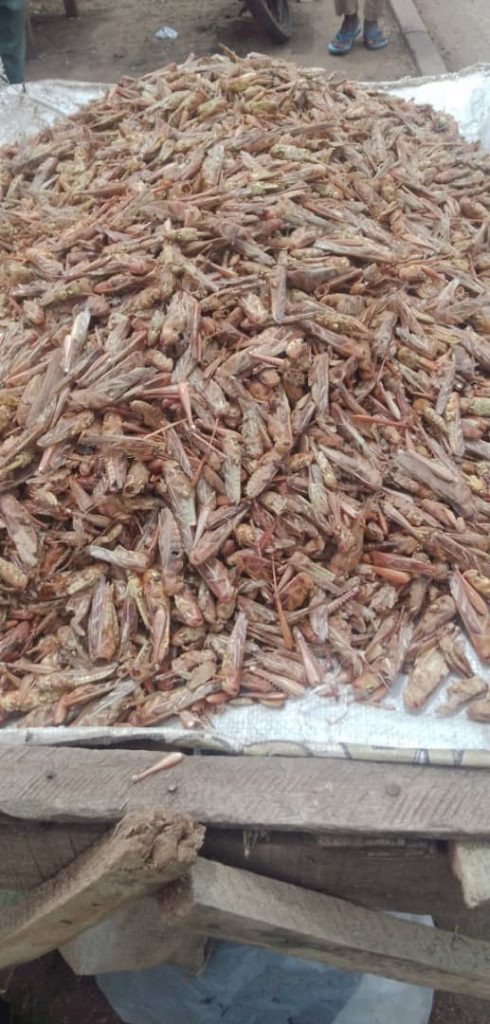
The process of harvesting grasshoppers involves collecting them at dusk using lamps and nets, followed by methods such as soaking, boiling, sun-drying, frying, or seasoning with spices like garlic and chilli. 

They are useful in various dishes and soups, reflecting their culinary versatility.

During the harmattan season, there is heightened demand for grasshoppers, traditionally priced at N500 per plate (mudu). 

A grasshopper vendor at the central market, Mr Abdul Karen Abubakar, outlined his supply chain, sourcing grasshoppers from Bakin Dutse, Munwadata, and Mallamawa local governments. 

Farmers either deliver directly to the market or through intermediaries, depending on logistics and availability.

“I buy my grasshoppers from Bakin Dutse, Munwadata, and Mallamawa local governments. Sometimes, we send money to sellers in the villages, and they bring the grasshoppers to us. Other times, they bring them straight to the market for us to purchase.

“Grasshoppers are in high demand during the harmattan season. Currently, they are scarce and expensive. Normally, we sell one plate (mudu) for N500 during harmattan, but now, due to scarcity, the price has risen to N2500 per plate.”

However, scarcity has driven prices up to N2500 per plate, presenting financial challenges for both sellers and consumers alike.
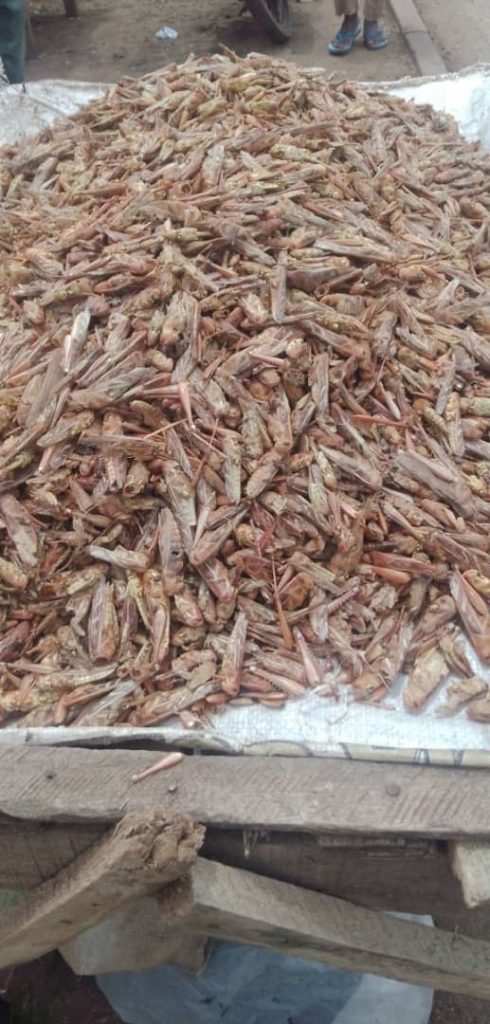
Another vendor, Mr Yahaya Musa ascribed the inconsistent availability of grasshoppers specifically in the Mullela local government to agricultural factors.

As a result, the abundance during harmattan contrasts starkly with scarcity in dry seasons.

“During the harmattan season, they are plentiful and cheap, but in dry seasons, they’re scarce because farmers don’t have many.

“I always have many customers requesting grasshoppers. If I buy 10 bags, I can sell them all in less than a week because customers buy them quickly every day.

“People in Sokoto enjoy eating grasshoppers because they are nutritious and easy to prepare. Some prefer them over dry fish or meat because they are affordable and can be shared among family members,” he told ASHENEWS.

For Mr Zahadeen Garba, who operates seasonally, the hotter months pose significant obstacles, limiting availability and increasing procurement costs. 

As a result of this, he focuses exclusively on harmattan sales when demand peaks and costs stabilize.

“Buying grasshoppers now that the rainy season is starting is very costly. I spend a lot of money to buy them, but customers expect low prices because they’re used to cheaper rates during harmattan.”

“I regularly send money to a farmer in Mallamawa local government to bring grasshoppers to me, usually on Saturdays when they come to sell at the market. Sometimes, they bring them daily, depending on how much we need.”

A farmer from Mallamawa local government, Mr. Faruq Silame highlighted the dual role of grasshoppers as agricultural pests and culinary delicacies. 

Despite their potential to damage crops, they are quite popular in northern Nigeria during the harmattan season, thereby fuelling a thriving market.

“Grasshoppers are tropical insects that can harm our farms by eating plants, grass, and crops.

“Despite the damage they can cause to farming, grasshoppers are a tasty delicacy here in northern Nigeria, especially during the harmattan season. The grasshopper business thrives during this time.”

Silame further emphasized the connection between the change in seasons and the availability of the commodity.

“We usually send thousands of bags of grasshoppers to Sokoto State every week when they are plentiful during harmattan. 

“However, now that the rainy season has started, we can only send about 20 to 30 bags per week. Some weekends, we don’t send any because we don’t have enough.”

The shift to rainy seasons significantly reduces supply, with only a bit of the harmattan yield being possible for transport to Sokoto markets. 

This instability underscores the tough balance between agricultural impact and culinary demand in the region.

While Sokoto grasshoppers are cherished for their nutritional benefits and culinary uses, their seasonal availability and market dynamics present tough challenges for farmers and vendors alike.

grasshopper market grasshoppers inflation Sokoto state
Share. Facebook Twitter Pinterest LinkedIn WhatsApp Reddit Tumblr Email
Newsdesk
  • Website

Related Posts

Nigerian govt moves to end illegal taxes by states, LGAs with new guidelines

May 19, 2026

DMO raises N614.5bn from May 2026 FGN bond auction

May 19, 2026

NRS introduces unified tax ID system for all taxpayers in Nigeria

May 19, 2026

Leave A Reply Cancel Reply

AFCON 2026 Qualifiers: Nigeria to face Tanzania, Madagascar, Guinea-Bissau

May 19, 2026

Alleged N33.8bn fraud: EFCC arrests ex-power minister Mamman after sentencing

May 19, 2026

Trump suspends planned Iran strike following appeal by Gulf leaders

May 19, 2026

Nigerian govt moves to end illegal taxes by states, LGAs with new guidelines

May 19, 2026
About Us
About Us

ASHENEWS (AsheNewsDaily.com), published by PenPlus Online Media Publishers, is an independent online newspaper. We report development news, especially on Agriculture, Science, Health and Environment as they affect the under-reported rural and urban poor.

We also conduct investigations, especially in the areas of ASHE, as well as other general interests, including corruption, human rights, illicit financial flows, and politics.

Contact Info:
  • 1st floor, Dogon Daji House, No. 5, Maiduguri Road, Sokoto
  • +234(0)7031140009
  • ashenewsdaily@gmail.com
Facebook Twitter Instagram Pinterest
© 2026 All Rights Reserved. ASHENEWS Daily Designed & Managed By DeedsTech

Type above and press Enter to search. Press Esc to cancel.