

• Home
  • Agric
  • Sci & Tech
  • Health
  • Environment
  • Hausa News
  • More
    • Business/Banking & Finance
    • Politics/Elections
    • Entertainments & Sports
    • International
    • Investigation
    • Law & Human Rights
    • Africa
    • ACCOUNTABILITY/CORRUPTION
    • Hassan Gimba
    • Column
    • Prof. Jibrin Ibrahim
    • Prof. M.K. Othman
    • Defense/Security
    • Education
    • Energy/Electricity
    • Entertainment/Arts & Sports
    • Society and Lifestyle
    • Food & Agriculture
    • Health & Healthy Living
    • International News
    • Interviews
    • Investigation/Fact-Check
    • Judiciary/Legislature/Law & Human Rights
    • Oil & Gas/Mineral Resources
    • Press Freedom/Media/PR/Journalism
    • General News
    • Presidency
  • About Us
    • Contact Us
    • Board Of Advisory
    • Privacy Policy
    • Ethics Policy
    • Teamwork And Collaboration Policy
    • Fact-Checking Policy
    • Advertising
  • Media OutReach Newswire
    • Wire News
  • The Stories
Facebook Twitter Instagram
Trending
  • South Africa’s anti-migrant crisis: A growing threat to Africa’s economic future, By Dr. Fakunle Aremu
  • EFCC arraigns ex-Skye Bank chairman Ayeni over alleged N15.6bn fraud
  • Nairametrics disowns fake AI videos impersonating founder, cautions investors
  • US expert calls for stronger lassa fever response in Nigeria
  • UN demands Israel immediately release Gaza Flotilla activists
  • Gov. Otti orders temporary site for NOUN study centre in Aba
  • Lagos resident lament soaring tomato prices
  • How a stable Naira is quietly fixing Nigeria, By Kalu Aja
Facebook Twitter Instagram YouTube
AsheNewsAsheNews
  • Home
  • Agric

    Lagos resident lament soaring tomato prices

    May 6, 2026

    FG unveils 2025–2030 revised national gender policy on agrifood systems

    May 6, 2026

    High fertiliser prices threaten 2026 farming season in Bauchi

    May 5, 2026

    Haruna pledges education, agriculture focus in Nasarawa bid

    May 5, 2026

    FG reaffirms commitment to rural roads, market access

    May 4, 2026
  • Sci & Tech

    UBA, MTN MoMo, RedTech unveil cardless payment solution

    May 6, 2026

    Uganda unveils first homegrown biotech livestock vaccine, targets regional leadership

    May 3, 2026

    Samsung revenue jumps 43% in Q1

    May 1, 2026

    AfricaX summit to support commercialisation of innovations

    April 30, 2026

    FUTA don advocates people-centred engineering for sustainable industrial growth

    April 30, 2026
  • Health

    US expert calls for stronger lassa fever response in Nigeria

    May 6, 2026

    NANNM urges Soludo to recruit more nurses, midwives

    May 6, 2026

    Kwara flags off free lenacapavir HIV prevention drug

    May 6, 2026

    WHO confirms 2 hantavirus cases, 5 suspected on cruise ship

    May 5, 2026

    Niger launches immunisation plus campaign

    May 5, 2026
  • Environment

    Oyo introduces daily environmental sanitation enforcement

    May 6, 2026

    Shettima reaffirms FG commitment to humanitarian response

    May 6, 2026

    Lagos bridge crash kills 1, injures 4

    May 5, 2026

    SERAP, Editors seek press freedom

    May 4, 2026

    NRC strongly condemns attacks on Abuja–Kaduna trains

    May 4, 2026
  • Hausa News

    Otti plans 250-room 5-star hotel in Umuahia

    April 11, 2026

    Anti-quackery task force seals 4 fake hospitals in Rivers

    August 29, 2025

    [BIDIYO] Yadda na lashe gasa ta duniya a fannin Ingilishi – Rukayya ‘yar shekara 17

    August 6, 2025

    A Saka Baki, A Sasanta Saɓani Tsakanin ‘Yanjarida Da Liman, Daga Muhammad Sajo

    May 21, 2025

    Dan majalisa ya raba kayan miliyoyi a Funtuwa da Dandume

    March 18, 2025
  • More
    1. Business/Banking & Finance
    2. Politics/Elections
    3. Entertainments & Sports
    4. International
    5. Investigation
    6. Law & Human Rights
    7. Africa
    8. ACCOUNTABILITY/CORRUPTION
    9. Hassan Gimba
    10. Column
    11. Prof. Jibrin Ibrahim
    12. Prof. M.K. Othman
    13. Defense/Security
    14. Education
    15. Energy/Electricity
    16. Entertainment/Arts & Sports
    17. Society and Lifestyle
    18. Food & Agriculture
    19. Health & Healthy Living
    20. International News
    21. Interviews
    22. Investigation/Fact-Check
    23. Judiciary/Legislature/Law & Human Rights
    24. Oil & Gas/Mineral Resources
    25. Press Freedom/Media/PR/Journalism
    26. General News
    27. Presidency
    Featured
    Recent

    South Africa’s anti-migrant crisis: A growing threat to Africa’s economic future, By Dr. Fakunle Aremu

    May 6, 2026

    EFCC arraigns ex-Skye Bank chairman Ayeni over alleged N15.6bn fraud

    May 6, 2026

    Nairametrics disowns fake AI videos impersonating founder, cautions investors

    May 6, 2026
  • About Us
    1. Contact Us
    2. Board Of Advisory
    3. Privacy Policy
    4. Ethics Policy
    5. Teamwork And Collaboration Policy
    6. Fact-Checking Policy
    7. Advertising
    Featured
    Recent

    South Africa’s anti-migrant crisis: A growing threat to Africa’s economic future, By Dr. Fakunle Aremu

    May 6, 2026

    EFCC arraigns ex-Skye Bank chairman Ayeni over alleged N15.6bn fraud

    May 6, 2026

    Nairametrics disowns fake AI videos impersonating founder, cautions investors

    May 6, 2026
  • Media OutReach Newswire
    • Wire News
  • The Stories
AsheNewsAsheNews
Home»Environment/Climate Change»How Middle East know-how can help feed drier, hotter world – Abousabaa
Environment/Climate Change

How Middle East know-how can help feed drier, hotter world – Abousabaa

How Middle East know-how can help feed drier, hotter world - Abousabaa
Abdallah el-KurebeBy Abdallah el-KurebeNovember 3, 2023Updated:November 19, 2023No Comments5 Mins Read
Share
Facebook Twitter LinkedIn Pinterest Email

The director general of the International Center for Agricultural Research in the Dry Areas (ICARDA) and CGIAR’s regional director for Central and West Asia and North Africa, Aly Abousabaa, writes that the Middle East’s expertise in handling heat could be of benefit worldwide.

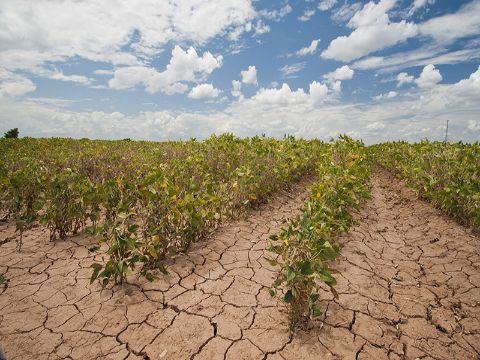
The Middle East and North Africa (MENA) region is the driest in the world and home to four of the five most water-stressed countries on the planet. But its legacy as the cradle of agriculture also makes it an increasingly valuable source of global wisdom and innovation for adapting food systems for hotter, drier climates – a challenge that lies ahead for a growing number of countries.

Thanks to its “fertile crescent”, a richly biodiverse area in the Middle East, the region has witnessed more than 10,000 years of agricultural transformation and continues to be at the forefront of dryland farming.

With rising temperatures and desertification spreading around the globe, this year’s COP28 climate talks in Dubai offer a timely opportunity to learn from the region’s vast experience and the scientific solutions that are enabling desert farming against the odds.

What MENA lacks in freshwater, it makes up for in resilient, ancient plant and animal species and millennia of agricultural ingenuity.

The region’s extraordinary agricultural heritage and harsh conditions mean it remains a treasure trove of “crop wild relatives” – original food plant species that have evolved over thousands of years to survive heat, water stress and poor soil.

For scientists looking for plant genetic traits that can withstand the kinds of climate extremes now occurring in countries such as Australia, Canada, Spain and the US, MENA is a hotbed of source material from which to develop hardier, more climate tolerant crops.

For example, CGIAR recently released six new drought tolerant varieties of barley and durum wheat using samples stored at a crop genebank managed by the International Center for Agricultural Research in the Dry Areas (ICARDA) in Morocco.

CGIAR’s climate-smart crops offer a vital buffer against the impact of drought, which last year reduced wheat production by around 70 per cent in Morocco, where conditions were so harsh the episode was named “the drought of the century”.

ICARDA has released about 880 new crop varieties in the last 40 years, generating annual benefits worth over US$850 million – and this goes well beyond the MENA region. In the last five years, more than 120 climate-resilient cereal and legume crops have been grown in more than 20 countries.

CGIAR’s heat-resilient wheat varieties, derived from the MENA region’s crop wild relatives, increased yields by up to 24 per cent when tested on sites in Ethiopia, Lebanon, Morocco and Senegal.

Alongside breeding hardier crops, agricultural researchers in the region have also developed cutting-edge early warning systems to help MENA countries and other water-stressed nations to better forecast and anticipate droughts.

Scientists working on the MENAdrought project in collaboration with governments in Jordan, Lebanon and Morocco, have built country-specific systems which predict the likelihood of drought conditions over the next one to three months. This allows farmers and local authorities to manage water resources more effectively and make better-informed planting decisions.

A drought index has already been adopted to show where stressed conditions exist and trigger actions to help, and the project has expanded to Tunisia, with interest from other MENA countries.

The region also offers a compelling example of how traditional knowledge and practices can be harnessed to bolster food security, accelerated through local and regional collaboration.

For instance, the Integrated Desert Farming Innovation Program has been launched as part of the US-UAE initiative, Agriculture Innovation Mission (AIM) for Climate, to harness and expand desert farming practices across the Arabian Peninsula and beyond.

Techniques that have improved productivity and reversed desertification include water management innovation, green energy integration, vertical farming, conservation agriculture and deep learning through satellite observation.

A novel technique is the use of an ancient practice known as “Marab”, which involves creating areas of relatively flat land that slows water flow after rainfall, allowing more moisture retention and less degradation.

Reseeding indigenous range species, including grasses and legumes with reduced water needs, and controlling the grazing of livestock have also been shown to contribute to rangeland rehabilitation. Using this technology in Jordan meant barley production increased from 0.34 to 8.37 tonnes per hectare and the yields became more reliable due to a lesser dependence on unpredictable rainfall.

While the world races to limit global temperature rises, climate change is already under way with now inevitable consequences both in MENA and beyond.

As many more countries face hotter and drier conditions, the MENA region is a valuable test case for the adaptive capacity of agriculture. Many of the innovations developed in the Middle East and North Africa will become instrumental to farming in a climate emergency.

Governments, policymakers and climate negotiators at COP28 must heed the lessons of the MENA region to enshrine food security in a hotter, drier world.

ICARDA researches and develops climate-smart agri-innovations to generate resilient livelihoods for dryland farmers suffering a climate crisis.

This piece was produced by SciDev.Net’s Global desk.

Aly Abousabaa CGIAR Fertile Crescent Heat ICARDA MENAdrought Middle East
Share. Facebook Twitter Pinterest LinkedIn WhatsApp Reddit Tumblr Email
Abdallah el-Kurebe
  • Website
  • Facebook
  • Twitter
  • LinkedIn

Related Posts

Lagos resident lament soaring tomato prices

May 6, 2026

Oyo introduces daily environmental sanitation enforcement

May 6, 2026

Shettima reaffirms FG commitment to humanitarian response

May 6, 2026

Leave A Reply Cancel Reply

South Africa’s anti-migrant crisis: A growing threat to Africa’s economic future, By Dr. Fakunle Aremu

May 6, 2026

EFCC arraigns ex-Skye Bank chairman Ayeni over alleged N15.6bn fraud

May 6, 2026

Nairametrics disowns fake AI videos impersonating founder, cautions investors

May 6, 2026

US expert calls for stronger lassa fever response in Nigeria

May 6, 2026
About Us
About Us

ASHENEWS (AsheNewsDaily.com), published by PenPlus Online Media Publishers, is an independent online newspaper. We report development news, especially on Agriculture, Science, Health and Environment as they affect the under-reported rural and urban poor.

We also conduct investigations, especially in the areas of ASHE, as well as other general interests, including corruption, human rights, illicit financial flows, and politics.

Contact Info:
  • 1st floor, Dogon Daji House, No. 5, Maiduguri Road, Sokoto
  • +234(0)7031140009
  • ashenewsdaily@gmail.com
Facebook Twitter Instagram Pinterest
© 2026 All Rights Reserved. ASHENEWS Daily Designed & Managed By DeedsTech

Type above and press Enter to search. Press Esc to cancel.