


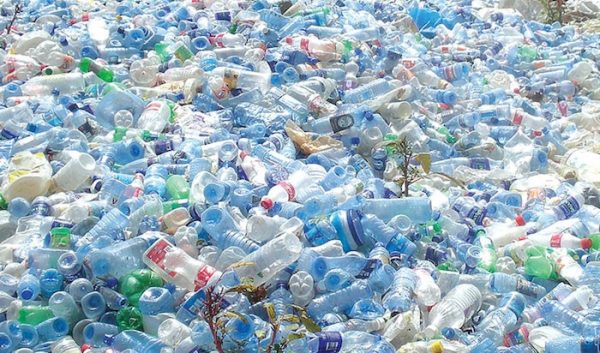
The Federal Government reports that approximately 14 million tonnes of plastic enter and obstruct the world’s oceans each year—a threat to Nigeria’s biodiversity and marine ecosystems.
The Minister of Environment, Mr Balarabe Lawal disclosed this on Wednesday during a training workshop in Abuja for stakeholders in the Extended Producer Responsibility (EPR) programme.
Organised by NESREA in collaboration with the PROTEGO Project (Prevention of Marine Litter in the Gulf of Guinea), the workshop aims to equip participants for implementing strategies to tackle plastic pollution.
Speaking on behalf of the minister, Mr Saleh Abubakar, Director-General of NAGGW, described the event as evidence of Nigeria’s commitment to building a cleaner, healthier nation.
He noted that the PROTEGO project, launched in July 2024 and running until June 2027, is a major driver in reducing plastic waste in Nigeria and Ghana’s oceans. He said it will support circular economy measures, improve waste management, and strengthen critical capacities.
Lawal reminded attendees that Nigeria’s over 850 km Atlantic coastline makes it especially vulnerable to marine debris. “This is a global crisis,” he said, “but solutions must be local, innovative, and supported by every stakeholder.”
He added that EPR marks a paradigm shift in environmental policy, holding producers responsible for the full lifecycle of their packaging—from design and production through consumption, collection, and recycling.
Nigeria is implementing national EPR guidelines for packaging in 2025 and drafting plastic waste control regulations. “EPR will be mandatory for all packaging producers, importers, and brand owners, especially concerning problematic single-use plastics.”
Prof Innocent Barikor, NESREA’s Director‑General, stressed that EPR has proven effective worldwide for reducing marine pollution. “It places the onus of post-consumer waste on producers, encourages sustainable design, increases accountability, and eases the burden on public waste systems.”
Mr Gabriel Onyebuolise of WASTE Africa highlighted the workshop’s objective to reduce marine litter in the Gulf of Guinea while strengthening EPR-related policy frameworks.
