


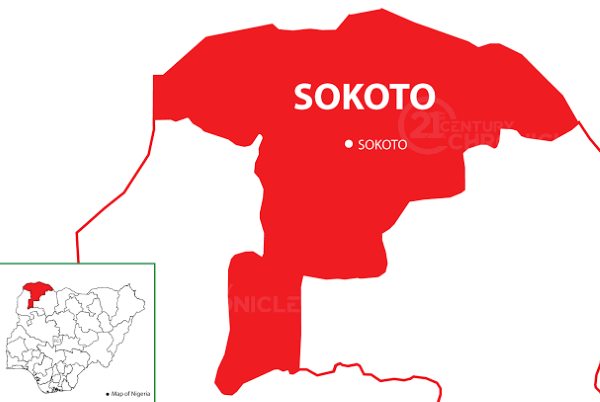
Thousands of children in Sokoto State whose education has been disrupted by conflict and displacement are set to benefit from a new partnership between the European Union’s humanitarian arm and UNICEF, aimed at restoring access to safe and inclusive learning.
The European Union, through its humanitarian aid department (ECHO), has committed €1 million to support over 20,000 children aged 5 to 17 in internally displaced persons (IDP) camps and host communities across the state.
The initiative seeks to expand access to quality education and life skills while strengthening the resilience of the education system against future shocks. It will provide accelerated learning opportunities for out-of-school children, alongside remedial support for those already enrolled, to help them build foundational skills and improve learning outcomes.
Over a 24-month period, the programme will drive community-led enrolment campaigns to identify and return out-of-school children to classrooms. It will also promote safe school practices to protect learners from violence, abuse, and exploitation.
In addition, the project includes the rehabilitation of water, sanitation, and hygiene (WASH) facilities in schools, as well as the establishment of WASH and environmental clubs to encourage better hygiene practices and healthier learning environments.
A key component of the programme is its focus on quality teaching and child wellbeing. Teachers will receive training in basic pedagogy and crisis-sensitive approaches to help them address trauma, mental health challenges, and the psychosocial needs of children affected by conflict.
The initiative will also provide mental health and psychosocial support services, including the creation of child-friendly spaces where children can learn, play, and recover in a supportive environment.
“No child should have their future determined by conflict. When learning stops, the consequences can last a lifetime. Through this partnership, the European Union and UNICEF will help communities protect their children, enable them to learn in safe spaces, and reclaim their right to education,” said Alexandre Castellano, Head of the European Union’s Humanitarian Aid and Civil Protection Office (ECHO) in Nigeria.
Also speaking, UNICEF Representative in Nigeria, Wafaa Saeed, said the intervention would help sustain learning despite insecurity.
“As insecurity threatens learning opportunities for thousands of children in Sokoto State, this initiative will ensure that affected children can continue their education and build the life skills they need for a brighter future,” she said.
The programme is also expected to strengthen coordination of Education in Emergencies at both state and local government levels, while improving preparedness to ensure continuity of learning during crises.
Through this partnership, the European Union and UNICEF reaffirm their commitment to ensuring that every child, regardless of circumstance, has access to education, protection, and the opportunity to thrive.
