

• Home
  • Agric
  • Sci & Tech
  • Health
  • Environment
  • Hausa News
  • More
    • Business/Banking & Finance
    • POLITICS
    • Entertainments & Sports
    • International
    • Investigation
    • Law & Human Rights
    • Africa
    • ACCOUNTABILITY/CORRUPTION
    • Hassan Gimba
    • Column
    • Prof. Jibrin Ibrahim
    • Prof. M.K. Othman
    • Defense/Security
    • Education
    • Energy/Electricity
    • Entertainment/Arts & Sports
    • Society and Lifestyle
    • Food & Agriculture
    • Health & Healthy Living
    • International News
    • Interviews
    • Investigation/Fact-Check
    • LAW & HUMAN RIGHTS
    • Oil & Gas/Mineral Resources
    • PRESS FREEDOM/JOURNALISM/PR
    • General News
    • Presidency
  • About Us
    • Contact Us
    • Board Of Advisory
    • Privacy Policy
    • Ethics Policy
    • Teamwork And Collaboration Policy
    • Fact-Checking Policy
    • Advertising
  • Media OutReach Newswire
    • Wire News
  • The Stories
Facebook Twitter Instagram
Trending
  • Two Straits, One Storm: Yemen, Iran, and the Unfinished Arithmetic of Adventurism
  • Gynaecologist seeks stronger primary healthcare to cut maternal deaths
  • Beyond the dance: Lessons from Osun 2026 for Nigeria 2027, by Prof. M.K. Othman
  • Bwari riders decry motorcycle theft, seizures
  • SDNON felicitates with member over appointment as head of media directorate for Delta NDC guber campaign
  • States spend N35bn on flood, erosion control
  • Of caps, marabouts and politics of envy, by Hassan Gimba
  • FG scraps data charges for students on approved educational platforms
Facebook Twitter Instagram YouTube
AsheNewsAsheNews
  • Home
  • Agric

    Who is policing the poison in Nigeria’s food chain?

    September 12, 2026

    NASC, PIND sign seed partnership

    September 12, 2026

    Women farmers call for investment in value-added agriculture

    September 11, 2026

    Women farmers laud SAA rice program in Jigawa

    September 11, 2026

    Poultry industry key to food security, jobs – PAN official

    September 10, 2026
  • Sci & Tech

    Nigeria urged to mainstream election tech

    September 11, 2026

    Biotech key to Nigeria’s food security, experts say

    September 10, 2026

    Australia to let users switch off social media algorithms

    September 9, 2026

    Africa contributes less than 1% of dementia research despite projected 348% rise in West Africa – Maina

    September 9, 2026

    Nigeria must stop consuming foreign neuroscience knowledge, NSN president says

    September 9, 2026
  • Health

    Gynaecologist seeks stronger primary healthcare to cut maternal deaths

    September 13, 2026

    BRICON urges cancer survivors to embrace life

    September 13, 2026

    Doctor urges Nigerians to prevent illness

    September 12, 2026

    Kaduna begins diphtheria vaccination

    September 12, 2026

    JDPCI calls for disability inclusion

    September 12, 2026
  • Environment

    Bwari riders decry motorcycle theft, seizures

    September 13, 2026

    States spend N35bn on flood, erosion control

    September 13, 2026

    Lagos moves beyond dumpsites

    September 12, 2026

    LASCOPA, NDLEA partner on drug abuse

    September 12, 2026

    RDI urges action to save Okun Alfa

    September 12, 2026
  • Hausa News

    UNA signs MoU to launch air Bissau in Guinea-Bissau

    June 15, 2026

    Otti plans 250-room 5-star hotel in Umuahia

    April 11, 2026

    Anti-quackery task force seals 4 fake hospitals in Rivers

    August 29, 2025

    [BIDIYO] Yadda na lashe gasa ta duniya a fannin Ingilishi – Rukayya ‘yar shekara 17

    August 6, 2025

    A Saka Baki, A Sasanta Saɓani Tsakanin ‘Yanjarida Da Liman, Daga Muhammad Sajo

    May 21, 2025
  • More
    1. Business/Banking & Finance
    2. POLITICS
    3. Entertainments & Sports
    4. International
    5. Investigation
    6. Law & Human Rights
    7. Africa
    8. ACCOUNTABILITY/CORRUPTION
    9. Hassan Gimba
    10. Column
    11. Prof. Jibrin Ibrahim
    12. Prof. M.K. Othman
    13. Defense/Security
    14. Education
    15. Energy/Electricity
    16. Entertainment/Arts & Sports
    17. Society and Lifestyle
    18. Food & Agriculture
    19. Health & Healthy Living
    20. International News
    21. Interviews
    22. Investigation/Fact-Check
    23. LAW & HUMAN RIGHTS
    24. Oil & Gas/Mineral Resources
    25. PRESS FREEDOM/JOURNALISM/PR
    26. General News
    27. Presidency
    Featured
    Recent

    Two Straits, One Storm: Yemen, Iran, and the Unfinished Arithmetic of Adventurism

    September 13, 2026

    Gynaecologist seeks stronger primary healthcare to cut maternal deaths

    September 13, 2026

    Beyond the dance: Lessons from Osun 2026 for Nigeria 2027, by Prof. M.K. Othman

    September 13, 2026
  • About Us
    1. Contact Us
    2. Board Of Advisory
    3. Privacy Policy
    4. Ethics Policy
    5. Teamwork And Collaboration Policy
    6. Fact-Checking Policy
    7. Advertising
    Featured
    Recent

    Two Straits, One Storm: Yemen, Iran, and the Unfinished Arithmetic of Adventurism

    September 13, 2026

    Gynaecologist seeks stronger primary healthcare to cut maternal deaths

    September 13, 2026

    Beyond the dance: Lessons from Osun 2026 for Nigeria 2027, by Prof. M.K. Othman

    September 13, 2026
  • Media OutReach Newswire
    • Wire News
  • The Stories
AsheNewsAsheNews
Home»EDITORIAL»[EDITORIAL] Nigeria’s economic reforms and debt push: The need for a human face
EDITORIAL

[EDITORIAL] Nigeria’s economic reforms and debt push: The need for a human face

Abdallah el-KurebeBy Abdallah el-KurebeOctober 13, 2025Updated:October 13, 2025No Comments2 Mins Read
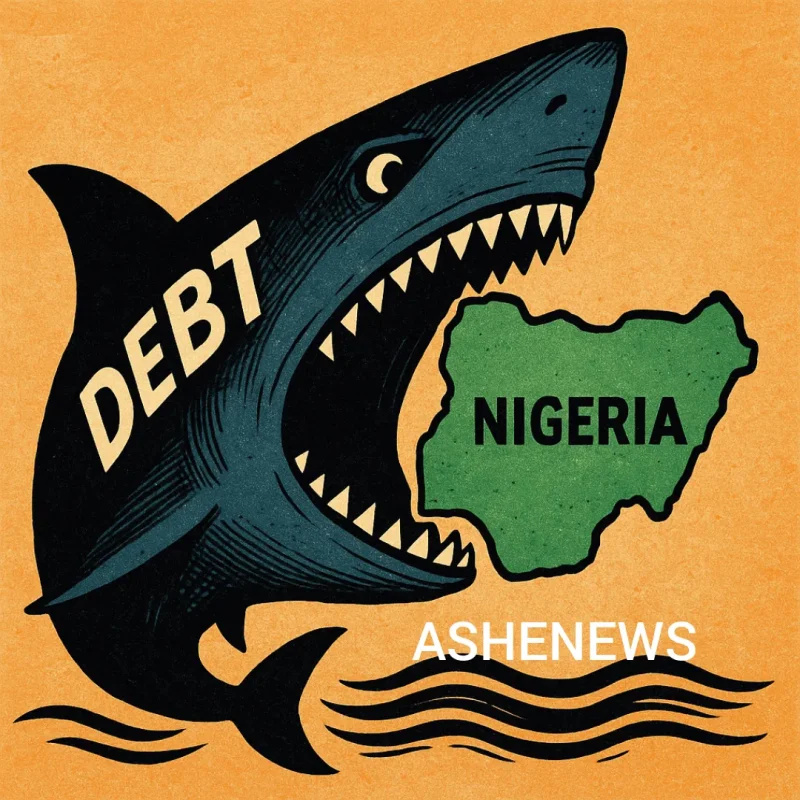
Debt in Nigeria
Share
Facebook Twitter LinkedIn Pinterest Email

Economic reforms are never painless. Across Nigeria today, the story is the same — families cutting meals, businesses shrinking operations, and workers watching their wages lose value faster than they earn them. Yet, on paper, the figures tell a different story. Government reports and international lenders point to “positive macroeconomic momentum,” boasting of improved revenue collection, renewed investor confidence, and fiscal discipline.

But behind those neat graphs and upbeat briefings lies a harder truth: the reforms, while necessary, are not yet touching lives. The Nigerian economy may be turning a statistical corner, but the average Nigerian is still standing in the same place — or worse, sliding backward.

When fuel subsidies were removed, Nigerians were promised that the savings would be reinvested in infrastructure, education, and healthcare. Months later, citizens still pay more for transport, food, and energy, with little sign that the pain is paving the way for progress. Inflation has eaten deep into household budgets, and many small businesses are folding under the weight of operating costs.

Now, the government is seeking new loans and debuting international debt instruments, including a $500 million sukuk, to finance ongoing projects and plug fiscal gaps. Borrowing, when prudently managed, can be a tool for development. But in Nigeria’s case, the key question remains: who benefits, and at what cost?

Every new loan signed in Abuja becomes a future obligation for generations yet unborn. Debt can be productive when tied to visible outcomes — better roads, schools, irrigation systems, or power infrastructure. But when it merely patches deficits or funds administrative overheads, it becomes a burden, not a bridge.

The Federal Government must therefore pair its economic reform agenda with visible, people-centered relief measures. Policies should not be judged only by international applause but by the number of citizens who can still afford three meals a day. Transparency in how loans are obtained, managed, and repaid must be non-negotiable. Nigerians deserve to know what projects their borrowed future is building.

True reform is not just about balancing books; it is about balancing lives. Economic indicators may rise, but unless citizens rise with them, progress remains hollow.

It is time for the government to remember that macroeconomic stability is not an end in itself. It must translate into microeconomic dignity — the kind that allows ordinary Nigerians to live decently, work productively, and hope confidently. That is the real measure of reform.

Debt in Nigeria economic reforms IMF World Bank
Share. Facebook Twitter Pinterest LinkedIn WhatsApp Reddit Tumblr Email
Abdallah el-Kurebe
  • Website
  • Facebook
  • Twitter
  • LinkedIn

Related Posts

Dangote: Reforms restoring investor confidence as Nigeria’s economy rebounds

September 3, 2026

Nigeria moves to strengthen forest sector

August 28, 2026

[VIEWPOINT] The numbers are improving, but are Nigerians? By Prof. Chiwuike Uba, PhD

August 26, 2026

Leave A Reply Cancel Reply

Two Straits, One Storm: Yemen, Iran, and the Unfinished Arithmetic of Adventurism

September 13, 2026

Gynaecologist seeks stronger primary healthcare to cut maternal deaths

September 13, 2026

Beyond the dance: Lessons from Osun 2026 for Nigeria 2027, by Prof. M.K. Othman

September 13, 2026

Bwari riders decry motorcycle theft, seizures

September 13, 2026
About Us
About Us

ASHENEWS (AsheNewsDaily.com), published by PenPlus Online Media Publishers, is an independent online newspaper. We report development news, especially on Agriculture, Science, Health and Environment as they affect the under-reported rural and urban poor.

We also conduct investigations, especially in the areas of ASHE, as well as other general interests, including corruption, human rights, illicit financial flows, and politics.

Contact Info:
  • 1st floor, Dogon Daji House, No. 5, Maiduguri Road, Sokoto
  • +234(0)7031140009
  • ashenewsdaily@gmail.com
Facebook Twitter Instagram Pinterest
© 2026 All Rights Reserved. ASHENEWS Daily Designed & Managed By DeedsTech

Type above and press Enter to search. Press Esc to cancel.