


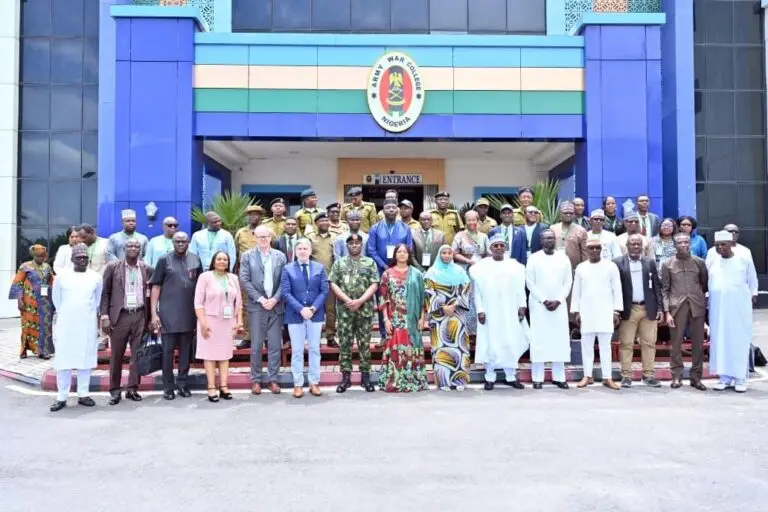
The European Union, United Nations Office on Drugs and Crime and Economic Community of West African States have pledged support for Nigeria’s 2026–2030 drug control plan aimed at tackling substance abuse and illicit drug trafficking.
The organisations gave the assurance during the opening session of a two-day National Drug Control Master Plan (NDCMP) Consultative Forum organised by the National Drug Law Enforcement Agency on Monday in Abuja.
The Deputy Head of the EU Delegation to Nigeria and ECOWAS, Zissimos Vergos, said the EU was ready to support Nigeria in its ongoing efforts to combat drug-related challenges.
“Our presence here today is that of partners who have walked this uphill and difficult road ourselves, and we continue to do so.
“We have learned valuable lessons, and we believe deeply that Nigeria’s stability and Europe’s security are inseparable. What affects the youth of Maiduguri or the streets of Ibadan does not remain within Nigerian borders,” he said.
Vergos described drug trafficking as a transnational challenge, adding that the proposed master plan represented Nigeria’s contribution to a global response.
He said Nigeria possessed the institutions, talent, and experience needed to tackle the challenge and assured that the EU would remain committed to supporting implementation of the plan.
He also commended the NDLEA leadership and stakeholders for their dedication to addressing drug-related issues.
“I believe together we can turn the master plan into tangible progress by saving lives, securing communities, and building a healthier and safer future,” he added.
In his goodwill message, the UNODC Country Representative, Chiekh Touré, said the global drug landscape was changing rapidly due to the rise of synthetic drugs, sophisticated trafficking networks, and technology-driven illicit markets.
“Nigeria stands at the intersection of these developments.
“This underscores the urgency of developing a master plan that is comprehensive, balanced, data-driven, forward-looking, and adaptable to emerging threats,” he said.
READ ALSO: New report exposes how Nigerian govt uses surveillance tech to track critics
According to him, the UNODC partnership with the NDLEA and the Federal Government extends beyond strengthening law enforcement to promoting drug demand reduction, evidence-based prevention, treatment, and international cooperation.
“As we look ahead, we see this master plan as an opportunity to deepen impact, strengthen data systems, and reinforce institutions at all levels of governance,” he said.
Also speaking, ECOWAS Commissioner for Human Development and Social Affairs, Daniel Amankwaah, said the Nigerian master plan remained important to the regional body.
He noted that some materials used by member states had originated from the initiative and expressed satisfaction that previous support to the NDLEA had yielded positive results.
“I want to assure you that the ECOWAS Commission is ready to accompany Nigeria, not only in developing this plan but also during implementation so that together we can build a safer society,” he said.
