


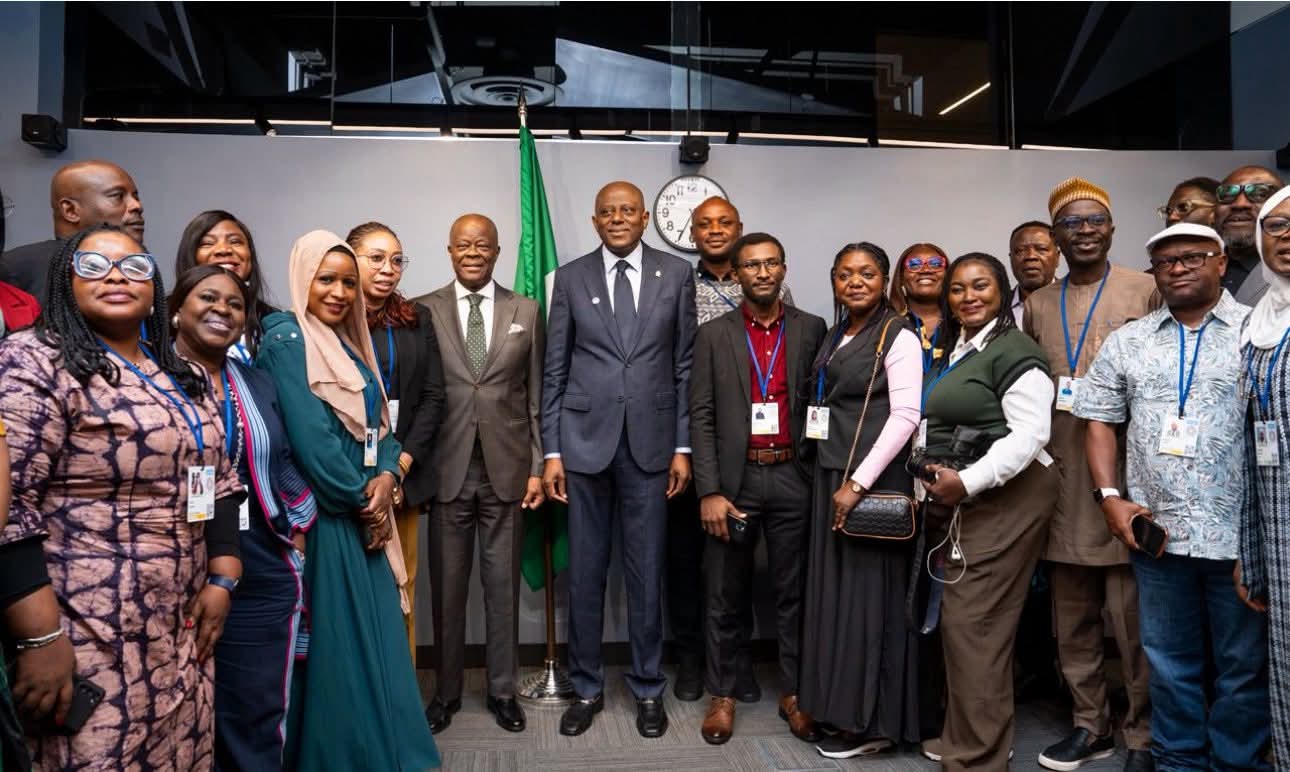
The Governor of the Central Bank of Nigeria (CBN), Olayemi Cardoso, has reaffirmed Nigeria’s commitment to sustained economic reforms and macroeconomic stability as the 2026 Spring Meetings of the World Bank wrapped up in Washington, D.C.
Cardoso said Nigeria remained firmly on track in consolidating recent economic gains, stressing that the apex bank would continue to prioritise reforms, strengthen institutional capacity, and support long-term growth.
He noted that Nigeria demonstrated “strong leadership” at the meetings, reaffirming its commitment to policies that promote stability, growth, and economic opportunity.
ALSO READ CBN, IFSB meet to deepen Islamic Finance Cooperation at IMF/World Bank meetings
ALSO READ [EXPLAINER] 10 changes customers should know about CBN’s new BVN rules
ALSO READ CBN, NCC sign pact to boost consumer protection, tackle fraud
“Despite global uncertainty, Nigeria’s reform progress continues to stand out. Our policies are strengthening the naira, boosting reserves, and building investor confidence and capital inflows,” Cardoso said.
The CBN governor added that ongoing reforms were already yielding results, citing improvements in inflation trends, increased stability in the foreign exchange market, and strengthened monetary policy frameworks.
“Reforms are delivering results: lower inflation, stable FX markets, and stronger monetary policy are helping to build a solid foundation for long-term growth,” he said.
Cardoso also reiterated Nigeria’s readiness to deepen regional financial integration, highlighting the country’s role as host of the in Abuja, which he described as a critical step toward enhanced African monetary cooperation.
On the domestic front, he pointed to the recent banking sector recapitalisation exercise, which raised ₦4.65 trillion. According to him, the exercise attracted a diversified investor base, with 72.55 per cent domestic participation and 27.45 per cent foreign inflows—an indication of both local ownership and growing international confidence in Nigeria’s financial system.
Cardoso further disclosed that the CBN’s target of achieving $1 billion in monthly diaspora remittances by the end of 2026 remains on course. He urged commercial banks to leverage ongoing reforms and improved systems to ensure seamless transactions for Nigerians in the diaspora.
Expressing confidence in the country’s external position, the CBN governor said Nigeria’s foreign reserves remained robust, while the foreign exchange market had become more market-driven with sufficient liquidity to function efficiently.
He also highlighted the apex bank’s collaboration with the IMF-backed, noting that the partnership would enhance human capacity development and institutional strength.
“Our focus is unwavering: sustain reforms, strengthen institutions, and ensure data-driven decisions that support a stable, growing economy for all Nigerians,” Cardoso said.
