

• Home
  • Agric
  • Sci & Tech
  • Health
  • Environment
  • Hausa News
  • More
    • Business/Banking & Finance
    • Politics/Elections
    • Entertainments & Sports
    • International
    • Investigation
    • Law & Human Rights
    • Africa
    • ACCOUNTABILITY/CORRUPTION
    • Hassan Gimba
    • Column
    • Prof. Jibrin Ibrahim
    • Prof. M.K. Othman
    • Defense/Security
    • Education
    • Energy/Electricity
    • Entertainment/Arts & Sports
    • Society and Lifestyle
    • Food & Agriculture
    • Health & Healthy Living
    • International News
    • Interviews
    • Investigation/Fact-Check
    • Judiciary/Legislature/Law & Human Rights
    • Oil & Gas/Mineral Resources
    • Press Freedom/Media/PR/Journalism
    • General News
    • Presidency
  • About Us
    • Contact Us
    • Board Of Advisory
    • Privacy Policy
    • Ethics Policy
    • Teamwork And Collaboration Policy
    • Fact-Checking Policy
    • Advertising
  • Media OutReach Newswire
    • Wire News
  • The Stories
Facebook Twitter Instagram
Trending
  • Lagos cracks down on E-waste
  • Nigeria achieves 91% aviation safety rating
  • Nigeria must shift from reform to investment, NESG says
  • Naira holds steady at N1,582/€ as Euro weakens amid energy, growth pressures
  • Girls encouraged to lead in AI, digital economy
  • Experts call for boost in local snail production
  • FUTA MBBS programme secures MDCN accreditation, gets 100-student quota
  • West Africa advances lassa fever vaccine readiness
Facebook Twitter Instagram YouTube
AsheNewsAsheNews
  • Home
  • Agric

    Experts call for boost in local snail production

    April 23, 2026

    [EXPLAINER] Bottled water under the microscope: Why some brands stand out

    April 23, 2026

    Food prices remain elevated despite N7.65trn imports, FG interventions

    April 23, 2026

    Shettima inaugurates Kano grain facility

    April 23, 2026

    Lawmakers back post-harvest innovation

    April 23, 2026
  • Sci & Tech

    Girls encouraged to lead in AI, digital economy

    April 23, 2026

    RMRDC launches data-driven raw materials platform to boost investment, industrial growth

    April 21, 2026

    Apple names John Ternus as new CEO to lead $4trn tech giant

    April 21, 2026

    Tinubu appoints Fatima Zuntu as NBMA Director-General

    April 21, 2026

    LIFE-ND trains Abia workers in ICT, AI

    April 20, 2026
  • Health

    West Africa advances lassa fever vaccine readiness

    April 23, 2026

    ARD-KWASUTH begins 48-hour warning strike over assault on doctor

    April 23, 2026

    Nigeria strengthens response to SGBV

    April 23, 2026

    NMA suspends national president

    April 23, 2026

    Sightsavers trains health workers in sign language

    April 23, 2026
  • Environment

    Lagos cracks down on E-waste

    April 23, 2026

    Nigeria achieves 91% aviation safety rating

    April 23, 2026

    FG seeks $516m external financing for Sokoto–Badagry superhighway

    April 23, 2026

    NGE warns NBC over sanction threat

    April 22, 2026

    Don urges geographers to tackle forest crisis

    April 21, 2026
  • Hausa News

    Otti plans 250-room 5-star hotel in Umuahia

    April 11, 2026

    Anti-quackery task force seals 4 fake hospitals in Rivers

    August 29, 2025

    [BIDIYO] Yadda na lashe gasa ta duniya a fannin Ingilishi – Rukayya ‘yar shekara 17

    August 6, 2025

    A Saka Baki, A Sasanta Saɓani Tsakanin ‘Yanjarida Da Liman, Daga Muhammad Sajo

    May 21, 2025

    Dan majalisa ya raba kayan miliyoyi a Funtuwa da Dandume

    March 18, 2025
  • More
    1. Business/Banking & Finance
    2. Politics/Elections
    3. Entertainments & Sports
    4. International
    5. Investigation
    6. Law & Human Rights
    7. Africa
    8. ACCOUNTABILITY/CORRUPTION
    9. Hassan Gimba
    10. Column
    11. Prof. Jibrin Ibrahim
    12. Prof. M.K. Othman
    13. Defense/Security
    14. Education
    15. Energy/Electricity
    16. Entertainment/Arts & Sports
    17. Society and Lifestyle
    18. Food & Agriculture
    19. Health & Healthy Living
    20. International News
    21. Interviews
    22. Investigation/Fact-Check
    23. Judiciary/Legislature/Law & Human Rights
    24. Oil & Gas/Mineral Resources
    25. Press Freedom/Media/PR/Journalism
    26. General News
    27. Presidency
    Featured
    Recent

    Lagos cracks down on E-waste

    April 23, 2026

    Nigeria achieves 91% aviation safety rating

    April 23, 2026

    Nigeria must shift from reform to investment, NESG says

    April 23, 2026
  • About Us
    1. Contact Us
    2. Board Of Advisory
    3. Privacy Policy
    4. Ethics Policy
    5. Teamwork And Collaboration Policy
    6. Fact-Checking Policy
    7. Advertising
    Featured
    Recent

    Lagos cracks down on E-waste

    April 23, 2026

    Nigeria achieves 91% aviation safety rating

    April 23, 2026

    Nigeria must shift from reform to investment, NESG says

    April 23, 2026
  • Media OutReach Newswire
    • Wire News
  • The Stories
AsheNewsAsheNews
Home»Viewpoint»Addressing the Diabetes Burden in Nigeria, By Abiemwense Moru
Viewpoint

Addressing the Diabetes Burden in Nigeria, By Abiemwense Moru

EditorBy EditorNovember 20, 2024Updated:November 20, 2024No Comments5 Mins Read
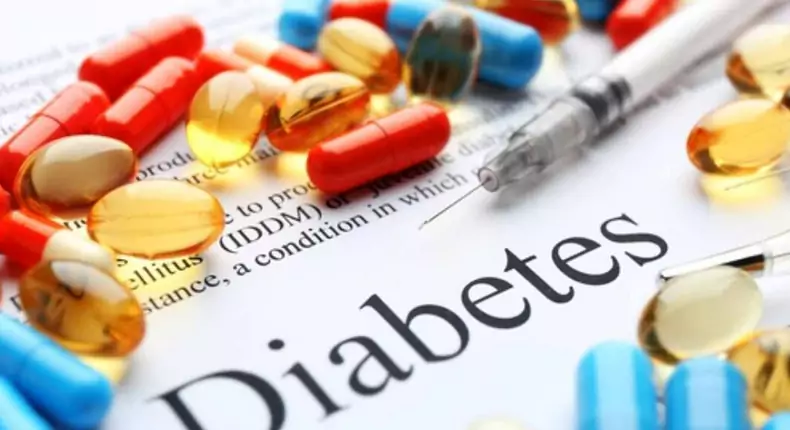
Diabetes 2
Share
Facebook Twitter LinkedIn Pinterest Email

Diabetes has emerged as a major health concern in Nigeria, with its prevalence steadily increasing and management becoming more challenging. Unfortunately, this situation is exacerbated by widespread underdiagnosis, high treatment costs, and systemic inefficiencies within the healthcare sector.

Moreover, the growing number of diabetes cases in Nigeria is attributed to a combination of genetic predispositions and lifestyle changes, such as unhealthy diets and physical inactivity.

According to the Access to Medicine Foundation (ATMF), approximately 3.5 million Nigerians are living with diabetes. However, this figure is likely underestimated due to low diagnosis rates.

The ATMF estimates that, as of 2021, 2.7 per cent of adults aged 20–79 were living with diabetes.

Furthermore, the economic burden of the disease in Africa, including Nigeria, is immense. Diabetes-related healthcare expenditures across the continent are estimated to total approximately $12.5 billion annually.

The World Health Organisation (WHO) notes that this financial strain is further aggravated by rising treatment costs, limited access to affordable healthcare, and an increasing number of cases.

As a result, there is an urgent need for comprehensive strategies to address both prevention and treatment.

In Nigeria, diabetes patients frequently pay for their care out-of-pocket, with average annual expenses reaching $500 per person. Consequently, this financial burden significantly impacts families and limits access to essential medications like insulin.

Specifically, Type 2 diabetes, the most prevalent form in Nigeria, is linked to urbanisation, unhealthy diets, and sedentary lifestyles. On the other hand, Type 1 diabetes, though less common, requires lifelong insulin therapy, presenting unique challenges, especially for children.

To address these concerns, the Diabetes Association of Nigeria (DAN) has raised alarms over the rising costs of the care of the disease, which now threaten the well-being of over 6 million Nigerians diagnosed with the condition.

At an event commemorating World Diabetes Day on 14 November, DAN highlighted the need for affordable treatment options. By reducing the severe physical, mental, and economic toll of diabetes on Nigerians, the association hopes to improve the quality of life for those affected.

During the event, Dr Ejiofor Ugwu, National President of DAN, emphasised the importance of accessible and affordable diabetes care to safeguard millions of lives. He cautioned that untreated diabetes could result in serious complications, including cardiovascular diseases, kidney failure, nerve damage, vision loss, limb amputations, and premature death.

Nevertheless, the association identified several barriers to diabetes management in Nigeria, particularly within the healthcare system.

For example, access to affordable care remains limited, while insulin, primarily supplied by global manufacturers such as Eli Lilly, Novo Nordisk, and Sanofi is often prohibitively expensive. In addition, health experts have warned that diabetes in Nigeria is rapidly reaching epidemic levels.

Therefore, coordinated efforts from the government, healthcare providers, and community stakeholders are urgently needed.

Experts believe that addressing these barriers, improving public awareness, and fostering strategic partnerships are crucial steps in alleviating the burden of diabetes.

For instance, in Lagos State, the Commissioner for Health, Prof. Akin Abayomi, underscored the importance of effective diabetes management.

He explained that the body’s inability to process sugar properly leads to its accumulation, which in turn causes damage to various organs.

Moreover, he noted that there are two primary types of diabetes: one that occurs in youth and another in older age, with the latter being more prevalent.

Prof. Abayomi attributed these conditions to a combination of genetic and environmental factors.

Meanwhile, Osi Uti, a diabetes survivor, shared his journey of being diagnosed 10 years ago.

He recounted how lifestyle adjustments, such as adopting a healthier diet and engaging in regular exercise, helped him regain control of his health.

Now an advocate, Uti calls for greater awareness and education on diabetes management in Nigeria.

In addition to these individual stories, various organisations and states have taken steps to address diabetes awareness and management.

For example, the Ahmed Bola Oduleye Charity (ABOC) Foundation has encouraged residents of Nasarawa State to engage in regular exercise.

The foundation’s CEO, Mr Ahmed Oduleye, emphasised the importance of monitoring blood sugar levels, blood pressure, and Body Mass Index (BMI) to maintain good health.

Similarly, in Lokoja, Dr Olorunfemi Adebayo, a Consultant Endocrinologist at the Federal Teaching Hospital Lokoja, called on the government to tackle the proliferation of counterfeit diabetes medications.

Additionally, he highlighted the importance of regular health screenings for early detection, pointing out that many individuals live with diabetes for years without being diagnosed.

“By the time they are diagnosed, complications such as eye or kidney damage may have already developed,” he said.

In a related development, the Public and Private Development Centre (PPDC) has urged Nigerians to prioritise healthy living and regular health checks.

Also, the organisation called on the government to adopt a multi-faceted approach to tackle the growing diabetes crisis.

Such an approach would include raising awareness, providing education, and improving access to healthcare services.

Likewise, at the University College Hospital in Ibadan, Dr Jokotade Adeleye, a Consultant Endocrinologist, called for collaborative efforts to address the diabetes crisis.

She recommended integrated, multi-sectoral interventions at all levels of care, alongside proper training for healthcare personnel.

To curb the rising number of diabetes cases, the Federal Government has introduced a tax on Sugar-Sweetened Beverages (SSBs).

According to Prof. Ali Pate, Coordinating Minister of Health and Social Welfare, the tax aims to reduce the consumption of sugary drinks, thereby lowering obesity rates and related diseases.

In conclusion, as Nigeria’s diabetes burden continues to grow, stakeholders are calling for urgent action across all sectors of society.

While government measures, such as the SSB tax, represent a step in the right direction, they also emphasise that individuals must take responsibility for their health.

By raising public awareness, ensuring access to affordable care, and fostering collaboration among stakeholders, Nigeria can more effectively manage and reduce the impact of diabetes on its population.

NANFeatures

Access to Medicine Foundation Diabetes Diabetes Association of Nigeria WHO
Share. Facebook Twitter Pinterest LinkedIn WhatsApp Reddit Tumblr Email
Editor
  • Website

Related Posts

[VIEWPOINT] Why Adeyanju earns 90% approval in Ondo North senate poll, By Bashir Adefaka

April 23, 2026

ILO warns rising workplace risks threaten workers lives

April 23, 2026

INEC’s farcical self-acquittal of Amupitan, By Farooq Kperogi

April 21, 2026

Leave A Reply Cancel Reply

Lagos cracks down on E-waste

April 23, 2026

Nigeria achieves 91% aviation safety rating

April 23, 2026

Nigeria must shift from reform to investment, NESG says

April 23, 2026

Naira holds steady at N1,582/€ as Euro weakens amid energy, growth pressures

April 23, 2026
About Us
About Us

ASHENEWS (AsheNewsDaily.com), published by PenPlus Online Media Publishers, is an independent online newspaper. We report development news, especially on Agriculture, Science, Health and Environment as they affect the under-reported rural and urban poor.

We also conduct investigations, especially in the areas of ASHE, as well as other general interests, including corruption, human rights, illicit financial flows, and politics.

Contact Info:
  • 1st floor, Dogon Daji House, No. 5, Maiduguri Road, Sokoto
  • +234(0)7031140009
  • ashenewsdaily@gmail.com
Facebook Twitter Instagram Pinterest
© 2026 All Rights Reserved. ASHENEWS Daily Designed & Managed By DeedsTech

Type above and press Enter to search. Press Esc to cancel.