

• Home
  • Agric
  • Sci & Tech
  • Health
  • Environment
  • Hausa News
  • More
    • Business/Banking & Finance
    • Politics/Elections
    • Entertainments & Sports
    • International
    • Investigation
    • Law & Human Rights
    • Africa
    • ACCOUNTABILITY/CORRUPTION
    • Hassan Gimba
    • Column
    • Prof. Jibrin Ibrahim
    • Prof. M.K. Othman
    • Defense/Security
    • Education
    • Energy/Electricity
    • Entertainment/Arts & Sports
    • Society and Lifestyle
    • Food & Agriculture
    • Health & Healthy Living
    • International News
    • Interviews
    • Investigation/Fact-Check
    • Judiciary/Legislature/Law & Human Rights
    • Oil & Gas/Mineral Resources
    • Press Freedom/Media/PR/Journalism
    • General News
    • Presidency
  • About Us
    • Contact Us
    • Board Of Advisory
    • Privacy Policy
    • Ethics Policy
    • Teamwork And Collaboration Policy
    • Fact-Checking Policy
    • Advertising
  • Media OutReach Newswire
    • Wire News
  • The Stories
Facebook Twitter Instagram
Trending
  • L-PRES to scale NVRI vaccine production from 150m to 850m doses
  • Adamawa warns against farming, building on waterways ahead of 2026 rains
  • Philanthropist pledges solar power system to Anambra teaching hospital
  • Nigerian army apprehends 5 railway vandals in Kaduna
  • Tinubu says Nigeria to spend $11.6bn on debt servicing in 2026
  • NABTEB sets registration deadlines for NCEE, May/June exams
  • Health stakeholders demand rehabilitation overhaul
  • Again, Nigeria misses OPEC production quota
Facebook Twitter Instagram YouTube
AsheNewsAsheNews
  • Home
  • Agric

    L-PRES to scale NVRI vaccine production from 150m to 850m doses

    May 13, 2026

    Kano tomato farmers seek processing plants

    May 13, 2026

    Only 30% of Nigerian farmers use mechanisation – AFAN

    May 12, 2026

    Ebonyi lecturer calls for massive palm tree plantations

    May 12, 2026

    How strategic partnerships will sustain blue economy in West Africa, by Abdallah el-Kurebe

    May 11, 2026
  • Sci & Tech

    ECOWAS pushes information integrity

    May 13, 2026

    NSE urges engineers to join politics

    May 13, 2026

    Moniepoint deepens investment in women’s tech talent development

    May 11, 2026

    Bauchi intensifies science school enrolment to boost health workforce

    May 11, 2026

    Association calls for stronger penalties to protect telecom infrastructure

    May 8, 2026
  • Health

    Philanthropist pledges solar power system to Anambra teaching hospital

    May 13, 2026

    Health stakeholders demand rehabilitation overhaul

    May 13, 2026

    Kano partners push child healthcare

    May 13, 2026

    Nurses seek action on migration

    May 13, 2026

    Lagos targets N100bn healthcare gap with mandatory insurance, PPPs

    May 12, 2026
  • Environment

    Adamawa warns against farming, building on waterways ahead of 2026 rains

    May 13, 2026

    West Africa’s blue economy must balance growth, security and climate resilience — BOAD Director

    May 13, 2026

    FG backs national tourism compendium

    May 13, 2026

    Katsina inaugurates rail committee

    May 13, 2026

    ValueJet launches new Owerri-Abuja, Accra-Banjul routes

    May 13, 2026
  • Hausa News

    Otti plans 250-room 5-star hotel in Umuahia

    April 11, 2026

    Anti-quackery task force seals 4 fake hospitals in Rivers

    August 29, 2025

    [BIDIYO] Yadda na lashe gasa ta duniya a fannin Ingilishi – Rukayya ‘yar shekara 17

    August 6, 2025

    A Saka Baki, A Sasanta Saɓani Tsakanin ‘Yanjarida Da Liman, Daga Muhammad Sajo

    May 21, 2025

    Dan majalisa ya raba kayan miliyoyi a Funtuwa da Dandume

    March 18, 2025
  • More
    1. Business/Banking & Finance
    2. Politics/Elections
    3. Entertainments & Sports
    4. International
    5. Investigation
    6. Law & Human Rights
    7. Africa
    8. ACCOUNTABILITY/CORRUPTION
    9. Hassan Gimba
    10. Column
    11. Prof. Jibrin Ibrahim
    12. Prof. M.K. Othman
    13. Defense/Security
    14. Education
    15. Energy/Electricity
    16. Entertainment/Arts & Sports
    17. Society and Lifestyle
    18. Food & Agriculture
    19. Health & Healthy Living
    20. International News
    21. Interviews
    22. Investigation/Fact-Check
    23. Judiciary/Legislature/Law & Human Rights
    24. Oil & Gas/Mineral Resources
    25. Press Freedom/Media/PR/Journalism
    26. General News
    27. Presidency
    Featured
    Recent

    L-PRES to scale NVRI vaccine production from 150m to 850m doses

    May 13, 2026

    Adamawa warns against farming, building on waterways ahead of 2026 rains

    May 13, 2026

    Philanthropist pledges solar power system to Anambra teaching hospital

    May 13, 2026
  • About Us
    1. Contact Us
    2. Board Of Advisory
    3. Privacy Policy
    4. Ethics Policy
    5. Teamwork And Collaboration Policy
    6. Fact-Checking Policy
    7. Advertising
    Featured
    Recent

    L-PRES to scale NVRI vaccine production from 150m to 850m doses

    May 13, 2026

    Adamawa warns against farming, building on waterways ahead of 2026 rains

    May 13, 2026

    Philanthropist pledges solar power system to Anambra teaching hospital

    May 13, 2026
  • Media OutReach Newswire
    • Wire News
  • The Stories
AsheNewsAsheNews
Home»Health & Healthy Living»The Resurgence of Diphtheria: Understanding Challenges, Crafting a Response
Health & Healthy Living

The Resurgence of Diphtheria: Understanding Challenges, Crafting a Response

EditorBy EditorAugust 29, 2024Updated:August 29, 2024No Comments5 Mins Read
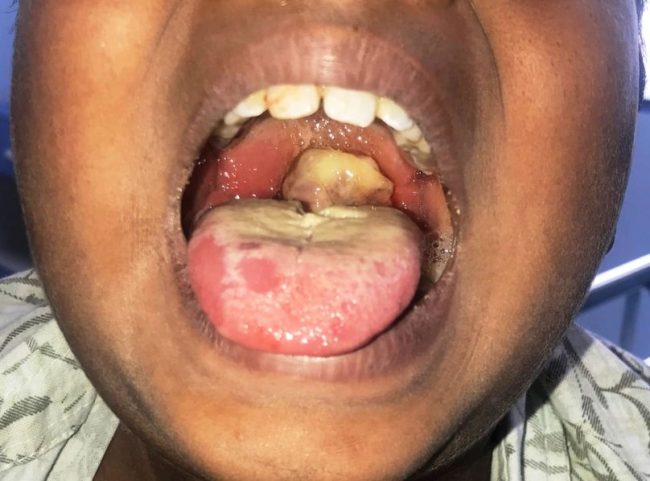
Diphtheria resurgence kills 4 in Kano
Diphtheria disease
Share
Facebook Twitter LinkedIn Pinterest Email

The recent resurgence of diphtheria in the Tukur-Tukur community in Zaria serves as an urgent clarion call for public health stakeholders in Nigeria. This tragic outbreak, marked by the loss of five children in a mere 24-hour span, underscores the authentic and perennial threats posed by infectious diseases. The alarming symptoms observed—severe throat infections, pronounced breathing difficulties, and notable cutaneous manifestations—have placed families and health officials on high alert, casting a dark shadow of a potential epidemic over not just Tukur-Tukur, but potentially the broader Nigerian landscape.

By Abdul-Azeez Suleiman

Historically, Nigeria has made commendable strides in controlling diphtheria through extensive immunization campaigns. Nonetheless, recent epidemiological trends and enduring socioeconomic challenges have rendered the fading specter of this once-controlled disease alarmingly potent. On a biological front, diphtheria is caused by Corynebacterium diphtheriae, which secretes a virulent exotoxin capable of inducing severe systemic complications. The primary mode of transmission, facilitated via respiratory droplets, complicates containment efforts, particularly within densely populated regions where human interactions are frequent and close.

The unsettling outbreak in Tukur-Tukur, confirmed by health authorities including Dr. Bello Jamo, Executive Secretary of the Kaduna State Primary Health Care Board, marks a broader, disturbing trend prevalent across Nigeria. Data indicates that multiple states—Kano, Yobe, Bauchi, Katsina, Borno, and Jigawa—have reported confirmed cases of diphtheria since the beginning of 2023, painting a somber picture of an outbreak that is both expansive and alarming. The Nigeria Centre for Disease Control and Prevention (NCDC) has documented over 20,000 suspected cases, with a staggering 12,000 confirmed, alongside a concerning fatality rate of 4.6%. This situation necessitates prompt and decisive action from public health systems at multiple levels.

Several interlinked factors converge to facilitate the resurgence of diphtheria, primarily a notable decline in vaccination coverage. Most disquietingly, approximately 69.4% of confirmed cases reside within children aged 1 to 14 years. Inadequate access to diphtheria antitoxin and limited diagnostic capabilities in many healthcare facilities compound the crisis; startlingly, only 26.5% of confirmed cases had adhered to the necessary diphtheria vaccination schedule. To mitigate future outbreaks and safeguard public health, the ramifications of community reluctance surrounding vaccination initiatives must be tackled urgently.

ALSO READ WHO says 14 African countries pledge $45m to investment round

The current resurgence is not isolated; it embodies broader public health challenges that Nigeria continues to confront. On December 1, 2022, the NCDC reported suspected outbreaks in Lagos and Kano states, and by January 2023, diphtheria had spread to other regions—including Osun and Yobe. The statistics are staggering, with over 20,000 suspected cases and approximately 12,086 confirmed cases reported by December 3, 2023. Vulnerable populations, particularly children aged 1-14, account for 69.4% of these confirmed cases, indicating an urgent need for targeted public health interventions.

Given these multi-layered challenges, formulating effective and immediate response measures is imperative to mitigate the outbreak’s impact. A multifaceted strategy, integrating both immediate public health interventions and long-term systemic changes, is vital for strengthening Nigeria’s healthcare framework.

A coordinated response from public health authorities—spanning local, state, and federal levels—is essential for addressing the resurgence of diphtheria. Despite initial response measures in progress, significant challenges remain across several public health domains. A robust surveillance system must be established to facilitate rapid detection and response to diphtheria cases. This involves training healthcare workers to recognize symptoms and report effectively, along with enhancing lab capabilities for precise diagnosis.

Central to combating diphtheria is an aggressive immunization strategy that emphasizes comprehensive vaccination programs targeting high-risk populations. School-based and community outreach initiatives can be employed to raise awareness and ensure vaccine access. Staunch efforts must be taken to educate communities on the critical importance of adhering to the vaccination schedule and dispelling myths that may hinder compliance.

In addition to proactive vaccination efforts, intensified public awareness campaigns are vital to curb the outbreak. The messaging should clearly articulate modes of transmission, recognizable symptoms, and the necessity for early medical intervention. Engaging local community leaders and influencers in these educational endeavors can enhance the credibility of health communications and encourage better health-seeking behaviors.

Investment in Nigeria’s healthcare infrastructure, particularly in regions severely affected by diphtheria, is vital. Ensuring consistent supply chains for vaccines and therapeutic agents, alongside training healthcare providers in recognizing and addressing diphtheria cases, can significantly bolster the nation’s public health response.

The intricacies of addressing diphtheria call for collaboration with global health entities, including the World Health Organization (WHO) and the Global Vaccine Alliance (Gavi). These partnerships can offer essential technical support, resources, and expertise that can enhance Nigeria’s ability to manage the outbreak effectively.

The resurgence of diphtheria in Nigeria elucidates a complex public health crisis, underpinned by a myriad of social, economic, and healthcare challenges. Addressing this pressing issue demands a coherent, collaborative approach that prioritizes vaccination, strengthens diagnostic and surveillance mechanisms, and promotes public awareness. Only through synergistic efforts engaging healthcare providers, governments, and international partners can Nigeria hope to quell this crisis, safeguard public health, and prevent future outbreaks of diphtheria.

Responding to this public health emergency necessitates strategic action informed by empirical data and the insights of the affected communities. By employing a multifaceted approach and enhancing collaboration among local, state, and international health organizations, Nigeria can strive towards ensuring a healthier future for its most vulnerable populations—particularly its children—who find themselves on the frontline of this outbreak. Through collective action and a strengthened commitment to public health, Nigeria can transform the impending threat of diphtheria from an immediate crisis into a manageable concern, thereby fortifying the well-being of its future generations.

diphtheria UNICEF WHO Zaria community
Share. Facebook Twitter Pinterest LinkedIn WhatsApp Reddit Tumblr Email
Editor
  • Website

Related Posts

Philanthropist pledges solar power system to Anambra teaching hospital

May 13, 2026

Health stakeholders demand rehabilitation overhaul

May 13, 2026

Kano partners push child healthcare

May 13, 2026

Leave A Reply Cancel Reply

L-PRES to scale NVRI vaccine production from 150m to 850m doses

May 13, 2026

Adamawa warns against farming, building on waterways ahead of 2026 rains

May 13, 2026

Philanthropist pledges solar power system to Anambra teaching hospital

May 13, 2026

Nigerian army apprehends 5 railway vandals in Kaduna

May 13, 2026
About Us
About Us

ASHENEWS (AsheNewsDaily.com), published by PenPlus Online Media Publishers, is an independent online newspaper. We report development news, especially on Agriculture, Science, Health and Environment as they affect the under-reported rural and urban poor.

We also conduct investigations, especially in the areas of ASHE, as well as other general interests, including corruption, human rights, illicit financial flows, and politics.

Contact Info:
  • 1st floor, Dogon Daji House, No. 5, Maiduguri Road, Sokoto
  • +234(0)7031140009
  • ashenewsdaily@gmail.com
Facebook Twitter Instagram Pinterest
© 2026 All Rights Reserved. ASHENEWS Daily Designed & Managed By DeedsTech

Type above and press Enter to search. Press Esc to cancel.