


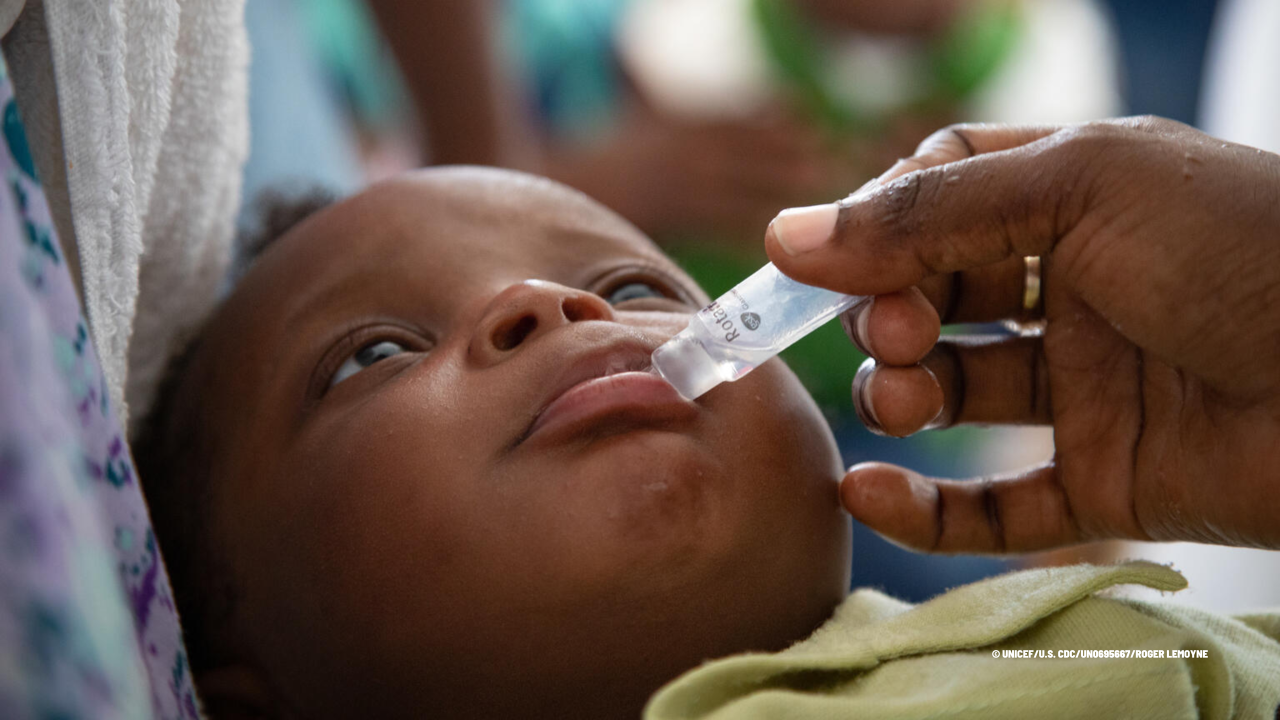
The United Nations Children’s Fund (UNICEF) has praised the Fathers for Good Health program for helping to solve healthcare problems in Bauchi State.
This program, created by UNICEF and funded by the Canadian Government, encourages men to support their wives in going to clinics, getting routine vaccines, attending antenatal care, and practicing good hygiene.
Speaking during a Father’s Day event, George Eki, a UNICEF official in Bauchi, said the program was started to reach children who had not yet received any vaccinations.
To do this, UNICEF and the Bauchi State Primary Healthcare Development Board carried out a quick study in Misau and Ningi local government areas.
Eki said they wanted to understand why some parents refused to vaccinate their children.
He explained that they discovered many mothers were willing, but said the final decision came from the fathers.
The mothers told them that if they wanted more children to get vaccinated, they needed to talk to the fathers first. So, that’s what UNICEF did—and it worked well.
Eki added that the group reached 113 wards, worked with 9,252 communities, and helped 109,444 children receive routine vaccines in seven local government areas of Bauchi.
He also said the *Fathers for Good Health* group now has 1,130 members, and more volunteers are joining.
He explained that in every area they work in, 10 men go to each ward to talk to other fathers and convince them to take their children for vaccinations.
The program now also includes support for nutrition, education, and child protection to solve more problems affecting mothers and children.
During a visit by journalists to Misau LGA, a father named Turaki Goje shared his story. He said he used to reject vaccines because he never got them as a child.
He said members of the group visited him several times, but he sent them away until one day he agreed to listen.
After hearing their message, he agreed to vaccinate his children, and now they are all healthy.
Later, he even invited the group to his village to speak to others. The villagers, especially the women, accepted the vaccines.
He admitted that in the past, he suspected vaccines had a hidden agenda because they were mostly given in the northern parts of the country.
Another group member, Nura Aliyu, said that before the program started, people didn’t trust polio vaccines, pregnant women avoided hospitals, and many gave birth at home, which sometimes caused problems.
He said things have changed now. People are visiting hospitals more, women go for antenatal care, and even malnourished children have gotten better.
Before, many families refused to vaccinate their babies, and pregnant women didn’t know the benefits of hospital care. Now, things are improving thanks to the program.
