

• Home
  • Agric
  • Sci & Tech
  • Health
  • Environment
  • Hausa News
  • More
    • Business/Banking & Finance
    • Politics/Elections
    • Entertainments & Sports
    • International
    • Investigation
    • Law & Human Rights
    • Africa
    • ACCOUNTABILITY/CORRUPTION
    • Hassan Gimba
    • Column
    • Prof. Jibrin Ibrahim
    • Prof. M.K. Othman
    • Defense/Security
    • Education
    • Energy/Electricity
    • Entertainment/Arts & Sports
    • Society and Lifestyle
    • Food & Agriculture
    • Health & Healthy Living
    • International News
    • Interviews
    • Investigation/Fact-Check
    • Judiciary/Legislature/Law & Human Rights
    • Oil & Gas/Mineral Resources
    • Press Freedom/Media/PR/Journalism
    • General News
    • Presidency
  • About Us
    • Contact Us
    • Board Of Advisory
    • Privacy Policy
    • Ethics Policy
    • Teamwork And Collaboration Policy
    • Fact-Checking Policy
    • Advertising
  • Media OutReach Newswire
    • Wire News
  • The Stories
Facebook Twitter Instagram
Trending
  • Nwoko celebrates women as foundation of society
  • NUJ trains journalists on accurate court reporting in Sokoto
  • Expert urges NNPC to ensure transparency in China refinery partnership
  • Katsina children’s parliament intensifies girl-child education campaign in Mashi
  • Former AGF Malami picks Kebbi ADC governorship form, declares “state of emergency on misgovernance”
  • Why we declared ex-minister Sadiya Farouq wanted – EFCC
  • Don’t use religion to inflame political tensions, TMG warns Pantami
  • Association disburses over N14.6m scholarship to 140 students
Facebook Twitter Instagram YouTube
AsheNewsAsheNews
  • Home
  • Agric

    Uganda’s new anti-tick vaccine a revolution for African agriculture — Scientists

    May 9, 2026

    Cocoa farmers push for local processing factories

    May 7, 2026

    AFAN blames middlemen, high transport costs for rising food prices

    May 7, 2026

    Lagos resident lament soaring tomato prices

    May 6, 2026

    FG unveils 2025–2030 revised national gender policy on agrifood systems

    May 6, 2026
  • Sci & Tech

    Association calls for stronger penalties to protect telecom infrastructure

    May 8, 2026

    Hemingway’s Safaris Africa, LCCI host AI robotics bootcamp

    May 8, 2026

    Nigeria ranks among top AI-adopting nations

    May 7, 2026

    UBA, MTN MoMo, RedTech unveil cardless payment solution

    May 6, 2026

    Uganda unveils first homegrown biotech livestock vaccine, targets regional leadership

    May 3, 2026
  • Health

    NMA Anambra gives 48-hour ultimatum over abducted doctor

    May 9, 2026

    KSCHMA completes statewide reaccreditation of primary healthcare centres

    May 9, 2026

    Uganda’s new anti-tick vaccine a revolution for African agriculture — Scientists

    May 9, 2026

    World Asthma Day 2026: Can Nigeria prosper if its children cannot breathe? By Prof. Chiwuike Uba, Ph.D.

    May 9, 2026

    Red Cross urges Nigerians to unite for humanity

    May 9, 2026
  • Environment

    African experts reject fossil fuel dependence, back renewable energy transition

    May 9, 2026

    Mahmoud named minister of state of the year

    May 9, 2026

    Tyre burst kills 4 in bus crash

    May 8, 2026

    Faith leaders call for just energy transition in Nigeria

    May 7, 2026

    FG to close 1 carriageway of Eko bridge for repairs

    May 7, 2026
  • Hausa News

    Otti plans 250-room 5-star hotel in Umuahia

    April 11, 2026

    Anti-quackery task force seals 4 fake hospitals in Rivers

    August 29, 2025

    [BIDIYO] Yadda na lashe gasa ta duniya a fannin Ingilishi – Rukayya ‘yar shekara 17

    August 6, 2025

    A Saka Baki, A Sasanta Saɓani Tsakanin ‘Yanjarida Da Liman, Daga Muhammad Sajo

    May 21, 2025

    Dan majalisa ya raba kayan miliyoyi a Funtuwa da Dandume

    March 18, 2025
  • More
    1. Business/Banking & Finance
    2. Politics/Elections
    3. Entertainments & Sports
    4. International
    5. Investigation
    6. Law & Human Rights
    7. Africa
    8. ACCOUNTABILITY/CORRUPTION
    9. Hassan Gimba
    10. Column
    11. Prof. Jibrin Ibrahim
    12. Prof. M.K. Othman
    13. Defense/Security
    14. Education
    15. Energy/Electricity
    16. Entertainment/Arts & Sports
    17. Society and Lifestyle
    18. Food & Agriculture
    19. Health & Healthy Living
    20. International News
    21. Interviews
    22. Investigation/Fact-Check
    23. Judiciary/Legislature/Law & Human Rights
    24. Oil & Gas/Mineral Resources
    25. Press Freedom/Media/PR/Journalism
    26. General News
    27. Presidency
    Featured
    Recent

    Nwoko celebrates women as foundation of society

    May 10, 2026

    NUJ trains journalists on accurate court reporting in Sokoto

    May 10, 2026

    Expert urges NNPC to ensure transparency in China refinery partnership

    May 10, 2026
  • About Us
    1. Contact Us
    2. Board Of Advisory
    3. Privacy Policy
    4. Ethics Policy
    5. Teamwork And Collaboration Policy
    6. Fact-Checking Policy
    7. Advertising
    Featured
    Recent

    Nwoko celebrates women as foundation of society

    May 10, 2026

    NUJ trains journalists on accurate court reporting in Sokoto

    May 10, 2026

    Expert urges NNPC to ensure transparency in China refinery partnership

    May 10, 2026
  • Media OutReach Newswire
    • Wire News
  • The Stories
AsheNewsAsheNews
Home»Food & Agriculture»Report: Gambia becomes world’s leading consumer of rice
Food & Agriculture

Report: Gambia becomes world’s leading consumer of rice

NewsdeskBy NewsdeskMarch 4, 2026Updated:March 4, 2026No Comments3 Mins Read
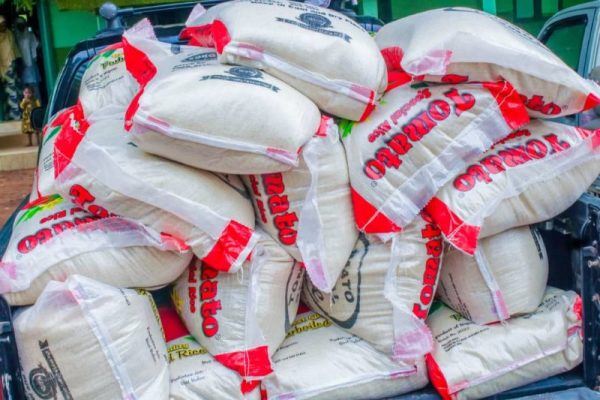
Bags of rice donated to Sokoto orphanage by Zamson Oil and Gas
File photo of bags of rice
Share
Facebook Twitter LinkedIn Pinterest Email

The Gambia has become the world’s leading consumer of rice per capita, underscoring the grain’s dominant role in national food security and everyday nutrition across the West African country.

Gambians consume an average of 256.4 kilograms of rice per person each year, according to FAO Food Balance Sheet data cited in an IMF analytical report examining food security and staple-price trends. The figures place the country ahead of several traditionally rice-dependent Asian economies.

Bangladesh ranks second globally with 246.9 kilograms per capita, followed by Vietnam at 228.1 kilograms and Thailand at 178.9 kilograms. Madagascar records annual consumption of 153.5 kilograms. Senegal — widely associated with its rice-based national dish thiéboudiène — averages about 110 kilograms per person, while consumption in Cote d’Ivoire stands between 80 and 85 kilograms, according to estimates from the United States Department of Agriculture.

Rice consumption is especially pronounced in rural communities, where dietary alternatives remain limited. The African Development Bank (AfDB) estimates that rice accounts for nearly 75 percent of caloric intake in rural areas, making it the primary source of daily nutrition for many households.

Analysts say affordability, cultural preference and accessibility have entrenched rice as the country’s most important staple food.

Rapid population growth and expanding urbanisation around the capital, Banjul, have further accelerated demand. National consumption now exceeds 300,000 tonnes of milled rice annually, up from roughly 200,000 tonnes in the early 2010s.

Urban lifestyles have reinforced reliance on imported rice varieties, particularly broken rice, which dominates retail markets due to lower prices and convenience.

Despite strong demand, domestic production remains insufficient. AfDB data shows The Gambia imports more than 170,000 tonnes of rice annually, equivalent to nearly 80 percent of national consumption.

This heavy dependence exposes the country to global market volatility. Changes in international rice prices or supply disruptions can rapidly affect local food costs, with direct implications for household purchasing power and social stability.

Economists warn that such exposure makes rice both an economic and political commodity, given its central role in daily consumption.

Agricultural experts argue that significant production potential remains unused. Of approximately 440,000 hectares of arable land nationwide, only about 15 percent is currently devoted to rice cultivation.

Limited irrigation infrastructure continues to constrain expansion, leaving many farmers dependent on unpredictable rainfall. Expanding irrigated lowlands and improving water management systems could substantially raise yields and reduce climate-related risks.

Access to fertilisers, improved seed varieties and mechanised equipment also remains uneven, limiting productivity gains.

In 2022, the Gambian government set a target of achieving rice self-sufficiency by 2027 as part of broader food security reforms.

However, development analysts caution that the objective may prove difficult without sustained investment across the agricultural value chain. Farmers continue to face barriers including limited credit access, insufficient infrastructure and high input costs.

Without long-term policy support and financing, experts say the gap between consumption and domestic production is likely to persist.

For now, The Gambia’s status as the world’s top rice consumer reflects both a deeply rooted dietary tradition and a structural vulnerability — one that closely ties national food security to global markets and import flows.

Gambia
Share. Facebook Twitter Pinterest LinkedIn WhatsApp Reddit Tumblr Email
Newsdesk
  • Website

Related Posts

Uganda’s new anti-tick vaccine a revolution for African agriculture — Scientists

May 9, 2026

Cocoa farmers push for local processing factories

May 7, 2026

AFAN blames middlemen, high transport costs for rising food prices

May 7, 2026

Leave A Reply Cancel Reply

Nwoko celebrates women as foundation of society

May 10, 2026

NUJ trains journalists on accurate court reporting in Sokoto

May 10, 2026

Expert urges NNPC to ensure transparency in China refinery partnership

May 10, 2026

Katsina children’s parliament intensifies girl-child education campaign in Mashi

May 10, 2026
About Us
About Us

ASHENEWS (AsheNewsDaily.com), published by PenPlus Online Media Publishers, is an independent online newspaper. We report development news, especially on Agriculture, Science, Health and Environment as they affect the under-reported rural and urban poor.

We also conduct investigations, especially in the areas of ASHE, as well as other general interests, including corruption, human rights, illicit financial flows, and politics.

Contact Info:
  • 1st floor, Dogon Daji House, No. 5, Maiduguri Road, Sokoto
  • +234(0)7031140009
  • ashenewsdaily@gmail.com
Facebook Twitter Instagram Pinterest
© 2026 All Rights Reserved. ASHENEWS Daily Designed & Managed By DeedsTech

Type above and press Enter to search. Press Esc to cancel.