


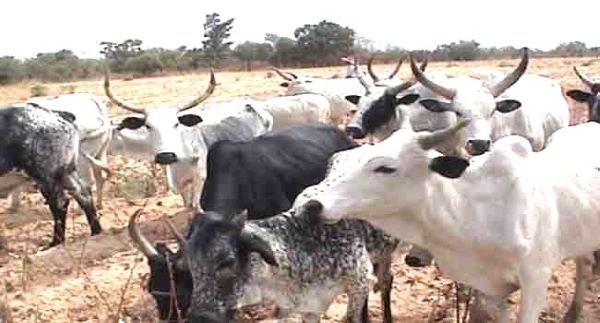
The Special Adviser to President Bola Tinubu on Livestock Reforms, Prof. Attahiru Jega has called for urgent and strategic reforms in Nigeria’s livestock sector to avert a looming protein crisis.
Jega made the call on Monday while delivering the Annual Distinguished Personality Lecture organized by the Faculty of Social Sciences, University of Ilorin (UNILORIN).
The lecture was themed “The Political Economy of Livestock Development in Nigeria: Challenges and Prospects.”
He warned that the country’s livestock systems are currently inadequate to meet the rising protein demands of a growing population, projected to reach 400 million by 2050.
According to him, this demographic surge will require a 253% increase in poultry meat, a 117% rise in beef, and a staggering 577% expansion in milk production to meet domestic consumption needs.
“There is a critical need to transition from traditional open grazing to modern, climate-smart livestock systems,” Jega said. “We must overhaul outdated practices, invest in ranching infrastructure, and implement conflict-sensitive policies to resolve persistent farmer-herder clashes.”
He emphasized that Nigeria’s livestock sector must shift “from underperformance and conflict to becoming a driver of peace, productivity, and prosperity.” Without strategic action, he warned, the country risks a national crisis.
Jega also advocated for a “genetic revolution” in animal husbandry, anchored on innovations in animal health.
He proposed an export-oriented strategy to revitalize the sector, calling for the establishment of special livestock export zones in major cities like Kano, Jos, and Lagos. These zones, he said, should include Halal and Kosher certification centers, ECOWAS-compliant quarantine facilities, and duty-free access to critical inputs for producers targeting international markets.
“This approach can reduce Nigeria’s annual dairy import bill of $1.5 billion and position the country to capture at least 15% of West Africa’s meat trade by 2030,” he added.
Senator Saliu Mustapha, representing Kwara Central in the National Assembly, also addressed the event, urging both federal and state governments to commit at least 10% of their annual budgets to agriculture, in line with the Maputo Declaration.
He called on lawmakers to prioritize livestock development and encouraged university students to consider livestock farming as a viable career path due to its economic potential.
The Dean of the Faculty of Social Sciences at UNILORIN, Prof. Adedoyin Omeda said the lecture topic was timely, given the country’s rising economic and security challenges. She described Jega as “a bridge between academia and transformative public service.”
In his remarks, Vice-Chancellor Prof. Wahab Egbewole—represented by Prof. Adisa Fawole, Deputy Vice-Chancellor (Management Services)—commended the organizers and affirmed that the discussion aligns with President Tinubu’s Renewed Hope Agenda.
