

• Home
  • Agric
  • Sci & Tech
  • Health
  • Environment
  • Hausa News
  • More
    • Business/Banking & Finance
    • Politics/Elections
    • Entertainments & Sports
    • International
    • Investigation
    • Law & Human Rights
    • Africa
    • ACCOUNTABILITY/CORRUPTION
    • Hassan Gimba
    • Column
    • Prof. Jibrin Ibrahim
    • Prof. M.K. Othman
    • Defense/Security
    • Education
    • Energy/Electricity
    • Entertainment/Arts & Sports
    • Society and Lifestyle
    • Food & Agriculture
    • Health & Healthy Living
    • International News
    • Interviews
    • Investigation/Fact-Check
    • Judiciary/Legislature/Law & Human Rights
    • Oil & Gas/Mineral Resources
    • Press Freedom/Media/PR/Journalism
    • General News
    • Presidency
  • About Us
    • Contact Us
    • Board Of Advisory
    • Privacy Policy
    • Ethics Policy
    • Teamwork And Collaboration Policy
    • Fact-Checking Policy
    • Advertising
  • Media OutReach Newswire
    • Wire News
  • The Stories
Facebook Twitter Instagram
Trending
  • Navy seizes stolen oil worth ₦600m
  • UNIZIK appoints Attah, others as directors
  • NOUN graduates hopeful of jobs
  • Lagos to launch water taxi on Lekki–Epe route
  • New law book seeks to deepen understanding of military justice in Nigeria
  • [FACT-CHECK] Viral ‘average penis size by country’ ranking lacks scientific credibility
  • AI key to fighting financial fraud in Nigeria
  • Anambra women empowered through skills programme
Facebook Twitter Instagram YouTube
AsheNewsAsheNews
  • Home
  • Agric

    Association urges members to boost catfish value

    April 17, 2026

    WFP spends $5M on shock response in Nigeria

    April 17, 2026

    Stakeholders push investment in Nigeria’s agribusiness

    April 16, 2026

    Nigeria faces 1m tonne palm oil deficit

    April 16, 2026

    WFP spends $5m on social protection in Nigeria

    April 16, 2026
  • Sci & Tech

    NITDA, CAC strengthen cybersecurity measures

    April 18, 2026

    New science labs donated to Oshodi school

    April 18, 2026

    Nigerian freelancers face rising financial pressure

    April 17, 2026

    NDPC probes alleged CAC data breach

    April 17, 2026

    Airtel temporarily suspends credit services

    April 17, 2026
  • Health

    [FACT-CHECK] Viral ‘average penis size by country’ ranking lacks scientific credibility

    April 18, 2026

    Korean, UNICEF seek to close zero-dose immunisation gap in Niger

    April 18, 2026

    Abia gov mourns US-based doctor’s death

    April 18, 2026

    Family planning lowers maternal mortality by 30%

    April 17, 2026

    PCN seals 598 drug outlets in Kaduna

    April 17, 2026
  • Environment

    Aviation drives growth in Nigeria – Kambari

    April 18, 2026

    NSIB introduces new conditions of service

    April 17, 2026

    LAWMA cracks down on environmental violations in Alimosho

    April 17, 2026

    FG hands over 132 housing units to Kwara

    April 17, 2026

    SON hosts workshop on motor energy standards

    April 16, 2026
  • Hausa News

    Otti plans 250-room 5-star hotel in Umuahia

    April 11, 2026

    Anti-quackery task force seals 4 fake hospitals in Rivers

    August 29, 2025

    [BIDIYO] Yadda na lashe gasa ta duniya a fannin Ingilishi – Rukayya ‘yar shekara 17

    August 6, 2025

    A Saka Baki, A Sasanta Saɓani Tsakanin ‘Yanjarida Da Liman, Daga Muhammad Sajo

    May 21, 2025

    Dan majalisa ya raba kayan miliyoyi a Funtuwa da Dandume

    March 18, 2025
  • More
    1. Business/Banking & Finance
    2. Politics/Elections
    3. Entertainments & Sports
    4. International
    5. Investigation
    6. Law & Human Rights
    7. Africa
    8. ACCOUNTABILITY/CORRUPTION
    9. Hassan Gimba
    10. Column
    11. Prof. Jibrin Ibrahim
    12. Prof. M.K. Othman
    13. Defense/Security
    14. Education
    15. Energy/Electricity
    16. Entertainment/Arts & Sports
    17. Society and Lifestyle
    18. Food & Agriculture
    19. Health & Healthy Living
    20. International News
    21. Interviews
    22. Investigation/Fact-Check
    23. Judiciary/Legislature/Law & Human Rights
    24. Oil & Gas/Mineral Resources
    25. Press Freedom/Media/PR/Journalism
    26. General News
    27. Presidency
    Featured
    Recent

    Navy seizes stolen oil worth ₦600m

    April 18, 2026

    UNIZIK appoints Attah, others as directors

    April 18, 2026

    NOUN graduates hopeful of jobs

    April 18, 2026
  • About Us
    1. Contact Us
    2. Board Of Advisory
    3. Privacy Policy
    4. Ethics Policy
    5. Teamwork And Collaboration Policy
    6. Fact-Checking Policy
    7. Advertising
    Featured
    Recent

    Navy seizes stolen oil worth ₦600m

    April 18, 2026

    UNIZIK appoints Attah, others as directors

    April 18, 2026

    NOUN graduates hopeful of jobs

    April 18, 2026
  • Media OutReach Newswire
    • Wire News
  • The Stories
AsheNewsAsheNews
Home»Health & Healthy Living»Deaths in London: Need to halt medical tourism – Prof. MK Othman
Health & Healthy Living

Deaths in London: Need to halt medical tourism – Prof. MK Othman

EditorBy EditorJuly 29, 2025Updated:July 29, 2025No Comments5 Mins Read
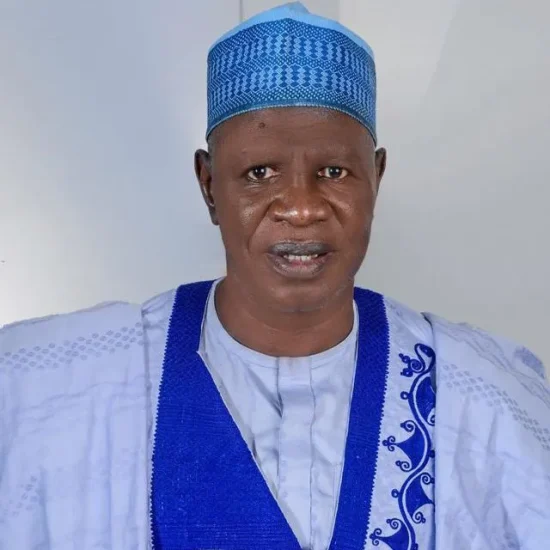
Nigeria - Prof. MK Othman
Prof. MK Othman
Share
Facebook Twitter LinkedIn Pinterest Email

In 2006, I was conducting research on animal traction in Maiduguri under the scorching sun of Ramadan. At the end of the day’s work, I dropped off one of my enumerators at his house, which he amusingly described as being near “London.” I was puzzled but too exhausted to probe further.

The next morning, I asked him about his comment. He explained that “London” referred to the graveyard—a satirical jab at the Nigerian elite who often travel abroad, especially to London, for medical treatment but end up returning as corpses. This streetwise cynicism speaks volumes about the irony and futility of medical tourism when death remains inevitable. It also reflects the deeper issues plaguing Nigeria’s healthcare system.

Over the last 15 years, hospitals in London and surrounding areas have witnessed the deaths of at least ten prominent Nigerians, validating that cynical Maiduguri joke and raising serious questions about the quality of healthcare in Nigeria. The most recent example is the passing of former President Muhammadu Buhari, who died in a London hospital on July 13, 2025. Buhari had previously overcome critical health issues early in his presidency and had served Nigeria both as a military ruler and a democratically elected president. Another notable death was that of Dr. Abba Sayyadi Ruma, a former Minister of Agriculture, who passed away unexpectedly after reassuring a phone call with me from London just days earlier.

Other high-profile Nigerians who died abroad include Kano’s Sheikh Isyaku Rabiu, a philanthropist and businessman; the revered Emir of Kano, Alhaji Ado Bayero; Oba Okunade Sijuwade of Ife; and former Vice President Alex Ekwueme. The list continues with diplomat Oluyemi Adeniji, entrepreneur and senator Ifeanyi Ubah, former CBN Governor Clement Isong, and Biafran leader Chukwuemeka Odumegwu Ojukwu, all of whom died in hospitals across the UK. While these are just the documented cases, countless others—both famous and ordinary—have died in hospitals abroad or en route in search of better healthcare.

This recurring trend represents a massive outflow of human and financial resources. Medical tourism costs Nigeria billions of dollars annually, worsened by an ongoing brain drain in the health sector. It is an unsustainable pattern that desperately needs to be reversed. The question is: how do we stop it? One suggested solution comes from Dr. Hassan Gimba, who recently proposed the establishment of six world-class hospitals, one in each geopolitical zone, plus one in Abuja. His argument is that Nigeria possesses both the financial and human resources—many of whom are abroad—to build and run such facilities.

Indeed, Nigeria can afford to build top-tier hospitals. Estimates from Quora (based on RSMeans data) suggest that a 300 to 600-bed hospital can cost between $87 million and $202 million. During Buhari’s eight-year administration, Nigerians reportedly spent $29.29 billion on foreign medical treatments—an annual average of $3.6 billion. With that kind of money, Nigeria could have built 17 first-rate hospitals at $202 million each and still had $166 million left over. Affordability is not the problem; rather, feasibility and sustainability within the current public sector framework are the real concerns.

Corruption and inefficiency in Nigeria’s public service make such projects nearly impossible to implement successfully. Budgets are routinely inflated and mismanaged, procurement processes are riddled with nepotism, and hospital infrastructure is often compromised by substandard materials and poor maintenance. The painful saga of Ahmadu Bello University Teaching Hospital—which took over 25 years to complete—illustrates how long such projects can drag on, often due to political and administrative bottlenecks.

Moreover, issues of tribalism, nepotism, and religious favoritism stifle meritocracy in health sector appointments. Competent individuals are frequently sidelined in favor of those with powerful connections. Even if these hospitals are built, will they attract and retain skilled personnel? Will they be adequately powered in a country plagued by electricity shortages? Will they be protected from vandalism and theft? And what about vested interests from private hospital owners and corrupt officials who may sabotage such initiatives for personal gain, much like the alleged resistance to the Dangote Refinery?

Despite these challenges, there is a glimmer of hope. Nigeria can leverage private sector participation to build and operate world-class hospitals. This can be achieved through incentives such as tax breaks, infrastructure support, public awareness campaigns, and partnership models that attract both local and international investors. The example of Aliko Dangote, who built a $20 billion refinery to address Nigeria’s fuel issues, is a powerful case study in patriotism-driven investment. A similar approach could revolutionize Nigeria’s healthcare system and significantly reduce dependence on medical tourism.

To save our health sector and conserve scarce foreign exchange, Nigeria must urgently curtail medical tourism. This requires commitment from both government and private sectors, strategic investment in healthcare infrastructure, and a shift in public mindset. It’s time to turn “London” from a metaphor for the graveyard into a symbol of what can be achieved right here at home. All hands must be on deck.

London Medical tourism Muhammadu Buhari
Share. Facebook Twitter Pinterest LinkedIn WhatsApp Reddit Tumblr Email
Editor
  • Website

Related Posts

[FACT-CHECK] Viral ‘average penis size by country’ ranking lacks scientific credibility

April 18, 2026

Korean, UNICEF seek to close zero-dose immunisation gap in Niger

April 18, 2026

Abia gov mourns US-based doctor’s death

April 18, 2026

Leave A Reply Cancel Reply

Navy seizes stolen oil worth ₦600m

April 18, 2026

UNIZIK appoints Attah, others as directors

April 18, 2026

NOUN graduates hopeful of jobs

April 18, 2026

Lagos to launch water taxi on Lekki–Epe route

April 18, 2026
About Us
About Us

ASHENEWS (AsheNewsDaily.com), published by PenPlus Online Media Publishers, is an independent online newspaper. We report development news, especially on Agriculture, Science, Health and Environment as they affect the under-reported rural and urban poor.

We also conduct investigations, especially in the areas of ASHE, as well as other general interests, including corruption, human rights, illicit financial flows, and politics.

Contact Info:
  • 1st floor, Dogon Daji House, No. 5, Maiduguri Road, Sokoto
  • +234(0)7031140009
  • ashenewsdaily@gmail.com
Facebook Twitter Instagram Pinterest
© 2026 All Rights Reserved. ASHENEWS Daily Designed & Managed By DeedsTech

Type above and press Enter to search. Press Esc to cancel.