


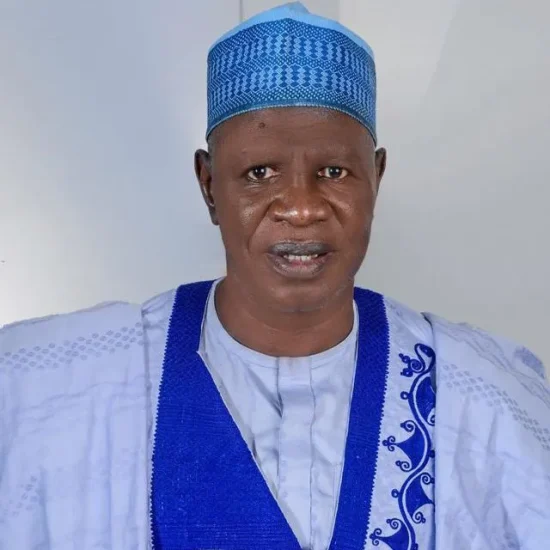
Three key figures who profoundly shaped my life passed away on April 15th, 17th, and 29th, 2026. While I mourned them, I also learned of the death of a former student and colleague. It was truly a season of loss. Death is inevitable; our holy book says every soul must taste it. We each die at our appointed time, regardless of the cause. Death never misses its schedule. As mortals, why obsess over worldly things, knowing we arrive in this world and leave it with nothing? Big houses, luxury cars, beautiful wives, and displays of wealth are nothing but mere vanity. Yet we chase earthly desires as if life had no end.
Still, when death comes, we are always saddened by the loss of loved ones, whether expected or not. My aunt, Inna Ladi, was a giant, picturesque, fair-complexioned lady with Katsinawa tribal markings on her face. She was my mother’s older sister, always smiling, kind-hearted, and overly generous. As a primary school child, I eagerly awaited her visits to Bindawa from Malumfashi. She always brought a ball as a souvenir. To us, the ball was a magical toy. It turned any ordinary child into a hero among the neighborhood peers. The owner of the ball decided who played and chose the team members. The ball owner was the king of the street, a position held until the ball was punctured, stolen, or seized. Thanks to Inna Ladi, I often held this title in my childhood.
As I grew up, my bond with her became strong. She named my first child without consulting me, and I was always happy each time she visited my family. Six years ago, her health started to fail. We regularly took her for checkups at the Teaching Hospital in Zaria. Her condition worsened, and eventually, she became vegetative. She could not hear, recognize, or understand anything. Yet, she felt no pain and maintained a healthy appetite. She lived her last two years under these sad conditions. None of us could visit her without shedding tears, seeing an energetic woman so confined and unproductive. What an irony of life. May her last six years of suffering be a source of Allah’s forgiveness, amen.
Dr. Almu Abubakar Bindawa was my older cousin, but the bond we shared ran deeper than blood. We were united by passion and intellect; when I earned top positions in every class from Form One to Five in my secondary school, his pride in me was palpable. That pride brought us together—I looked forward to those holidays, happily staying in his room, knowing I was cherished. When my peers moved into white-collar jobs after graduating from secondary school, and I chose to continue my studies at the School of Basic Studies at Ahmadu Bello University, Almu’s support never wavered. In 1983, during a moment of despair, I was unable to gather 20 Naira for my IJMB registration despite two weeks of tireless searching. Almu walked in, saw the hopelessness and desperation in my eyes, and quietly handed me the amount I needed. His kindness lifted a weight from my soul. Years later, in 2011, as we worked to found the Bindawa Socio-economic Foundation, Almu stood by me, faithfully contributing twenty thousand Naira each month until we were able to register it. When it was time for me to wed another wife, he did not hesitate to serve as my wakili, honoring our traditions and my happiness. May Allah forgive Dr. Almu his shortcomings and reward him with Aljanna Firdausi for his boundless compassion and dedication to the thousands he taught. Amen.
Alhaji Sanusi Abdulkarim Bindawa was more than my first cousin; he was my companion through childhood’s sunlit days and adulthood’s storms. Dependable and steady, his concern was constant—his voice the first to greet us on each visit home. As illness took hold, Sanusi spoke more often of death. I tried to reassure him: not all who suffer are destined to die soon; some are given reprieve, while others, healthy and unknowing, have their time cut short. Ultimately, destiny drew its line, and Sanusi’s time arrived. His absence is a deep ache—a reminder of how closely we are all tied and how deeply I mourn the loss of those I love. I announced his death to my family with emotion, pouring out tears, prompting my first wife, Binta, to remark, “For a long time, Baban Abbati, I have not heard you weeping.” As a trainee in emotional intelligence, it is better to let the tears fall when needed; otherwise, it could lead to a bigger problem.
And barely had the shock receded when the news of Engr Sani Alhassan’s passing reached us. He was once my student, later my colleague—a proud member of the Department of Agric and Bioresources Engineering at Ahmadu Bello University, Zaria. His sudden death struck like a storm; friends, family, and colleagues had rallied desperately, raising funds for the medical bill in Egypt. We believed we had helped him reach the threshold of survival; the operation was due, but the cruel bureaucracy of an expired medical visa stole that hope, forcing him to wait until it was too late. Sani’s loss was unbearable—a lesson in how fragile good intentions can be in the face of fate. Humble, sincere, and hardworking, Sani rose from a technologist to a graduate and postgraduate, earning respect across the university. His welcoming face, giving spirit, and quick smile left deep marks on all who knew him. The grief at his passing is sharpest among students and staff in ABU Zaria and the Samaru community, where his wisdom and generosity had been a guiding light.
As we mourn these personalities, many are joining the queue; death gradually but surely reaches out to every one of us, prepared or unprepared, because it is the terminal end for all and sundry. Then, why are we worried about the worldly properties that must be left here after our death? Why do we keep fighting to acquire power and influence, which are transient and sometimes a distraction from the purpose of creation? What is the purpose of creation? It is to serve God and humanity; if diligently done, it leaves a legacy that outlasts the doer. May the Almighty Allah forgive all the departed souls for their shortcomings and grant our last days on this world with dignity and emaan, amen.
