

• Home
  • Agric
  • Sci & Tech
  • Health
  • Environment
  • Hausa News
  • More
    • Business/Banking & Finance
    • Politics/Elections
    • Entertainments & Sports
    • International
    • Investigation
    • Law & Human Rights
    • Africa
    • ACCOUNTABILITY/CORRUPTION
    • Hassan Gimba
    • Column
    • Prof. Jibrin Ibrahim
    • Prof. M.K. Othman
    • Defense/Security
    • Education
    • Energy/Electricity
    • Entertainment/Arts & Sports
    • Society and Lifestyle
    • Food & Agriculture
    • Health & Healthy Living
    • International News
    • Interviews
    • Investigation/Fact-Check
    • Judiciary/Legislature/Law & Human Rights
    • Oil & Gas/Mineral Resources
    • Press Freedom/Media/PR/Journalism
    • General News
    • Presidency
  • About Us
    • Contact Us
    • Board Of Advisory
    • Privacy Policy
    • Ethics Policy
    • Teamwork And Collaboration Policy
    • Fact-Checking Policy
    • Advertising
  • Media OutReach Newswire
    • Wire News
  • The Stories
Facebook Twitter Instagram
Trending
  • MTN suspends xtratime over new FCCPC rules
  • UN backs Nigeria lead solutions, highlights digital tools
  • NDA promotes officers, urges greater commitment
  • NOA urges women to nurture children, defend rights
  • ActionAid urges review of revenue deductions
  • Abiodun inaugurates 5.5km Abeokuta road
  • Stakeholders push investment in Nigeria’s agribusiness
  • UNILAG medicine faculty targets clinical innovation
Facebook Twitter Instagram YouTube
AsheNewsAsheNews
  • Home
  • Agric

    Stakeholders push investment in Nigeria’s agribusiness

    April 16, 2026

    Nigeria faces 1m tonne palm oil deficit

    April 16, 2026

    WFP spends $5m on social protection in Nigeria

    April 16, 2026

    Dangote Sugar shareholders approve N500bn rights issue for expansion

    April 16, 2026

    Kenya pushes smart farming as Fahari Aviation, CropLife Kenya sign drone pact

    April 15, 2026
  • Sci & Tech

    MTN suspends xtratime over new FCCPC rules

    April 17, 2026

    NiRA launches DNS security for .ng domain

    April 16, 2026

    FG probes ‘sharp-sharp’ loan apps for data privacy breaches

    April 14, 2026

    SCB-Africa intensifies efforts to bridge science-policy gap in biodiversity conservation

    April 14, 2026

    Biotechnology key to Nigeria’s industrial revolution — Expert

    April 14, 2026
  • Health

    UNILAG medicine faculty targets clinical innovation

    April 16, 2026

    Parasite free world unrealistic – FUTA professor

    April 16, 2026

    Niger first lady launches immunization campaign

    April 16, 2026

    Nigeria records rising lassa fever deaths

    April 15, 2026

    Enugu launches free malaria testing

    April 15, 2026
  • Environment

    SON hosts workshop on motor energy standards

    April 16, 2026

    Nigeria pushes for better water, sanitation

    April 15, 2026

    LAWMA launches green waste training

    April 15, 2026

    Flood: Nigeria’s 33 states at high risk in 2026 [FULL LIST]

    April 15, 2026

    UNA reports bird strike

    April 15, 2026
  • Hausa News

    Otti plans 250-room 5-star hotel in Umuahia

    April 11, 2026

    Anti-quackery task force seals 4 fake hospitals in Rivers

    August 29, 2025

    [BIDIYO] Yadda na lashe gasa ta duniya a fannin Ingilishi – Rukayya ‘yar shekara 17

    August 6, 2025

    A Saka Baki, A Sasanta Saɓani Tsakanin ‘Yanjarida Da Liman, Daga Muhammad Sajo

    May 21, 2025

    Dan majalisa ya raba kayan miliyoyi a Funtuwa da Dandume

    March 18, 2025
  • More
    1. Business/Banking & Finance
    2. Politics/Elections
    3. Entertainments & Sports
    4. International
    5. Investigation
    6. Law & Human Rights
    7. Africa
    8. ACCOUNTABILITY/CORRUPTION
    9. Hassan Gimba
    10. Column
    11. Prof. Jibrin Ibrahim
    12. Prof. M.K. Othman
    13. Defense/Security
    14. Education
    15. Energy/Electricity
    16. Entertainment/Arts & Sports
    17. Society and Lifestyle
    18. Food & Agriculture
    19. Health & Healthy Living
    20. International News
    21. Interviews
    22. Investigation/Fact-Check
    23. Judiciary/Legislature/Law & Human Rights
    24. Oil & Gas/Mineral Resources
    25. Press Freedom/Media/PR/Journalism
    26. General News
    27. Presidency
    Featured
    Recent

    MTN suspends xtratime over new FCCPC rules

    April 17, 2026

    UN backs Nigeria lead solutions, highlights digital tools

    April 17, 2026

    NDA promotes officers, urges greater commitment

    April 17, 2026
  • About Us
    1. Contact Us
    2. Board Of Advisory
    3. Privacy Policy
    4. Ethics Policy
    5. Teamwork And Collaboration Policy
    6. Fact-Checking Policy
    7. Advertising
    Featured
    Recent

    MTN suspends xtratime over new FCCPC rules

    April 17, 2026

    UN backs Nigeria lead solutions, highlights digital tools

    April 17, 2026

    NDA promotes officers, urges greater commitment

    April 17, 2026
  • Media OutReach Newswire
    • Wire News
  • The Stories
AsheNewsAsheNews
Home»Africa»Why is Africa so poor? By Troy Lukas
Africa

Why is Africa so poor? By Troy Lukas

Abdallah el-KurebeBy Abdallah el-KurebeNovember 12, 2024Updated:November 12, 2024No Comments5 Mins Read
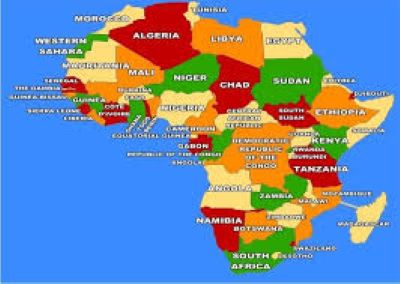
Map of Africa
Map of Africa
Share
Facebook Twitter LinkedIn Pinterest Email

A lot of people are saying “corruption”. Sorry, that’s not an explanation that’s an observation. There is a reason why there is a lot of corruption in Africa and it has everything to do with Western foreign aid and economic interventionism in the various states of Africa.

Before mentioning the two causes let’s dispel the myth that it was due to colonialism. There have been about 40 years since the vast majority of Africa was decolonized. To compare, 40 years after the liberation of the United States as colonies, they were a serious world economic power and growing at a REAL GDP rate of 5%-6% per year.

The majority of African countries have done no such thing 40 years after the end of their colonization so clearly there is a different reason for the poverty other than colonization.

One clear difference between the former independence movements of the Americas and Africa is that Africa receives a mountain of foreign “aid” every year.

FOREIGN AID: So what is it?

It is a transfer of wealth between two GOVERNMENTS, debased entirely from economic growth and good government. Obviously this provides a slew of perverse incentives. Think of it, if I give you a business but regardless of your performance you will always make 5 billion dollars, what incentive do you have to make your business ethical, efficient, and transparent? You don’t! In fact, you will probably plunder the business for even more money because success is detached from good management!

You see, a well-managed state knows that in order to be successful parasites they must suck a minimal amount of blood out of the economy(in the form of taxes) so as not to seriously stifle economic growth. In this way the economy will expand and with it, more potential blood to suck. If, however, the parasite has an unlimited food source without having to depend on the victim’s health it will suck so much blood out of the victim that the victim dies.

Foreign aid is an unlimited food source for most African states and politicians. They don’t care about their countries’ economic health because they get billions a year anyway from their western friends. All these billions are more than enough to provide them with immense personal riches and a nicely sized army of thugs to suppress local revolts.

So is it any surprise that most governments in Africa plunder their own economies through heavy taxes, regulation, and inflationary monetary policy? In a world without financial aid, they would have to be very careful to keep taxes low and let people and businesses flourish because, of course, if they ruin the economy they also ruin the extortion(tax) inflows and, therefore, their personal wealth and military power.

But in our perverse diplomatic world of foreign aid, governments are actually incentivized to keep their countries poor! In this way, they can justify the continued foreign aid!

Understanding this, it is rather unsurprising to see that the most corrupt countries in the world JUST SO HAPPEN to receive large amounts of foreign aid.

Notice the orange and dark red all over Africa and now compare the following list

Interesting to say the least.

It is the foreign aid that allows states to do the following

STATE INTERVENTION IN THE ECONOMY:

First of all, what is the state? It is a territorial monopoly on violence, law, and order. As in all monopolies, what happens?

The quality (transparency and equity) of law and order will constantly go down, and the price (taxes and regulations) will constantly go up. This is precisely because there is no competition in the market for law and order. If and when voluntary government springs up, a state calls it an insurrection and starts killing people in order to enforce their monopoly.

In Africa’s case, as we have seen, they have even more control because their reward is detached from their performance.

This is why they intervene in every way possible in the economy.

Due to all of the taxing, regulation, inflation, and legal red tape that African states impose, it is little wonder they remain poor.

In order for Africa to escape poverty they will either have to stop receiving foreign aid(VERY UNLIKELY) or the West will have to cut it off so that African states will stop intervening in the economy, stifling growth.

The good news is that economic growth can happen quickly once African nations embrace free markets and this has happened in other examples.

Hong Kong was a colony as well and was impoverished like the rest of the world decades ago. But something wonderful happened. They had their foreign aid cut! As a result, they realized they had to lower taxes and regulations and let the power of the free markets generate real wealth and lift people out of poverty.

Africa will one day become great when they can throw off the rule of their oppressive states and embrace free markets.

Lukas is an Economic Writer at Emergingthreads.com

Africa African Union ECOWAS Poor Africa
Share. Facebook Twitter Pinterest LinkedIn WhatsApp Reddit Tumblr Email
Abdallah el-Kurebe
  • Website
  • Facebook
  • Twitter
  • LinkedIn

Related Posts

[VIEWPOINT] Why Ondo North deserves better candidate, By Ayedogbon Ayodele

April 7, 2026

The essential Gbenga Daniel: A titan of two worlds, By Adegbenro Adebanjo

April 6, 2026

AU opens education innovation funding applications, offers up to $50,000 grants

April 4, 2026

Leave A Reply Cancel Reply

MTN suspends xtratime over new FCCPC rules

April 17, 2026

UN backs Nigeria lead solutions, highlights digital tools

April 17, 2026

NDA promotes officers, urges greater commitment

April 17, 2026

NOA urges women to nurture children, defend rights

April 16, 2026
About Us
About Us

ASHENEWS (AsheNewsDaily.com), published by PenPlus Online Media Publishers, is an independent online newspaper. We report development news, especially on Agriculture, Science, Health and Environment as they affect the under-reported rural and urban poor.

We also conduct investigations, especially in the areas of ASHE, as well as other general interests, including corruption, human rights, illicit financial flows, and politics.

Contact Info:
  • 1st floor, Dogon Daji House, No. 5, Maiduguri Road, Sokoto
  • +234(0)7031140009
  • ashenewsdaily@gmail.com
Facebook Twitter Instagram Pinterest
© 2026 All Rights Reserved. ASHENEWS Daily Designed & Managed By DeedsTech

Type above and press Enter to search. Press Esc to cancel.