


The World Health Organization (WHO) has released its first-ever global guideline for the management of sickle cell disease (SCD) during pregnancy, aiming to reduce life-threatening complications for both mothers and babies affected by the condition.
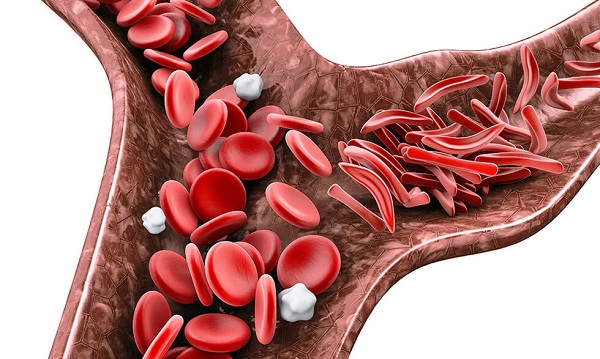
Sickle cell disease, an inherited blood disorder marked by misshapen red blood cells, increases the risk of severe anemia, infections, and organ failure. These dangers become even more pronounced during pregnancy, with affected women facing a 4- to 11-times higher risk of maternal death compared to those without the disease.
“With quality health care, women with inherited blood disorders like sickle cell disease can have safe and healthy pregnancies and births,” said Dr Pascale Allotey, Director for Sexual and Reproductive Health and Research at WHO. “This new guideline aims to improve pregnancy outcomes for those affected.”
More than 7.7 million people live with SCD globally, with sub-Saharan Africa accounting for 80% of cases. Despite its growing prevalence, the disease remains underfunded and under-researched, particularly in pregnancy care.
The new WHO guideline provides over 20 evidence-based recommendations, including protocols for managing pain crises, preventing infections, and administering folic acid, iron, and prophylactic blood transfusions. It also emphasizes the need for respectful, individualized care and calls for reducing stigma in health settings.
Dr Doris Chou, the lead author of the guideline, stressed the importance of early discussions with healthcare providers to ensure optimal care for women with SCD and their babies.
This is the first in a planned series of WHO guidelines addressing chronic conditions in pregnancy, including diabetes, cardiovascular issues, and mental health disorders.
