


The Federal Government has operationalized oncology-preventive clinics in eight tertiary hospitals, significantly strengthening Nigeria’s nationwide capacity for cancer prevention, screening, and early detection.
Minister of State for Health, Dr Iziaq Salako, confirmed this on Wednesday in Abuja during the 2026 World Cancer Day commemoration.
The event, themed “United by Unique,” emphasized collective responsibility among government, institutions, and citizens in addressing Nigeria’s rising cancer burden.
Salako said Nigeria “has made giant strides in cancer care and prevention” through sustained investments in infrastructure, policy reforms, and specialized manpower development.
He noted that the newly activated clinics would greatly expand access to early screening services, helping to reduce late-stage presentations and cancer-related mortality.
“I am delighted to formally declare active eight oncology-preventive clinics,” Salako said. He listed them as:
- Federal Medical Centre, Abuja
- Federal Medical Centre, Ebute-Metta, Lagos
- University of Benin Teaching Hospital, Benin
- University of Nigeria Teaching Hospital, Enugu
- Usmanu Danfodiyo University Teaching Hospital, Sokoto
- Federal Teaching Hospital, Gombe
- Aminu Kano Teaching Hospital, Kano
- Obafemi Awolowo University Teaching Hospital, Ile-Ife
The minister urged Nigerians to embrace routine screening and seek early medical attention when symptoms appear.
“Prevention, as we know, is not only better—it is cheaper. It is everything,” he emphasized.
According to Salako, the National Institute for Cancer Research and Treatment (NICRAT) has supplied mammogram machines to selected centres to support early breast cancer detection.
He also launched the Nigerian Nuclear Medicine Strategic Plan—the first of its kind in Nigeria—to enhance diagnostic and therapeutic cancer services.
Additionally, the minister unveiled the National Cancer Control Plan for 2026–2030, which will guide investments in prevention, diagnosis, treatment, and patient-centred research.
He said the plan aligns with the National Health Act 2014, international frameworks such as the Union for International Cancer Control Declaration 2035, the WHO Global Cancer Strategy, and specific initiatives for childhood and breast cancer.
Salako stressed that integrating cancer screening into routine healthcare services is critical to reducing avoidable deaths, with the new plan prioritizing early detection and aiming to establish a functional national cancer screening programme.
Regarding the suspended Cancer Health Fund, Salako said the government is shifting to a more sustainable financing model through Catastrophic Health Insurance, which would provide stronger coverage for Nigerians facing life-threatening conditions, including cancer.
“We recognize that current budgetary provisions are not enough to meet cancer treatment needs. So we are introducing insurance to cover cancer patients, rather than relying on inadequate health funds,” he said.
He projected that the Catastrophic Health Insurance scheme would become operational before the end of 2026.
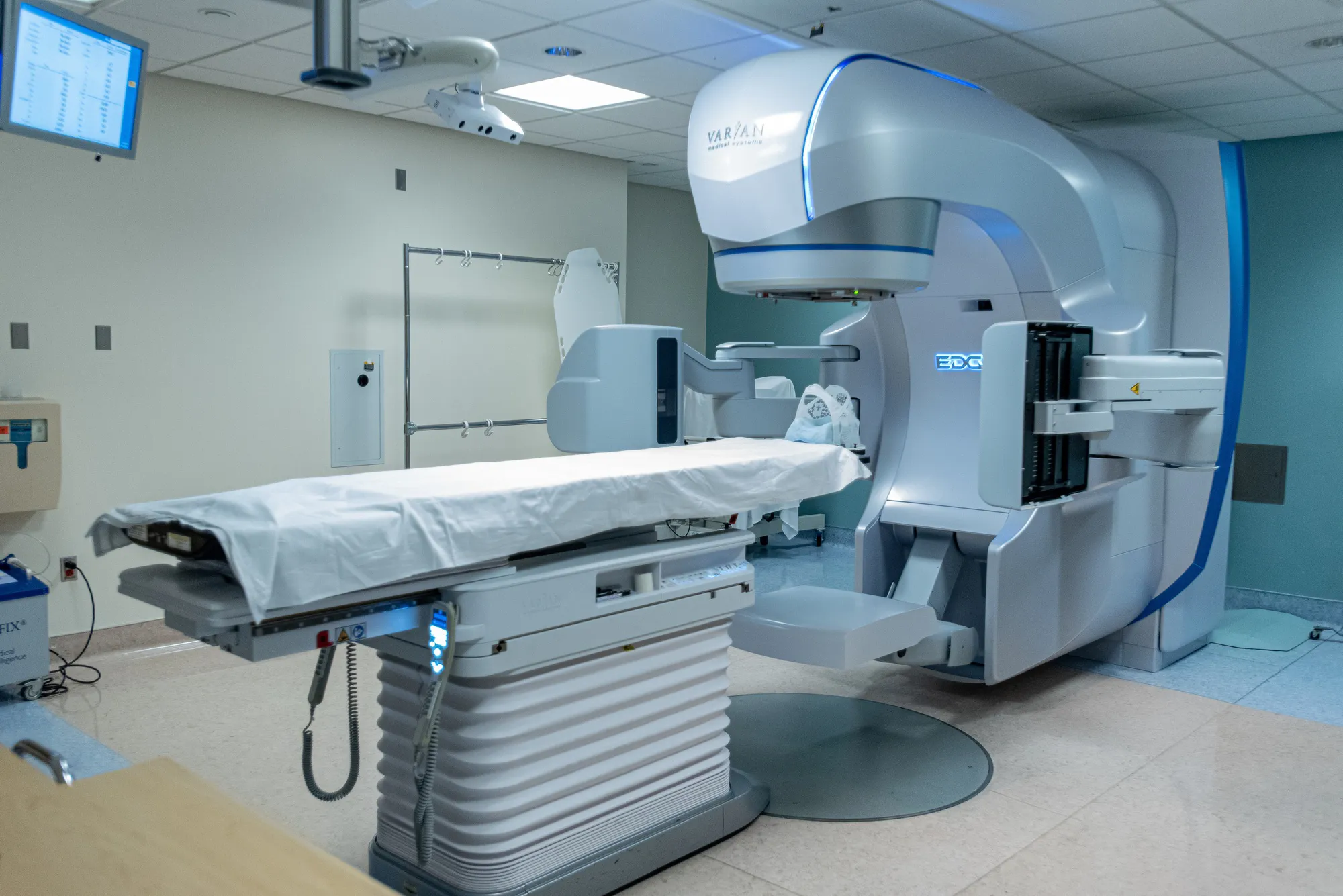
Salako confirmed ongoing investments in cancer equipment and specialized treatment facilities nationwide, revealing that the Federal Executive Council plans to procure 35 radiotherapy machines between 2026 and 2028 to close treatment gaps and reduce the need for patients to seek care abroad.
He also announced that the African Oncology Collaborative Network would be unveiled before the third quarter of 2026 to foster continent-wide collaboration on cancer research and care, led by African institutions.
The minister commended federal agencies for progress in vaccination-based prevention, citing HPV vaccination for cervical cancer and hepatitis immunization to lower liver cancer incidence.
Director-General of NICRAT, Prof Usman Aliyu, described cancer as a major public health challenge in Nigeria, with many facing barriers to prevention, early detection, treatment, and palliative care.
He said NICRAT is strengthening research capacity through the Strengthening Institutional Capacity for Cancer Research Project to generate robust local evidence for national policies.
Aliyu highlighted the priority of improving the national cancer registry system, stating, “Reliable data is the backbone of effective cancer control,” and noted ongoing nationwide registry expansion.
He added that NICRAT is revitalizing radiotherapy services across all geopolitical zones to reduce medical tourism and ensure equitable access to modern oncology treatment.
President of the Nigerian Cancer Society, Prof Abidemi Omonisi, commended government efforts in cancer control but appealed for stronger financial support to ease the high costs of chemotherapy and treatment.
Omonisi said many cancer survivors face severe financial and social challenges, urging reinstatement of the National Cancer Health Fund to aid vulnerable patients.
“Many of our cancer survivors cannot afford treatment or essential care,” he said.
Chairman of the Nigerian Medical Association, Prof Bala Audu, reaffirmed doctors’ commitment to cancer prevention and care, including early diagnosis, treatment, rehabilitation, and palliation.
Audu praised improvements in infrastructure and upgraded cancer centres, noting that NICRAT’s work has strengthened both research and treatment capacity.
He expressed optimism that Nigeria’s cancer care future “looks bright” with sustained investment and collaboration.
World Cancer Day is marked annually on February 4 to raise global awareness, promote education, and encourage coordinated action against the growing burden of cancer worldwide.
