


The Nigeria Centre for Disease Control and Prevention (NCDC), has confirmed the death of 200 persons from Lassa fever, representing 17.1 per cent in 28 states and 114 Local government areas (LGAs) in 2023.
The NCDC, on its official website on Sunday, said that aside from the fatality, there were 8,542 suspected cases and 1,170 confirmed cases in the affected areas as of December 3, suggesting that 2023 may witness the higher number of cases.
Lassa fever is an acute Viral Haemorrhagic Fever (VHF) caused by the Lassa virus.
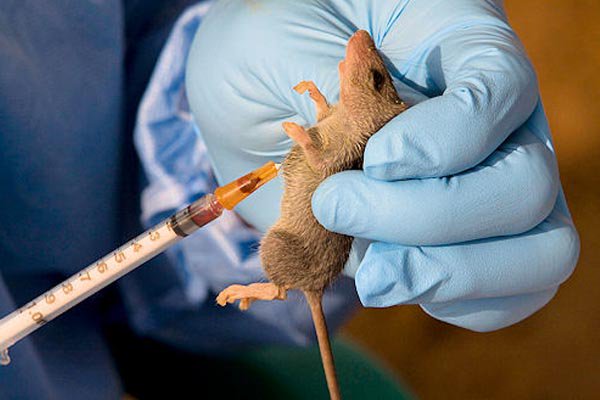
The natural reservoir for the virus is the Mastomys natalensis rodent, commonly known as the multimammate rat or the African rat. Other rodents can also be carriers of the virus.
The virus spreads through direct contact with the urine, faeces, saliva, or blood of infected rats, as well as contact with objects, household items, and surfaces contaminated with the urine, faeces, saliva, or blood of infected rats.
Other sources of contact include the consumption of food or water contaminated with the urine, faeces, saliva, or blood of infected rats.
Person-to-person transmission could also occur through direct contact with blood, urine, faeces, vomitus, and other body fluids of an infected person.
The agency said that every year, the Federal Government through the Federal Ministry of Health and Social Welfare and NCDC’s National Lassa Fever Technical Working Group (TWG), leads efforts to prevent, detect, and respond to cases of Lassa fever across the country.
It noted that NCDC has recorded a steady increase in states reporting Lassa fever due to improved surveillance, better community awareness, environmental degradation from climate change and other deleterious human activities in the environment.
It informed that annual outbreaks of Lassa fever also involved the infection and death of healthcare workers.
It lamented that the loss of life could involve a significant loss of a loved family member, a spouse, a parent, and often a seasoned healthcare worker and team member.
This, it said, exacerbated the challenge of insufficient human resources for health in the country.
“Now that the dry season is here, the NCDC’s Lassa fever TWG has implemented strategic measures to enhance coordination, collaboration, and communication, enhancing preparedness and readiness for potential surges in Lassa fever cases.
“These measures include conducting biweekly national TWG meetings to improve preparedness, readiness and response activities for control and management of Lassa fever using a One Health approach.
It also involves “Issuing joint alert on Cerebrospinal Meningitis (CSM) to TWG to guide state-level preparedness, readiness, and response activities in Lassa fever and CSM during this season that both diseases share.
“Capacity building of some healthcare workers across all the geopolitical zones on Lassa fever preparedness, readiness, and response through the pilot Lassa fever clinical management fellowship, are also some measures.
“Conducting a bi-weekly Lassa fever webinar series on topics covering the different pillars of the TWG such as case management, surveillance, IPC, risk communication and logistics to get all actors in control and management of Lassa fever ready for the predicted surge in confirmed case numbers,” are also part of the measures.
Others were prepositioning and distribution of medical supplies for case management, infection prevention, and control, and laboratory diagnosis in all Lassa fever treatment centres in the country.
Update of the national Incident Action Plan (IAP) to take on board lessons from the last outbreak and findings from the recently concluded surge preparedness workshop, are also essential.
It said “weekly situation reports for Lassa fever in Nigeria could be published to guide decision-making and foster further collaboration across different sectors.”
The NCDC said that Lassa fever was always accompanied by a fever like malaria. Other symptoms include headache, general body weakness, cough, nausea, vomiting, diarrhoea, muscle pains, chest pain, sore throat, and, in severe cases, bleeding from ears, eyes, nose, mouth, and other body openings.
The Nigerian Public Health Institute said that the time between the infection and the appearance of symptoms of the disease was three to 21 days.
“Early diagnosis and treatment of the disease greatly increase the chances of patient’s survival,” it said
The NCDC hinted that persons mostly at risk for Lassa fever were all age groups who come in contact with the urine, faeces, saliva, or blood of infected rats.
“This is in addition to people living in rat-infested environments, those who consume potentially contaminated foodstuff, especially those left open overnight or dried outside in the open, and persons who handle or process rodents for consumption.
“Other groups are people who do not perform hand hygiene at appropriate times, and caretakers of infected persons with poor infection prevention and control measures,” it said.
The agency insisted that healthcare workers, including doctors, nurses, and other health workers who provide direct patient care in the absence of standard precautions are at risk of contacting Lassa fever.
“Hospital staff who clean and disinfect contaminated surfaces, materials, and supplies without adequate protective gear, can also be infected.
“So also is it with laboratory staff who handle blood samples of suspected Lassa fever patients without appropriate precautions.
“Persons who prepare or handle bodies of deceased Lassa fever cases without appropriate precautions are also at risk,” it said.
To reduce the risk of Lassa fever infection, it advised the public to always keep their environment clean, and block all holes in their house to prevent the entry of rats and other rodents.
The NCDC enjoined Nigerians to cover their dustbins and dispose of refuse properly, adding that communities should set up dump sites far from their homes to reduce the chances of the entry of rodents into their homes.
It pleaded with the residents to safely store food items such as rice, garri, beans and maize in tightly sealed or well-covered containers, and avoid drying food stuff outside on the ground or roadside, where there is a risk of contamination.
It continued: “Discourage bush burning as this can destroy food sources of rodents and drive them to migrate from the bushes to human residences to find food.
“Eliminate rats in homes and communities by setting rat traps and other appropriate and safe means.
“Practice good personal and hand hygiene by frequently washing hands with soap under running water or using hand sanitisers when necessary.
“Visit the nearest health facility if you notice any of the signs and symptoms associated with Lassa fever or call the State Ministry of Health hotline and 6232 (NCDC).
“This is essential because early identification and treatment of cases appear to be more effective and can save lives,” it said, adding “Avoid self-medication to ensure proper diagnosis and early treatment.”
The agency begged healthcare workers to always practice standard infection prevention and control practices such as using gloves and other appropriate personal protective equipment while handling patients or providing care for patients.
The NCDC informed that healthcare workers should maintain a high index of suspicion for Lassa fever by being vigilant and considering a diagnosis of Lassa fever when seeing patients presenting with febrile illness.
It advised healthcare providers to report all suspected cases of Lassa fever to their local government Disease Surveillance and Notification Officer (DSNO) to ensure prompt diagnosis, referral, and early commencement of public health actions.
