


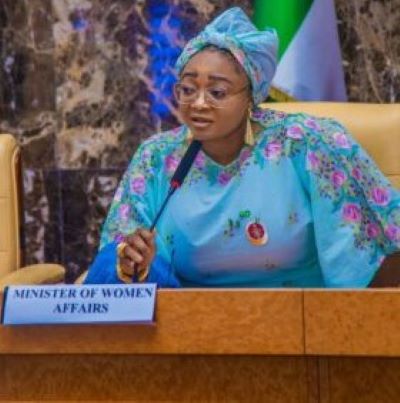
Imaan Sulaiman-Ibrahim, Minister of Women Affairs, has called for increased investment in clinical research that prioritizes women’s healthcare needs in the fight against cancer.
The German and Norwegian embassies echoed this call, urging greater focus on women-centred cancer research.
They made the appeal during a walk tagged “Cancer No Be King”, held in commemoration of the 2026 World Cancer Day awareness campaign. The event was organized by Equitable Medicaid and Clinical Research on Wednesday in Abuja.
Sulaiman-Ibrahim, represented by Mrs Adesuwa Okundaye, Director of Legal Services overseeing the Office of the Permanent Secretary, cited World Health Organization (WHO) statistics indicating that about 72,000 people die annually from cancer in Nigeria.
She noted that the most common cancers include breast, cervical, and prostate cancers, and stressed the urgent need to ensure equitable access to healthcare services for women.
“Let us work hand in hand to advocate for equitable healthcare access and invest in clinical research that prioritizes the needs of women,” she said.
The minister described the fight against cancer as a collective responsibility, urging individuals and organizations to participate through advocacy, education, and direct support for healthcare initiatives.
She emphasized that collaboration and strong institutional support are key to addressing the unique challenges women face in accessing cancer prevention, treatment, and care services.
READ ALSO: World Cancer Day: Confronting the challenges of cancer care and diagnosis in Nigeria
“By emphasizing the importance of collaboration and institutional support, we can create a more equitable healthcare environment that empowers women and addresses the unique challenges they face in the fight against cancer. Together, we can make strides towards a healthier future for all women,” she added.
Annette Günther, the German Ambassador to Nigeria, stressed the need to strengthen health systems and ensure equitable access to quality healthcare services.
“Cancer is preventable through early detection, healthy lifestyles, and hopefully—maybe soon—research will bring a vaccination or similar breakthrough,” Günther said.
“Investment in research is important; investment in health systems is important. There is also a need for a societal approach where everyone has access without stigma or isolation, and where individuals receive support from the community, friends, family, government, and institutions.”
Michelle Cecilia Hovi, Representative of the Norwegian Ambassador, highlighted that addressing healthcare disparities through technology-driven solutions and advancing clinical research is making a difference for underserved and economically disadvantaged populations.
Dr Ruth Faasema, Committee Chairman of the Cancer Awareness Programme at Equitable Medicaid and Clinical Research, explained that the 5.6-kilometre walk aimed to raise awareness about cancer care and treatment.
She stressed the importance of screening, support, and compassion—especially for people living with cancer and their caregivers.
“This walk represents our refusal to be silent. It represents early detection over late diagnosis. It represents prevention over fear. It represents unity through government, NGOs, diplomats, security agencies, health professionals, and communities standing together as one to create awareness on cancer,” she said.
