

• Home
  • Agric
  • Sci & Tech
  • Health
  • Environment
  • Hausa News
  • More
    • Business/Banking & Finance
    • Politics/Elections
    • Entertainments & Sports
    • International
    • Investigation
    • Law & Human Rights
    • Africa
    • ACCOUNTABILITY/CORRUPTION
    • Hassan Gimba
    • Column
    • Prof. Jibrin Ibrahim
    • Prof. M.K. Othman
    • Defense/Security
    • Education
    • Energy/Electricity
    • Entertainment/Arts & Sports
    • Society and Lifestyle
    • Food & Agriculture
    • Health & Healthy Living
    • International News
    • Interviews
    • Investigation/Fact-Check
    • Judiciary/Legislature/Law & Human Rights
    • Oil & Gas/Mineral Resources
    • Press Freedom/Media/PR/Journalism
    • General News
    • Presidency
  • About Us
    • Contact Us
    • Board Of Advisory
    • Privacy Policy
    • Ethics Policy
    • Teamwork And Collaboration Policy
    • Fact-Checking Policy
    • Advertising
  • Media OutReach Newswire
    • Wire News
  • The Stories
Facebook Twitter Instagram
Trending
  • Customs intercepts 25.5kg Cocaine from Brazilian ship in Lagos
  • Group honours Uzodinma for fight against drug abuse
  • World Bank, partners record progress toward 1.5bn healthcare goal
  • Archbridge Foundation donates food items, fabrics to widows in Jos
  • Egyptian youth leader presents outcomes of African youth symposium to Johannesburg mayor
  • Diaspora group urges Tinubu to probe Tunji-Ojo’s credentials
  • Over 10,000 gender-based violence cases recorded in 2025 – Minister
  • Coalition hails Reps passage of Child Online Protection Bill
Facebook Twitter Instagram YouTube
AsheNewsAsheNews
  • Home
  • Agric

    Shettima rates Jigawa’s farm revolution as globally competitive

    December 6, 2025

    NACCIMA, GIZ partner to boost cross-border agricultural trade

    December 5, 2025

    AFASA conference drives agricultural partnerships and transformation

    December 5, 2025

    The collapse beneath our feet: why farmers must act now to save soils

    December 5, 2025

    Dangote announces plan to become world’s largest fertiliser producer by 2028

    December 5, 2025
  • Sci & Tech

    MWAN leader urges medical students to use technology responsibly

    December 6, 2025

    PEBEC names NCC among top 5 best-performing agencies

    December 6, 2025

    China, Nigeria partner to train youths on AI skills

    December 5, 2025

    Heart disease treatment: Swedish scientists develop nanobots to clean arteries in minutes

    December 5, 2025

    Biotechnology offers jobs, food security, green growth — expert

    December 4, 2025
  • Health

    Group honours Uzodinma for fight against drug abuse

    December 6, 2025

    World Bank, partners record progress toward 1.5bn healthcare goal

    December 6, 2025

    Mangal sponsors N87m surgeries for vulnerable patients

    December 6, 2025

    ActionAid highlights rising threats of technology-facilitated GBV

    December 6, 2025

    Technology-facilitated GBV highlighted as major concern in Nigeria

    December 6, 2025
  • Environment

    AEPB tells contractors to step up sanitation in FCT

    December 4, 2025

    SDN, NCCC collaborate to enhance climate action in Nigeria

    December 4, 2025

    NGO launches project to boost climate resilience in Katsina

    December 4, 2025

    NCF, NPAP join forces to tackle plastic pollution in Nigeria

    December 4, 2025

    Nigeria expands irrigable land to 154,000 hectares — minister

    December 3, 2025
  • Hausa News

    Anti-quackery task force seals 4 fake hospitals in Rivers

    August 29, 2025

    [BIDIYO] Yadda na lashe gasa ta duniya a fannin Ingilishi – Rukayya ‘yar shekara 17

    August 6, 2025

    A Saka Baki, A Sasanta Saɓani Tsakanin ‘Yanjarida Da Liman, Daga Muhammad Sajo

    May 21, 2025

    Dan majalisa ya raba kayan miliyoyi a Funtuwa da Dandume

    March 18, 2025

    [VIDIYO] Fassarar mafalki akan aikin Hajji

    January 6, 2025
  • More
    1. Business/Banking & Finance
    2. Politics/Elections
    3. Entertainments & Sports
    4. International
    5. Investigation
    6. Law & Human Rights
    7. Africa
    8. ACCOUNTABILITY/CORRUPTION
    9. Hassan Gimba
    10. Column
    11. Prof. Jibrin Ibrahim
    12. Prof. M.K. Othman
    13. Defense/Security
    14. Education
    15. Energy/Electricity
    16. Entertainment/Arts & Sports
    17. Society and Lifestyle
    18. Food & Agriculture
    19. Health & Healthy Living
    20. International News
    21. Interviews
    22. Investigation/Fact-Check
    23. Judiciary/Legislature/Law & Human Rights
    24. Oil & Gas/Mineral Resources
    25. Press Freedom/Media/PR/Journalism
    26. General News
    27. Presidency
    Featured
    Recent

    Customs intercepts 25.5kg Cocaine from Brazilian ship in Lagos

    December 6, 2025

    Group honours Uzodinma for fight against drug abuse

    December 6, 2025

    World Bank, partners record progress toward 1.5bn healthcare goal

    December 6, 2025
  • About Us
    1. Contact Us
    2. Board Of Advisory
    3. Privacy Policy
    4. Ethics Policy
    5. Teamwork And Collaboration Policy
    6. Fact-Checking Policy
    7. Advertising
    Featured
    Recent

    Customs intercepts 25.5kg Cocaine from Brazilian ship in Lagos

    December 6, 2025

    Group honours Uzodinma for fight against drug abuse

    December 6, 2025

    World Bank, partners record progress toward 1.5bn healthcare goal

    December 6, 2025
  • Media OutReach Newswire
    • Wire News
  • The Stories
AsheNewsAsheNews
Home»Health & Healthy Living»[EXPLAINER] Causes of cataracts, and how you can avoid them?
Health & Healthy Living

[EXPLAINER] Causes of cataracts, and how you can avoid them?

Abdallah el-KurebeBy Abdallah el-KurebeOctober 20, 2024No Comments6 Mins Read
Cataracts
Share
Facebook Twitter LinkedIn Pinterest Email

Your eye is made up of different parts, and all of them play an important role in your vision. The lens is part of the eye that sits behind the iris, the coloured part of your eye. The lens is a clear structure that focuses the light that enters your eye so that your brain can process images. But what causes cataracts?

Key takeaways:

  • Cataracts are caused by protein breakdown inside the lens of the eye
  • Common causes of cataracts include age, ultraviolet (UV) light exposure, smoking, medications, and medical conditions. 
  • Avoiding cataracts causes can keep your vision healthy. But if you develop cataracts, surgery can remove cataracts and help restore vision. 

As a person gets older, the lens also ages and can develop a cataract. Cataracts are the most common cause of vision loss, but they’re also treatable. Let’s take a look at what causes cataracts to form, how they affect your vision, and what you can do to lower your risk of developing cataracts.

How do cataracts form?

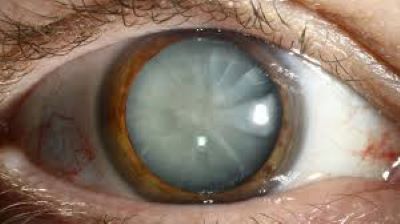
Cataracts form due to the breakdown of proteins in your lens, which can happen in one or both eyes. This causes the normally clear lens, to become cloudy. This is a normal process that happens as you get older. 

Most people develop cataracts after age 40. The older you are, the more likely you are to have cataracts. More than half of people over 80 years old have cataracts.

Cataracts can develop in younger people if they have certain medical conditions. You can also be born with cataracts or develop them in childhood. This can happen because of genetic conditions or from exposure to certain infections like rubella. 

What causes cataracts?

Many people wonder how they get cataracts. The answer is simple — they got older. Aging is the main cause of cataracts. As your lens gets older, proteins break down and form a cataract. 

But there are other causes of cataracts too. While you can’t stop getting older, there are things you can do to limit and avoid other cataract causes. Here are some other main causes of cataracts.

Medical conditions and genetics

Certain medical conditions and treatments can increase your risk of developing cataracts. These include:

  • Diabetes (Types 1 and 2)
  • Human immunodeficiency virus (HIV) and/or Acquired immunodeficiency syndrome (AIDS)
  • Eye conditions that required surgery (including retinal detachment)
  • A history of eye inflammation
  • Eye trauma
  • Radiation treatment on your upper body
  • Having family members with cataracts

Medications

Two major types of medications can increase your risk of cataracts:

  • Oral, topical, or intravenous steroids 
  • Phenothiazines, which treat schizophrenia

Smoking, alcohol, and UV light

People who smoke are more likely to develop cataracts. Studies also show that exposure to sunlight, or ultraviolet (UV) light, can cause cataracts. 

How do cataracts affect vision?

Cataracts usually develop gradually, so you may not have trouble with your vision at first. But over time, vision changes start to become more obvious. Common vision changes from cataracts include:

  • Blurred vision
  • Cloudy vision is like looking through a frosted or dirty window
  • A halo or glare around the light
  • Impaired night vision
  • Faded colours
  • Trouble with depth perception

These vision changes can make it hard for you to do your normal activities like reading, working on a computer, or driving — especially at night. If you already wear glasses or contact lenses, you’ll notice that they might not be helping your vision as much anymore. 

What are the different types of cataracts?

ALSO READ [EXPLAINER] If you have HIV, should you be on medication for life?

There are three types of cataracts:

  1. Nuclear sclerotic cataracts: This type of cataract forms in the central part of the lens and affects distance vision more than near vision. They grow very slowly. 
  2. Cortical cataracts: These types of cataracts start at the edge of the lens and grow toward the center. They also grow slowly.
  3. Posterior subcapsular cataracts: This type of cataracts forms in the back of the lens. They tend to grow faster and cause severe glare in bright sunlight or from vehicle headlights. 

How do you know if you have cataracts?

An eye exam is the best way to figure out if you have cataracts. 

You can’t see cataracts by looking in the mirror. But you may notice vision changes as cataracts start to mature. People often experience vision changes like:

  • Trouble focusing when going from looking at things closely to far away
  • Trouble seeing in low light
  • Glare sensitivity 

You may also notice that colours seem faded and less bright. Other people notice that their prescription lenses no longer work as well as they used to. 

See an optometrist or ophthalmologist if you experience any of these vision changes. They can perform a dilated eye exam which is the best way to know if you have cataracts. 

What should you do if you’re experiencing symptoms of cataracts?

If you’re having trouble with your vision, you should see an eye doctor and have an eye exam. 

Your eye doctor will offer you glasses or contact lenses to help with your vision if you have cataracts. They may also suggest that you use brighter lighting in your home to help you see or recommend an anti-glare coating for your glasses.

If you have cataracts, your eye doctor will ask you to come back once or twice a year for checkups. If your glasses or contact lenses are no longer helping your vision, they might also suggest that you have surgery to remove your cataracts. 

How can you protect your vision as you age?

Even though cataracts are a normal part of ageing, there are still things that you can do to protect your vision. Avoiding causes of cataracts can delay their development as you get older. Here are some things you can do to protect your eyes:

  • Stop smoking: Smoking cigarettes increases your risk of developing cataracts, so it’s best to quit smoking to protect your eye health.
  • Protect your eyes from UV light: Wear sunglasses with UV light protection or a wide-brimmed hat when you’re outside.
  • Eat a diet rich in leafy green vegetables: There’s some evidence that people who eat a diet high in leafy greens have fewer cataracts.

The bottom line

Cataracts are a common cause of decreased vision, and they affect each person differently. You’re more likely to develop cataracts as you get older. Getting new glasses with anti-glare coating and using brighter lighting may help treat your cataract symptoms. Avoid smoking, and protect your eyes from sunlight to keep your vision healthy.

By  Nishika Reddy, MD

Cataracts
Share. Facebook Twitter Pinterest LinkedIn WhatsApp Reddit Tumblr Email
Abdallah el-Kurebe
  • Website
  • Facebook
  • Twitter
  • LinkedIn

Related Posts

Group honours Uzodinma for fight against drug abuse

December 6, 2025

World Bank, partners record progress toward 1.5bn healthcare goal

December 6, 2025

Mangal sponsors N87m surgeries for vulnerable patients

December 6, 2025

Leave A Reply Cancel Reply

Customs intercepts 25.5kg Cocaine from Brazilian ship in Lagos

December 6, 2025

Group honours Uzodinma for fight against drug abuse

December 6, 2025

World Bank, partners record progress toward 1.5bn healthcare goal

December 6, 2025

Archbridge Foundation donates food items, fabrics to widows in Jos

December 6, 2025
About Us
About Us

ASHENEWS (AsheNewsDaily.com), published by PenPlus Online Media Publishers, is an independent online newspaper. We report development news, especially on Agriculture, Science, Health and Environment as they affect the under-reported rural and urban poor.

We also conduct investigations, especially in the areas of ASHE, as well as other general interests, including corruption, human rights, illicit financial flows, and politics.

Contact Info:
  • 1st floor, Dogon Daji House, No. 5, Maiduguri Road, Sokoto
  • +234(0)7031140009
  • ashenewsdaily@gmail.com
Facebook Twitter Instagram Pinterest
© 2025 All Rights Reserved. ASHENEWS Daily Designed & Managed By DeedsTech

Type above and press Enter to search. Press Esc to cancel.