


Cardiac arrest is a serious medical emergency that occurs when the heart suddenly stops beating. It is different from a heart attack, although a heart attack can sometimes lead to cardiac arrest. The causes and treatment for cardiac arrest are as follows:
Causes of Cardiac Arrest:
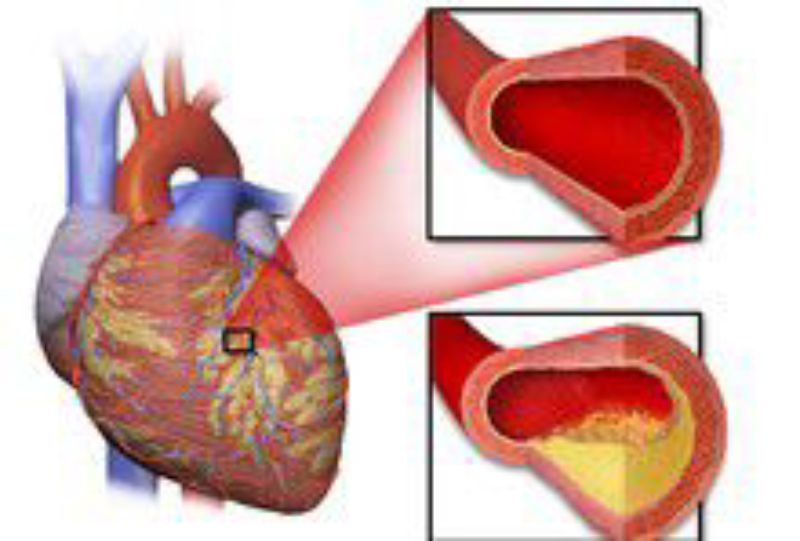
Coronary artery disease: The most common cause of cardiac arrest is underlying coronary artery disease, which leads to the narrowing or blockage of the blood vessels supplying the heart muscle. Coronary artery disease (CAD) is a common cardiovascular condition characterized by the narrowing or blockage of the coronary arteries. These arteries supply oxygenated blood to the heart muscle.
CAD typically develops due to the buildup of plaque within the arterial walls, a condition known as atherosclerosis. Plaque is composed of cholesterol, fat, calcium, and other substances. Over time, it accumulates on the inner walls of the coronary arteries, causing them to become narrower and restrict blood flow to the heart. This reduction in blood flow can lead to various symptoms, such as chest pain or discomfort, known as angina. If the plaque ruptures, it can trigger the formation of a blood clot, which further obstructs the artery and may lead to a complete blockage. This can result in a heart attack, also known as myocardial infarction, where a portion of the heart muscle is deprived of oxygen and nutrients, leading to tissue damage or death.
Several risk factors contribute to the development of coronary artery disease, including Age: The risk increases with age, especially for men over 45 and women over 55.
Gender: Men generally have a higher risk than premenopausal women, although the risk evens out after menopause.
Family history: Having a close family member with CAD increases the likelihood of developing the condition.
Smoking: Cigarette smoking damages the blood vessels and accelerates atherosclerosis.
High blood pressure: Uncontrolled hypertension puts additional strain on the arteries, increasing the risk of CAD.
High cholesterol levels: Elevated levels of LDL cholesterol (“bad” cholesterol) and low levels of HDL cholesterol (“good” cholesterol) contribute to plaque formation. Diabetes: Individuals with diabetes have an increased risk of developing heart disease.
Obesity: Excessive weight and abdominal fat increase the likelihood of developing CAD. Sedentary lifestyle: Lack of physical activity is associated with a higher risk of CAD.
Unhealthy diet: Diets high in saturated and trans fats, cholesterol, sodium, and refined sugars increase the risk of developing CAD. Prevention and management of coronary artery disease often involve lifestyle modifications and medical interventions.
These may include Lifestyle changes: Adopting a heart-healthy diet, engaging in regular physical activity, quitting smoking, and managing stress.
Medications: Doctors may prescribe medications to control blood pressure, lower cholesterol levels, prevent blood clots, or manage other risk factors.
Angioplasty and stenting: This minimally invasive procedure involves the insertion of a catheter with a balloon at the end to open the narrowed artery.
A stent may also be placed to help keep the artery open. Coronary artery bypass grafting (CABG): In severe cases, where multiple blockages exist, a surgical procedure called CABG may be necessary.
It involves creating new routes for blood flow by using blood vessels from other parts of the body to bypass the blocked arteries.
It is crucial to consult with a healthcare professional for a proper diagnosis, personalized treatment plan, and ongoing management of coronary artery disease.
2. Heart attack: A heart attack, also known as a myocardial infarction, can cause cardiac arrest if it severely damages the heart muscle.
A heart attack, also known as a myocardial infarction, is a serious medical condition that occurs when blood flow to a section of the heart muscle is blocked or reduced, leading to damage or death of the heart tissue.
The most common cause of a heart attack is a sudden blockage in one of the coronary arteries, which supply oxygen-rich blood to the heart muscle.
Coronary artery blockages typically occur due to the buildup of fatty deposits called plaques on the inner walls of the arteries.
If a plaque ruptures, a blood clot may form and completely block the artery, preventing the flow of blood to the heart. Without a sufficient blood supply, the heart muscle becomes starved of oxygen and nutrients, leading to cell death.
The symptoms of a heart attack can vary but commonly include chest pain or discomfort, which may radiate to the left arm, neck, jaw, or back.
Other symptoms may include shortness of breath, sweating, nausea, lightheadedness, and anxiety. However, it’s important to note that symptoms can differ among individuals, and some people, particularly women, may experience atypical symptoms or no symptoms at all.
A heart attack is a medical emergency that requires immediate medical attention. Prompt treatment, often involving medications to dissolve blood clots or restore blood flow, is essential to minimize heart damage and increase the chances of survival.
In some cases, procedures like angioplasty or bypass surgery may be necessary to restore blood flow to the heart.
Prevention of heart attacks involves adopting a healthy lifestyle, including regular exercise, a balanced diet, maintaining a healthy weight, avoiding smoking, and managing conditions like high blood pressure, high cholesterol, and diabetes.
Regular check-ups with a healthcare professional can help identify and manage risk factors for heart disease.
3. Arrhythmias: Certain abnormal heart rhythms, such as ventricular fibrillation or ventricular tachycardia, can disrupt the heart’s electrical system and cause cardiac arrest.
4. Cardiomyopathy: This condition refers to the enlargement, thickening, or weakening of the heart muscle, which can lead to irregular heart rhythms and cardiac arrest.
5. Drug overdose: Some drugs, particularly certain medications or illicit substances, can cause a sudden interruption of the heart’s electrical activity and trigger cardiac arrest.
Treatment/Cure for Cardiac Arrest:
1. Cardiopulmonary resuscitation (CPR): Immediate CPR should be initiated to help maintain blood flow to the vital organs until medical help arrives. CPR involves chest compressions to manually circulate blood and provide oxygen to the body.
2. Defibrillation: An automated external defibrillator (AED) or a defibrillator in a hospital setting can deliver an electric shock to the heart, attempting to restore a normal heart rhythm. This procedure is known as defibrillation.
3. Advanced life support: Once medical professionals arrive, they will provide advanced cardiac life support (ACLS), which includes medications, intubation, and other interventions to support the heart and circulation.
4. Identifying and treating the underlying cause: The underlying cause of cardiac arrest needs to be identified and treated to prevent further episodes. This may involve procedures like angioplasty to open blocked arteries or the use of medications to manage arrhythmias or other heart conditions.
5. Implantable cardioverter-defibrillator (ICD): For individuals at high risk of recurrent cardiac arrest, an ICD may be implanted. This device can monitor heart rhythms and deliver an electric shock to restore normal rhythm if a life-threatening arrhythmia occurs.
It’s important to note that cardiac arrest is a life-threatening condition that requires immediate medical attention. Prevention of cardiac arrest involves adopting a heart-healthy lifestyle, managing underlying heart conditions, and seeking appropriate medical care if you have symptoms or risk factors related to heart disease. Regular check-ups with your healthcare provider and adherence to prescribed medications are also essential.
