

• Home
  • Agric
  • Sci & Tech
  • Health
  • Environment
  • Hausa News
  • More
    • Business/Banking & Finance
    • Politics/Elections
    • Entertainments & Sports
    • International
    • Investigation
    • Law & Human Rights
    • Africa
    • ACCOUNTABILITY/CORRUPTION
    • Hassan Gimba
    • Column
    • Prof. Jibrin Ibrahim
    • Prof. M.K. Othman
    • Defense/Security
    • Education
    • Energy/Electricity
    • Entertainment/Arts & Sports
    • Society and Lifestyle
    • Food & Agriculture
    • Health & Healthy Living
    • International News
    • Interviews
    • Investigation/Fact-Check
    • Judiciary/Legislature/Law & Human Rights
    • Oil & Gas/Mineral Resources
    • Press Freedom/Media/PR/Journalism
    • General News
    • Presidency
  • About Us
    • Contact Us
    • Board Of Advisory
    • Privacy Policy
    • Ethics Policy
    • Teamwork And Collaboration Policy
    • Fact-Checking Policy
    • Advertising
  • Media OutReach Newswire
    • Wire News
  • The Stories
Facebook Twitter Instagram
Trending
  • Bolarinwa vows to tackle Kwara’s security challenges
  • Federal College of Horticulture matriculates 1,266 students
  • UI Imam urges Muslims on kindness, charity
  • COREN intensifies enforcement of engineering standards
  • Troops neutralise 4 terrorists in Katsina
  • PDP Sokoto appoints new State women leader, zonal secretary
  • Association postpones youth drug abuse forum in Sokoto
  • Association inaugurates motorised borehole in Edo community to combat water scarcity
Facebook Twitter Instagram YouTube
AsheNewsAsheNews
  • Home
  • Agric

    Abandon hoes, cutlasses for modern farming – Tinubu’s Wife urges Nigerians

    May 2, 2026

    Over 200 farmers, herders benefit from SPAR project in Katsina

    May 2, 2026

    Community leaders discuss resource conflicts in Sokoto North, South

    May 1, 2026

    Fortified rice: Nourishing Nigeria, one meal at a time, By Peter Dama

    May 1, 2026

    Niger hosts talks on Eco green industrial city

    April 30, 2026
  • Sci & Tech

    Samsung revenue jumps 43% in Q1

    May 1, 2026

    AfricaX summit to support commercialisation of innovations

    April 30, 2026

    FUTA don advocates people-centred engineering for sustainable industrial growth

    April 30, 2026

    Oyedele calls for tech upgrades to boost Nigeria’s growth

    April 29, 2026

    Australian scientists turn plastic waste into clean fuel using sunlight

    April 29, 2026
  • Health

    Association postpones youth drug abuse forum in Sokoto

    May 2, 2026

    Association inaugurates motorised borehole in Edo community to combat water scarcity

    May 2, 2026

    Experts call for better hygiene, water, nutrition to reduce child diarrhoea

    May 2, 2026

    WHO member states advance pandemic agreement on pathogen sharing

    May 2, 2026

    Kwara to distribute 2m mosquito nets

    May 1, 2026
  • Environment

    Bolarinwa vows to tackle Kwara’s security challenges

    May 2, 2026

    COREN intensifies enforcement of engineering standards

    May 2, 2026

    Kwamba residents lament worsening water scarcity in Suleja

    May 2, 2026

    Society pushes wider risk management adoption

    May 1, 2026

    Babangida honors late journalist Yakubu Mohammed

    May 1, 2026
  • Hausa News

    Otti plans 250-room 5-star hotel in Umuahia

    April 11, 2026

    Anti-quackery task force seals 4 fake hospitals in Rivers

    August 29, 2025

    [BIDIYO] Yadda na lashe gasa ta duniya a fannin Ingilishi – Rukayya ‘yar shekara 17

    August 6, 2025

    A Saka Baki, A Sasanta Saɓani Tsakanin ‘Yanjarida Da Liman, Daga Muhammad Sajo

    May 21, 2025

    Dan majalisa ya raba kayan miliyoyi a Funtuwa da Dandume

    March 18, 2025
  • More
    1. Business/Banking & Finance
    2. Politics/Elections
    3. Entertainments & Sports
    4. International
    5. Investigation
    6. Law & Human Rights
    7. Africa
    8. ACCOUNTABILITY/CORRUPTION
    9. Hassan Gimba
    10. Column
    11. Prof. Jibrin Ibrahim
    12. Prof. M.K. Othman
    13. Defense/Security
    14. Education
    15. Energy/Electricity
    16. Entertainment/Arts & Sports
    17. Society and Lifestyle
    18. Food & Agriculture
    19. Health & Healthy Living
    20. International News
    21. Interviews
    22. Investigation/Fact-Check
    23. Judiciary/Legislature/Law & Human Rights
    24. Oil & Gas/Mineral Resources
    25. Press Freedom/Media/PR/Journalism
    26. General News
    27. Presidency
    Featured
    Recent

    Bolarinwa vows to tackle Kwara’s security challenges

    May 2, 2026

    Federal College of Horticulture matriculates 1,266 students

    May 2, 2026

    UI Imam urges Muslims on kindness, charity

    May 2, 2026
  • About Us
    1. Contact Us
    2. Board Of Advisory
    3. Privacy Policy
    4. Ethics Policy
    5. Teamwork And Collaboration Policy
    6. Fact-Checking Policy
    7. Advertising
    Featured
    Recent

    Bolarinwa vows to tackle Kwara’s security challenges

    May 2, 2026

    Federal College of Horticulture matriculates 1,266 students

    May 2, 2026

    UI Imam urges Muslims on kindness, charity

    May 2, 2026
  • Media OutReach Newswire
    • Wire News
  • The Stories
AsheNewsAsheNews
Home»Health & Healthy Living»Council of nurses proposes moratorium on recruitment from developing countries
Health & Healthy Living

Council of nurses proposes moratorium on recruitment from developing countries

Council of nurses proposes moratorium on recruitment from developing countries
EditorBy EditorAugust 20, 2024Updated:August 20, 2024No Comments6 Mins Read
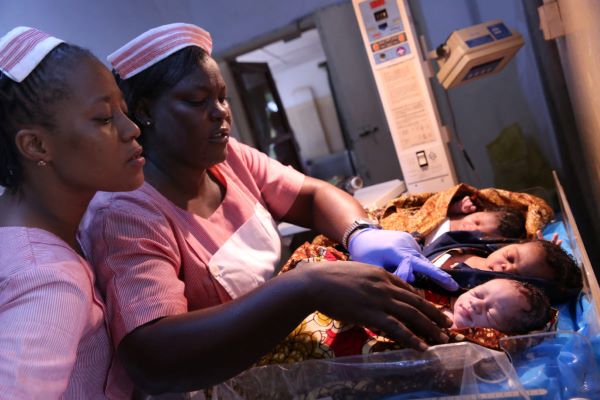
Registered nurses Fatmata Bamorie Turay (left) and Elizabeth Tumoe, at the Princess Christian Maternity Hospital, in Freetown, Sierra Leone.
Share
Facebook Twitter LinkedIn Pinterest Email

The International Council of Nurses (ICN) has called on the World Health Organization (WHO) to consider a “time-limited moratorium of active recruitment of nurses” from countries on the WHO Health Workforce Support and Safeguard List.

This follows a “dramatic surge” in the recruitment of nurses from low- and middle-income countries (LMICs) by wealthy countries, according to the ICN.

The Safeguard List identifies 55 countries that face the most pressing health workforce challenges related to achieving universal health coverage (UHC). Health workers shortages are one of the primary causes of countries’ inability to achieve UHC.

The ICN made this proposal in a recent report to the World Health Organisation (WHO) on the implementation of the WHO Global Code of Practice on the International Recruitment of Health Personnel.

It attributed the “dramatic surge in international nurse migration and recruitment” in large part to “attempts by some high-income countries to address their vast nursing shortages by actively recruiting from LMICs and easing the entry or professional recognition of internationally educated nurses (IENs)”.

The proportion of overseas-trained nurses employed in the Organisation for Economic Co-operation and Development (OECD) – made up of 38 developed countries – jumped from 5% in 2011 to nearly 9% in 2021.

The UK, USA, Canada, Australia, Germany and certain Gulf states are driving this recruitment 

UK takes nurses from ‘red list’ countries

In the UK, for example,  over 24,000 new international nurses were registered from September 2021 to September 2022, the highest in recorded history.

Some 19% of new overseas nurses in the UK between 2021-2023 came from countries facing “severe health workforce deficits”, according to the WHO Health Workforce Support and Safeguard List.

Over six months in 2022,  over 20% of new international nurses (more than 2,200) came from just two “red list” countries: Nigeria and Ghana. 

“Although active recruitment from these countries to the National Health Service (NHS) is prohibited in the UK, nurses can be first hired by for-profit recruitment firms to work in the private sector and later apply directly to the NHS as passive recruits,” according to the ICN.

International recruiters are also directly advertising to recruit scarce health care staff from low- and lower-middle-income countries in Africa, Asia, and the Caribbean, in breach of the code. 

The US reported that over 17,000 nurses applied for visas in 2022, a 44% increase from the previous year.

“Countries that have not been traditionally active in international nurse recruitment are also showing increased demand for overseas-trained nurses, including Finland as well as Scotland, where the government announced an allocation of £4.5 million to support active international recruitment of nurses as part of the overall plan for pandemic recovery and renewal,” notes the ICN.

Low-income countries face huge nurse shortages

Tonga and Fiji reported losing 20% to 30% of their nurses, primarily to Australia and New Zealand, at the 2024 World Health Assembly (WHA).

In Fiji, 800 nurses in resigned in 2022, over a fifth of the nursing population. At present, the country has 2,003 remaining nurses and around 1,650 nursing vacancies. Many hospitals have less than 40% of their established Registered Nurse positions 

Nursing representatives from Jamaica also reported at the WHA that around 20% of the country’s nurses have applied for certificates of current professional status, indicating that they are preparing to work abroad.

Over 1,700 registered nurses in Zimbabwe resigned in 2021, and some 900 left the country in 2022, with many moving to the UK. 

The Ghana Registered Nurses and Midwives Association recently reported that around 500 nurses are leaving that country every month, particularly experienced, specialist nurses.

The Philippines has a current shortage of 190,000 healthcare workers and is expected to face a shortage of 250,000 nurses by 2030 

Nurses’ right to migrate

“The ICN recognises and supports the right of individual nurses to migrate and pursue professional achievement through career mobility and to better the circumstances in which they live and work,” according to the report.

However, it is “gravely concerned” about the “large-scale nurse migration from the world’s most vulnerable countries, in large part driven by active nurse recruitment by a small number of high-income countries, including the United Kingdom, United States, Canada, Australia, and Germany, as well as certain Gulf States”. 

It “condemns the targeted recruitment of nurses from countries or areas within countries that are experiencing a chronic shortage of nurses and/or a temporary health crisis in which nurses are needed”.

“These trends are depleting already fragile health systems, preventing LMICs from rebuilding and responding to health challenges post-pandemic, and widening the significant gap in healthcare access and quality between high-income and low-income countries. 

“This situation jeopardises the global achievement of the UN Sustainable Development Goals, including universal health coverage, by 2030.”

Mitigating migration

Some wealthier countries are increasingly their own nurse training. In the UK, for example, the NHS Long Term Workforce Plan aims to educate over 60,000 nurses in England by 2029, a 54% increase from 2022/23.

Australia is developing its National Nursing Workforce Strategy to improve sustainability and self-sufficiency, while Germany’s 2024 Nursing Studies Strengthening Act aims to attract nursing students with monthly salaries to ease the workforce shortage.

The Filipino Department of Health has recently allocated funds to provide nurses with health insurance, housing, and other benefits in an attempt to stem the tide of nurse migration.

However, several LMICs are experiencing nursing shortages and are unable to provide employment or other measures to retain their nurses due to insufficient funding and other structural factors,

In Lesotho, in southern Africa, for example, almost a third of professional nurses and midwives are unemployed because of a lack of funding.

“LMICs require support to develop and strengthen their health and care workforce and systems so that they can meet their population’s needs,” the ICN stresses.

Aside from unemployment, nurses in LMICs often face poor working conditions, low compensation and safety issues.

“We have seen increased evidence of labour unrest and/or strike action in developing and lower-income countries in the past three years, including Uganda, Ghana, Fiji, and Tonga. 

“This must be recognized as symptomatic of the underlying issues feeding nurse migration and demonstrates the need for efforts to strengthen LMIC health systems rather than deplete them by draining their workforce.”

HealthPolicyWatch

International Council of Nurses (ICN) WHO
Share. Facebook Twitter Pinterest LinkedIn WhatsApp Reddit Tumblr Email
Editor
  • Website

Related Posts

Association postpones youth drug abuse forum in Sokoto

May 2, 2026

Association inaugurates motorised borehole in Edo community to combat water scarcity

May 2, 2026

Experts call for better hygiene, water, nutrition to reduce child diarrhoea

May 2, 2026

Leave A Reply Cancel Reply

Bolarinwa vows to tackle Kwara’s security challenges

May 2, 2026

Federal College of Horticulture matriculates 1,266 students

May 2, 2026

UI Imam urges Muslims on kindness, charity

May 2, 2026

COREN intensifies enforcement of engineering standards

May 2, 2026
About Us
About Us

ASHENEWS (AsheNewsDaily.com), published by PenPlus Online Media Publishers, is an independent online newspaper. We report development news, especially on Agriculture, Science, Health and Environment as they affect the under-reported rural and urban poor.

We also conduct investigations, especially in the areas of ASHE, as well as other general interests, including corruption, human rights, illicit financial flows, and politics.

Contact Info:
  • 1st floor, Dogon Daji House, No. 5, Maiduguri Road, Sokoto
  • +234(0)7031140009
  • ashenewsdaily@gmail.com
Facebook Twitter Instagram Pinterest
© 2026 All Rights Reserved. ASHENEWS Daily Designed & Managed By DeedsTech

Type above and press Enter to search. Press Esc to cancel.