

• Home
  • Agric
  • Sci & Tech
  • Health
  • Environment
  • Hausa News
  • More
    • Business/Banking & Finance
    • POLITICS
    • Entertainments & Sports
    • International
    • Investigation
    • Law & Human Rights
    • Africa
    • ACCOUNTABILITY/CORRUPTION
    • Hassan Gimba
    • Column
    • Prof. Jibrin Ibrahim
    • Prof. M.K. Othman
    • Defense/Security
    • Education
    • Energy/Electricity
    • Entertainment/Arts & Sports
    • Society and Lifestyle
    • Food & Agriculture
    • Health & Healthy Living
    • International News
    • Interviews
    • Investigation/Fact-Check
    • LAW & HUMAN RIGHTS
    • Oil & Gas/Mineral Resources
    • PRESS FREEDOM/JOURNALISM/PR
    • General News
    • Presidency
  • About Us
    • Contact Us
    • Board Of Advisory
    • Privacy Policy
    • Ethics Policy
    • Teamwork And Collaboration Policy
    • Fact-Checking Policy
    • Advertising
  • Media OutReach Newswire
    • Wire News
  • The Stories
Facebook Twitter Instagram
Trending
  • Two Straits, One Storm: Yemen, Iran, and the Unfinished Arithmetic of Adventurism
  • Gynaecologist seeks stronger primary healthcare to cut maternal deaths
  • Beyond the dance: Lessons from Osun 2026 for Nigeria 2027, by Prof. M.K. Othman
  • Bwari riders decry motorcycle theft, seizures
  • SDNON felicitates with member over appointment as head of media directorate for Delta NDC guber campaign
  • States spend N35bn on flood, erosion control
  • Of caps, marabouts and politics of envy, by Hassan Gimba
  • FG scraps data charges for students on approved educational platforms
Facebook Twitter Instagram YouTube
AsheNewsAsheNews
  • Home
  • Agric

    Who is policing the poison in Nigeria’s food chain?

    September 12, 2026

    NASC, PIND sign seed partnership

    September 12, 2026

    Women farmers call for investment in value-added agriculture

    September 11, 2026

    Women farmers laud SAA rice program in Jigawa

    September 11, 2026

    Poultry industry key to food security, jobs – PAN official

    September 10, 2026
  • Sci & Tech

    Nigeria urged to mainstream election tech

    September 11, 2026

    Biotech key to Nigeria’s food security, experts say

    September 10, 2026

    Australia to let users switch off social media algorithms

    September 9, 2026

    Africa contributes less than 1% of dementia research despite projected 348% rise in West Africa – Maina

    September 9, 2026

    Nigeria must stop consuming foreign neuroscience knowledge, NSN president says

    September 9, 2026
  • Health

    Gynaecologist seeks stronger primary healthcare to cut maternal deaths

    September 13, 2026

    BRICON urges cancer survivors to embrace life

    September 13, 2026

    Doctor urges Nigerians to prevent illness

    September 12, 2026

    Kaduna begins diphtheria vaccination

    September 12, 2026

    JDPCI calls for disability inclusion

    September 12, 2026
  • Environment

    Bwari riders decry motorcycle theft, seizures

    September 13, 2026

    States spend N35bn on flood, erosion control

    September 13, 2026

    Lagos moves beyond dumpsites

    September 12, 2026

    LASCOPA, NDLEA partner on drug abuse

    September 12, 2026

    RDI urges action to save Okun Alfa

    September 12, 2026
  • Hausa News

    UNA signs MoU to launch air Bissau in Guinea-Bissau

    June 15, 2026

    Otti plans 250-room 5-star hotel in Umuahia

    April 11, 2026

    Anti-quackery task force seals 4 fake hospitals in Rivers

    August 29, 2025

    [BIDIYO] Yadda na lashe gasa ta duniya a fannin Ingilishi – Rukayya ‘yar shekara 17

    August 6, 2025

    A Saka Baki, A Sasanta Saɓani Tsakanin ‘Yanjarida Da Liman, Daga Muhammad Sajo

    May 21, 2025
  • More
    1. Business/Banking & Finance
    2. POLITICS
    3. Entertainments & Sports
    4. International
    5. Investigation
    6. Law & Human Rights
    7. Africa
    8. ACCOUNTABILITY/CORRUPTION
    9. Hassan Gimba
    10. Column
    11. Prof. Jibrin Ibrahim
    12. Prof. M.K. Othman
    13. Defense/Security
    14. Education
    15. Energy/Electricity
    16. Entertainment/Arts & Sports
    17. Society and Lifestyle
    18. Food & Agriculture
    19. Health & Healthy Living
    20. International News
    21. Interviews
    22. Investigation/Fact-Check
    23. LAW & HUMAN RIGHTS
    24. Oil & Gas/Mineral Resources
    25. PRESS FREEDOM/JOURNALISM/PR
    26. General News
    27. Presidency
    Featured
    Recent

    Two Straits, One Storm: Yemen, Iran, and the Unfinished Arithmetic of Adventurism

    September 13, 2026

    Gynaecologist seeks stronger primary healthcare to cut maternal deaths

    September 13, 2026

    Beyond the dance: Lessons from Osun 2026 for Nigeria 2027, by Prof. M.K. Othman

    September 13, 2026
  • About Us
    1. Contact Us
    2. Board Of Advisory
    3. Privacy Policy
    4. Ethics Policy
    5. Teamwork And Collaboration Policy
    6. Fact-Checking Policy
    7. Advertising
    Featured
    Recent

    Two Straits, One Storm: Yemen, Iran, and the Unfinished Arithmetic of Adventurism

    September 13, 2026

    Gynaecologist seeks stronger primary healthcare to cut maternal deaths

    September 13, 2026

    Beyond the dance: Lessons from Osun 2026 for Nigeria 2027, by Prof. M.K. Othman

    September 13, 2026
  • Media OutReach Newswire
    • Wire News
  • The Stories
AsheNewsAsheNews
Home»Food & Agriculture»Nigeria spends N51bn on rice imports in one year
Food & Agriculture

Nigeria spends N51bn on rice imports in one year

By Josephine Okojie-Okeiyi
EditorBy EditorMarch 15, 2026Updated:March 15, 2026No Comments3 Mins Read
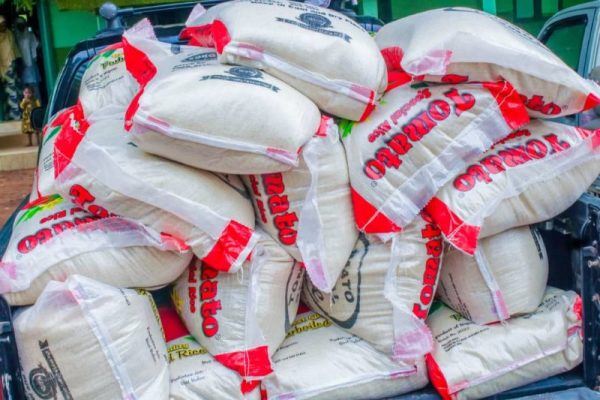
Bags of rice donated to Sokoto orphanage by Zamson Oil and Gas
File photo of bags of rice
Share
Facebook Twitter LinkedIn Pinterest Email

The big gains recorded in the country’s rice industry under the previous administration are being eroded by rising imports, with the country spending N51 billion ($34.4 million) on foreign rice in 2024, according to UN Comtrade data.

Despite gains in rice productivity per unit area under the Buhari administration and the expansion of milling capacity, Nigeria’s local rice remains uncompetitive with imports due to persistently high production costs.

The inability of the country’s rice to compete has also forced farmers to abandon cultivation, resulting in heavy losses. The trend is a challenge for President Bola Tinubu’s plan to boost food production, drive food security, and increase foreign exchange proceeds from non-oil exports.

It is getting costlier to cultivate rice locally and sell at a profitable rate, said Muhammed Augie, former state chairman, Rice Farmers Association, Kebbi chapter.

Augie explained that farmers are struggling to find buyers for their paddy as most millers that sourced from them have shut down their operations, noting that the situation has forced them to switch to the cultivation of other grains, such as sorghum and others.

“Last year, less than 30 percent of rice fields in Kebbi were cultivated,” he said. “Rice farmers are in limbo, and lots of them are abandoning cultivating the grain,” he added.

Ibrahim Salah, a rice farmer and aggregator in Mallam Dori Local Government Area of Jigawa State, told BusinessDay that cultivating rice is no longer profitable for farmers owing to low demand and high input costs.

“The demand for paddy is very low at the moment, and it is not profitable for us,” he said.

The UN Comtrade data also revealed that Benin and Togo spent $705.7 million and $74.4 million, respectively, on foreign rice imports in one year, with much of it likely smuggled into Nigeria through the country’s porous borders.

While exact figures are difficult to track, estimates suggest that the country needs 6 million metric tons of milled rice to meet demand.

According to the Rice Processors Association of Nigeria (RIPAN), the country needs 11 million metric tons of paddy to meet domestic demand, but produces 4.8 million metric tons, leaving a shortfall of 6.2 million metric tons.

The country’s rice milling industry has a processing capacity of 7.5 million metric tons, data from RIFAN showed. The association in a 2023 snapshot report says most millers have a large unutilized capacity and hence huge overheads per unit of capacity utilised, owing to macroeconomic challenges.

Nigeria granted an import waiver for essential goods, including rice, in June last year, easing pressure on food prices. The policy has benefited consumers but squeezed farmers’ margins.

Over 90 rice mills have shut down operations as they are unable to favourbly compete with cheaper imports. Millers are also squeezed by the high-rate of smuggled rice through the country’s porous borders.

Peter Dama, national chairman of Rice Millers Association of Nigeria (RIMAN), said millers cannot compete with cheaper imports owing to high production costs.

“Rice millers cannot ramp up production and compete with cheaper imports with the high cost of paddy, energy costs and interest rates,” he said, noting that over 50 small-scale millers shut down operations last year.

He faulted the federal government’s duty-free import policy for rice exporters, noting that it might lead to the collapse of the local industry.

BusinessDay

Rice rice imports RIPAN
Share. Facebook Twitter Pinterest LinkedIn WhatsApp Reddit Tumblr Email
Editor
  • Website

Related Posts

Who is policing the poison in Nigeria’s food chain?

September 12, 2026

NASC, PIND sign seed partnership

September 12, 2026

Women farmers call for investment in value-added agriculture

September 11, 2026

Leave A Reply Cancel Reply

Two Straits, One Storm: Yemen, Iran, and the Unfinished Arithmetic of Adventurism

September 13, 2026

Gynaecologist seeks stronger primary healthcare to cut maternal deaths

September 13, 2026

Beyond the dance: Lessons from Osun 2026 for Nigeria 2027, by Prof. M.K. Othman

September 13, 2026

Bwari riders decry motorcycle theft, seizures

September 13, 2026
About Us
About Us

ASHENEWS (AsheNewsDaily.com), published by PenPlus Online Media Publishers, is an independent online newspaper. We report development news, especially on Agriculture, Science, Health and Environment as they affect the under-reported rural and urban poor.

We also conduct investigations, especially in the areas of ASHE, as well as other general interests, including corruption, human rights, illicit financial flows, and politics.

Contact Info:
  • 1st floor, Dogon Daji House, No. 5, Maiduguri Road, Sokoto
  • +234(0)7031140009
  • ashenewsdaily@gmail.com
Facebook Twitter Instagram Pinterest
© 2026 All Rights Reserved. ASHENEWS Daily Designed & Managed By DeedsTech

Type above and press Enter to search. Press Esc to cancel.