

• Home
  • Agric
  • Sci & Tech
  • Health
  • Environment
  • Hausa News
  • More
    • Business/Banking & Finance
    • POLITICS
    • Entertainments & Sports
    • International
    • Investigation
    • Law & Human Rights
    • Africa
    • ACCOUNTABILITY/CORRUPTION
    • Hassan Gimba
    • Column
    • Prof. Jibrin Ibrahim
    • Prof. M.K. Othman
    • Defense/Security
    • Education
    • Energy/Electricity
    • Entertainment/Arts & Sports
    • Society and Lifestyle
    • Food & Agriculture
    • Health & Healthy Living
    • International News
    • Interviews
    • Investigation/Fact-Check
    • LAW & HUMAN RIGHTS
    • Oil & Gas/Mineral Resources
    • PRESS FREEDOM/JOURNALISM/PR
    • General News
    • Presidency
  • About Us
    • Contact Us
    • Board Of Advisory
    • Privacy Policy
    • Ethics Policy
    • Teamwork And Collaboration Policy
    • Fact-Checking Policy
    • Advertising
  • Media OutReach Newswire
    • Wire News
  • The Stories
Facebook Twitter Instagram
Trending
  • Association urges investment in Ebonyi rice sector
  • Alake warns against attacks on NSCDC mining marshals
  • For how long will threats of Northerners, Muslims’ eviction from Yoruba land continue?
  • FCTA distributes 48 vein-finding devices to hospitals
  • Niger Assembly approves $14.4m loan to finance Niger Foods
  • Fresh bandits attack leaves 20 persons dead in Sokoto community
  • Court sentences 4 terrorists to death over Owo Church attack
  • Nigeria’s external reserves rise by $1.22bn to $49.58bn in May
Facebook Twitter Instagram YouTube
AsheNewsAsheNews
  • Home
  • Agric

    Niger Assembly approves $14.4m loan to finance Niger Foods

    June 3, 2026

    Expert: Nigerian food products face export challenges

    June 3, 2026

    Agrify, TCF launch AI farming tool in Zuma

    June 3, 2026

    Niger State and AGAN launch private extension initiative to tackle agricultural crisis

    June 2, 2026

    FCT farmers face rainfall, input cost challenges

    June 2, 2026
  • Sci & Tech

    Association urges proper metrics to boost Africa’s innovation

    June 2, 2026

    Airtel Africa tops NGX gains

    June 2, 2026

    FG trains MDA IT administrators on data protection

    June 2, 2026

    Iran–US/Israel war and Nigeria’s education, energy, health, security, economy: Why STEM matters – Dr. Balarabe Shehu Kakale

    May 30, 2026

    Expert warns on poor personal data protection awareness in Nigeria

    May 27, 2026
  • Health

    FCTA distributes 48 vein-finding devices to hospitals

    June 3, 2026

    Nigeria launches new rehabilitation standards

    June 2, 2026

    Enugu urges residents to report illness signs to prevent Ebola

    June 2, 2026

    CS-SUNN launches nutrition budgeting workshop in Kaduna

    June 2, 2026

    Anambra health calls for reports on medical malpractice

    June 2, 2026
  • Environment

    Nasarawa, DPI boost youth engagement on plastic waste

    June 2, 2026

    NEMA flags 178 communities at risk of flooding in Kano

    June 2, 2026

    NUT demands immediate release of abducted teachers, students

    June 2, 2026

    Association marks 10th anniversary with major progress in Ogoniland restoration

    June 2, 2026

    Lagos empowers 5,339 residents, graduates 5,310 in kills programme

    June 1, 2026
  • Hausa News

    Otti plans 250-room 5-star hotel in Umuahia

    April 11, 2026

    Anti-quackery task force seals 4 fake hospitals in Rivers

    August 29, 2025

    [BIDIYO] Yadda na lashe gasa ta duniya a fannin Ingilishi – Rukayya ‘yar shekara 17

    August 6, 2025

    A Saka Baki, A Sasanta Saɓani Tsakanin ‘Yanjarida Da Liman, Daga Muhammad Sajo

    May 21, 2025

    Dan majalisa ya raba kayan miliyoyi a Funtuwa da Dandume

    March 18, 2025
  • More
    1. Business/Banking & Finance
    2. POLITICS
    3. Entertainments & Sports
    4. International
    5. Investigation
    6. Law & Human Rights
    7. Africa
    8. ACCOUNTABILITY/CORRUPTION
    9. Hassan Gimba
    10. Column
    11. Prof. Jibrin Ibrahim
    12. Prof. M.K. Othman
    13. Defense/Security
    14. Education
    15. Energy/Electricity
    16. Entertainment/Arts & Sports
    17. Society and Lifestyle
    18. Food & Agriculture
    19. Health & Healthy Living
    20. International News
    21. Interviews
    22. Investigation/Fact-Check
    23. LAW & HUMAN RIGHTS
    24. Oil & Gas/Mineral Resources
    25. PRESS FREEDOM/JOURNALISM/PR
    26. General News
    27. Presidency
    Featured
    Recent

    Association urges investment in Ebonyi rice sector

    June 3, 2026

    Alake warns against attacks on NSCDC mining marshals

    June 3, 2026

    For how long will threats of Northerners, Muslims’ eviction from Yoruba land continue?

    June 3, 2026
  • About Us
    1. Contact Us
    2. Board Of Advisory
    3. Privacy Policy
    4. Ethics Policy
    5. Teamwork And Collaboration Policy
    6. Fact-Checking Policy
    7. Advertising
    Featured
    Recent

    Association urges investment in Ebonyi rice sector

    June 3, 2026

    Alake warns against attacks on NSCDC mining marshals

    June 3, 2026

    For how long will threats of Northerners, Muslims’ eviction from Yoruba land continue?

    June 3, 2026
  • Media OutReach Newswire
    • Wire News
  • The Stories
AsheNewsAsheNews
Home»Food & Agriculture»How to identify, avoid carbide-ripened fruits
Food & Agriculture

How to identify, avoid carbide-ripened fruits

Abdallah el-KurebeBy Abdallah el-KurebeApril 24, 2024Updated:April 24, 2024No Comments3 Mins Read
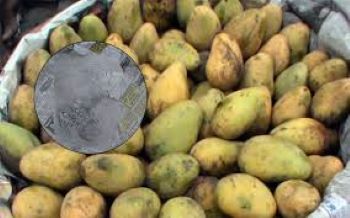
Typical carbide-ripened fruits
Share
Facebook Twitter LinkedIn Pinterest Email

In view of the growing concerns surrounding the health risks associated with carbide-ripened fruits, it has become imperative for consumers to arm themselves with knowledge on how to identify and steer clear of such products.

While regulatory bodies like National Agency for Food and Drug Administration and Control (NAFDAC) are working to curb the proliferation of these hazardous practices, consumers play a crucial role in safeguarding their health and well-being.

By familiarising yourself with the telltale signs of artificial ripening and taking proactive measures to support safe food practices, you empower yourself to make healthier choices for yourself and your family.

Here are some practical tips on recognising and avoiding carbide-ripened products:

ALSO READ Discover health benefits of nutritious tropical fruit, mango

  1. Inspect the appearance: Carbide-ripened fruits often exhibit unnatural characteristics. Look out for fruits that appear overly uniform in colour or lack the natural variations typically seen in ripened fruits. Fruits may also have an artificial sheen or glossiness, indicating potential chemical treatment.
  2. Check for uniform ripening: Unlike naturally ripened fruits, which tend to ripen unevenly, carbide-ripened fruits may exhibit uniform ripening throughout the entire fruit. Pay attention to any signs of accelerated ripening, such as fruits that transition from unripe to fully ripe within a short period.
  3. Assess texture and taste: While visual cues can be helpful, texture and taste can also provide valuable insights. Carbide-ripened fruits may lack the characteristic texture and flavour associated with naturally ripened fruits. Before you even taste at all, please, ensure thorough washing under running water. During purchase; be wary of fruits that feel unnaturally soft or mushy. After purchase, for instance, mangoes that sink in water are naturally ripe. But if you see any mango floating, it could mean that it is chemically ripened.
  4. Smell for unusual odours: Calcium carbide is known for its distinctive garlic-like odour. Take a moment to discreetly smell the fruits you intend to purchase. If you detect any unusual or pungent odours that are not typical of the fruit, it could indicate carbide usage.
  5. Purchase from reputable sources: Whenever possible, buy fruits from reputable vendors and markets known for adhering to quality and safety standards. Establishing a trusted relationship with your local fruit supplier can help ensure the authenticity and freshness of the products you purchase.
  6. Opt for seasonal and local produce: Seasonal and locally-grown fruits are less likely to be subjected to artificial ripening practices. By choosing fruits that are in season and sourced locally, you reduce the risk of encountering carbide-ripened products. Also, if the fruits are available before season, it could mean they are artificially-ripened. Washing and peeling the fruits before eating can minimise the risks of calcium carbide.
  7. Ask questions: Don’t hesitate to inquire about the ripening practices employed by a regular vendor. Ask whether the fruits have been artificially ripened and if any chemicals, including carbide, have been used in the process. Vendors committed to transparency and consumer safety will readily provide this information.
  8. Strictly buy unripe plantain and banana: You can opt for buying your plantain and banana green then using a natural method to ripen them towards the time you would be ready to eat them. Same process applies to banana, as an artificially-ripened fruit will be yellow while the stem will be dark green. The fruits would also have lesser flavour and have shorter shelf-life.

By FarmingFarmersFarm

carbide-ripened fruits Health and Healthy living NAFDAC
Share. Facebook Twitter Pinterest LinkedIn WhatsApp Reddit Tumblr Email
Abdallah el-Kurebe
  • Website
  • Facebook
  • Twitter
  • LinkedIn

Related Posts

FCTA distributes 48 vein-finding devices to hospitals

June 3, 2026

Niger Assembly approves $14.4m loan to finance Niger Foods

June 3, 2026

Expert: Nigerian food products face export challenges

June 3, 2026

Leave A Reply Cancel Reply

Association urges investment in Ebonyi rice sector

June 3, 2026

Alake warns against attacks on NSCDC mining marshals

June 3, 2026

For how long will threats of Northerners, Muslims’ eviction from Yoruba land continue?

June 3, 2026

FCTA distributes 48 vein-finding devices to hospitals

June 3, 2026
About Us
About Us

ASHENEWS (AsheNewsDaily.com), published by PenPlus Online Media Publishers, is an independent online newspaper. We report development news, especially on Agriculture, Science, Health and Environment as they affect the under-reported rural and urban poor.

We also conduct investigations, especially in the areas of ASHE, as well as other general interests, including corruption, human rights, illicit financial flows, and politics.

Contact Info:
  • 1st floor, Dogon Daji House, No. 5, Maiduguri Road, Sokoto
  • +234(0)7031140009
  • ashenewsdaily@gmail.com
Facebook Twitter Instagram Pinterest
© 2026 All Rights Reserved. ASHENEWS Daily Designed & Managed By DeedsTech

Type above and press Enter to search. Press Esc to cancel.