


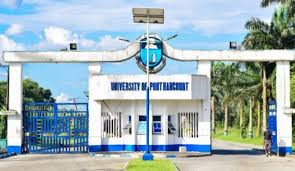
A lecturer at the University of Port Harcourt, Prof. Ibibia Worika, has called for stronger implementation of legal and policy frameworks to address conflicts and environmental challenges in the Niger Delta region.
Worika, a Professor of Comparative Petroleum and International Environmental Law and Policy, and Director of the university’s Centre for Advanced Law Research, Faculty of Law, made the call during a stakeholders’ workshop on Wednesday in Port Harcourt.
The workshop, themed “Building Peace in the Fire,” aimed to promote dialogue and enhance the utilization of legal and policy provisions designed to combat extractive industry-related conflicts in the Niger Delta.
Worika presented a paper titled “Addressing the Challenges of Hydrocarbon Mining and Related Conflicts: Towards Promoting Rights-Based Actions for Combating Climate Change in Rivers State.”
He noted that pollution and environmental degradation in the region were widespread and well documented. Workshop discussions focused on Nigerian and international legal frameworks that balance oil extraction with environmental responsibility and human rights.
Worika explained that although Nigeria’s Constitution does not expressly provide enforceable environmental rights, the domesticated African Charter on Human and Peoples’ Rights contains provisions on environmental rights that courts can enforce when necessary.
He urged multinational oil companies—mostly from OECD member countries—operating in the region to comply with international norms, including the OECD Guidelines and the UN Guiding Principles on Business and Human Rights. “These companies should internalize biodiversity safety measures and other international standards in their operations in the Niger Delta,” he said.
The professor called on the Federal Government to establish an environmental remediation trust fund for the broader Niger Delta, similar to the Hydrocarbon Pollution Remediation Project (HYPREP) for Ogoniland. He pointed out that while $1 billion has been earmarked over 25–30 years for the Ogoni clean-up, other affected areas require comparable intervention.
READ ALSO: JEI commends Tinubu on climate awareness tour
Worika further advocated effective implementation of the Host Community Development Trust provisions under the Petroleum Industry Act (PIA), with minimal political interference, equitable representation, transparency, and accountability. He stressed that communities should be fully informed about membership criteria and project implementation processes.
On Ogoniland remediation, he called for greater community engagement and inclusiveness in planning and execution. “I would like to see greater community engagement, especially in cases where agencies decide how and where to intervene without adequate consultation with those affected. That is certainly not a good approach,” Worika said.
He emphasized that communities most impacted by environmental degradation should be included at the planning and design stages and integrated into implementation. While technical aspects require specialized expertise, he said local residents can handle less technical tasks—such as sand removal and soil excavation—thereby enhancing ownership and empowerment.
The President of the Movement for the Survival of the Ogoni People (MOSOP), Mr Olu-Andah Wai-Ogosu, attributed rising youth restiveness and communal conflicts in Ogoni to poor mentorship and leadership failures. “Our youths today are so much in a hurry. They don’t take time to understand issues before taking sides. They are easily swayed by short-term benefits and often fall prey to politicians,” he said.
He added that crises in traditional and political leadership had fueled conflicts and urged parents and community leaders to instil discipline and moral values in young people to promote sustainable peace and development in the Niger Delta.
The workshop was organized by the Habitat Protection and Sustainable Development Initiative in collaboration with the Centre for Advanced Law Research, Rivers State University.
This version removes redundancy, fixes minor grammatical issues (e.g., awkward phrasing, missing articles, tense consistency), improves sentence flow, and ensures a professional, concise tone while preserving all key facts, quotes, and meaning.
